Poisons

Sweets and digestive discomfort explained

Sweets and Diarrhea: First Aid Awareness and Digestive Comfort in Canada

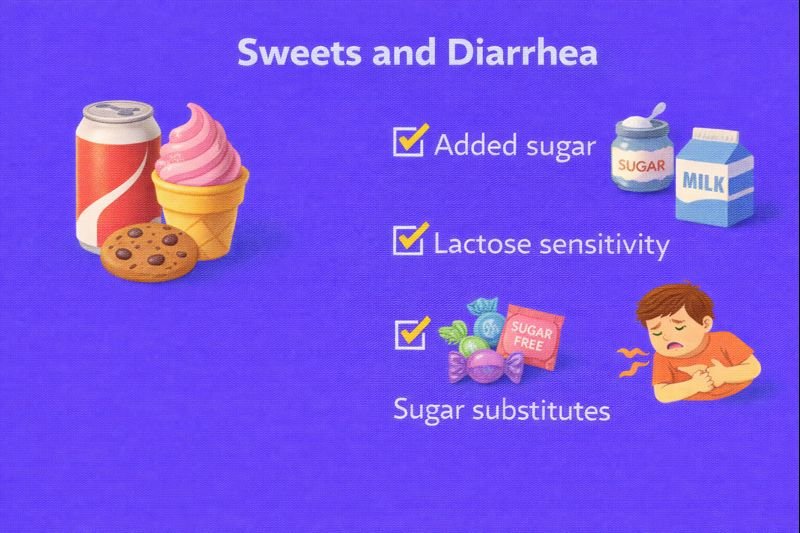
How Can Sweets Affect Digestion? Diarrhea can be uncomfortable and disruptive. For some people, large amounts of added sugars or sweeteners—such as table sugar, high-fructose corn syrup, or certain sugar substitutes—can irritate the digestive system and lead to loose stools. Not everyone is affected the same way, but noticing personal triggers can help reduce repeat […]

Sweets and Diarrhea: First Aid Awareness and Digestive Comfort in Canada Read More »
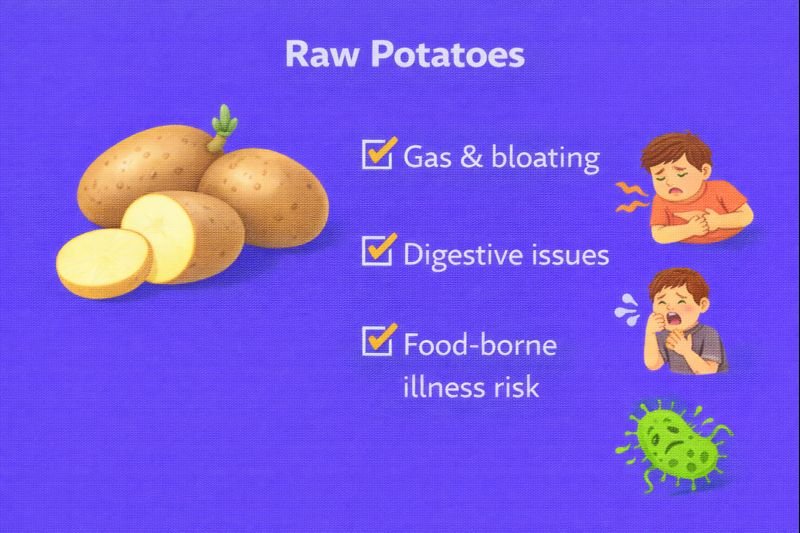
Raw potatoes and health risks infographic

Raw Potatoes: Food Safety Awareness and First Aid Considerations in Canada

Can Potatoes Be Eaten Raw? Potatoes are commonly enjoyed baked, boiled, or roasted in Canadian kitchens. While they can technically be eaten raw, many people avoid doing so because raw potatoes are hard to digest and may cause stomach discomfort. Cooking changes the texture and improves digestibility, making potatoes easier on the body. Why Awareness

Raw Potatoes: Food Safety Awareness and First Aid Considerations in Canada Read More »

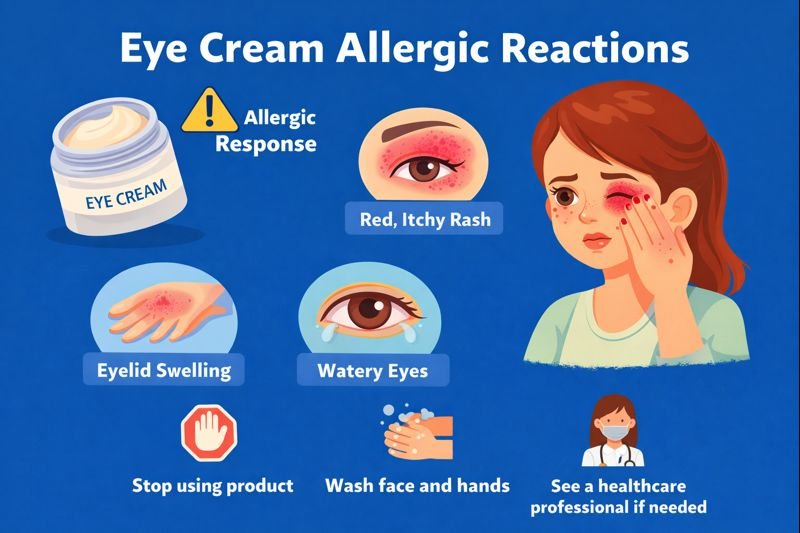
Eye cream allergic reaction infographic

Eye Cream Allergic Reactions: Symptoms, First Aid Awareness, and Prevention in Canada

What Is an Eye Cream Allergic Reaction? Some eye creams and cosmetic products contain fragrances, preservatives, and other chemical compounds that give them their scent, colour, or texture. In sensitive individuals, these ingredients can trigger contact dermatitis, a type of skin irritation or allergic response that affects the outer layers of the skin. Reactions can

Eye Cream Allergic Reactions: Symptoms, First Aid Awareness, and Prevention in Canada Read More »

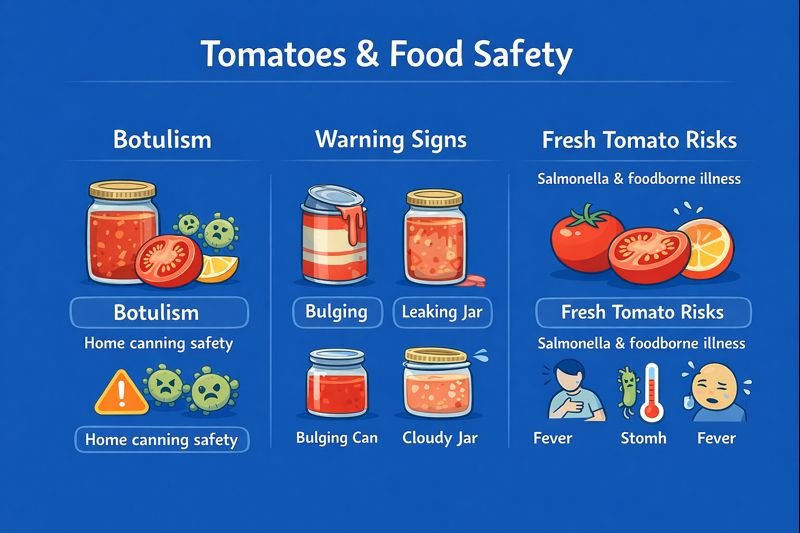
Tomato safety tips and risks

Tomatoes, Food Safety & Botulism Awareness

Food safety concerns with tomatoesFresh tomatoes are safe to eat for most people, but—like many fresh fruits and vegetables—they can become contaminated with pathogens such as E. coli or Salmonella during farming, handling, or preparation. Historical outbreaks originally linked to tomatoes have later been traced to other produce, highlighting how complex foodborne illness investigations can

Tomatoes, Food Safety & Botulism Awareness Read More »

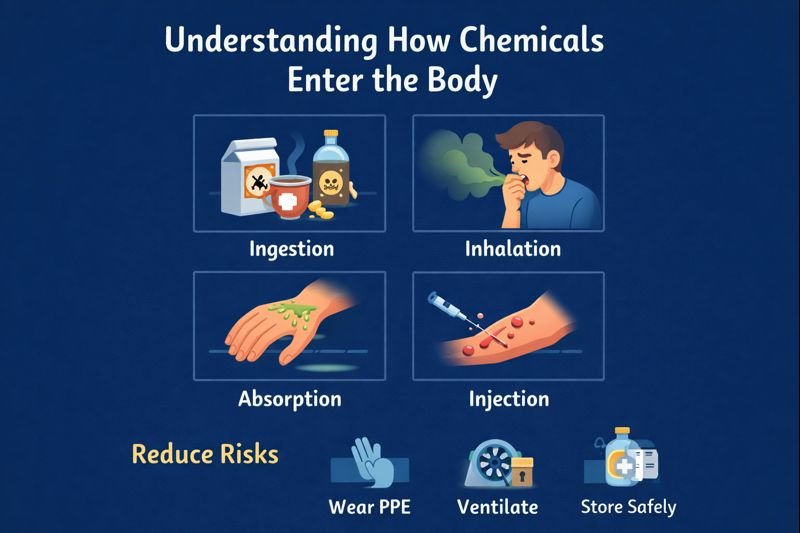
Chemical entry routes into the body

How Chemicals Enter the Body: Workplace & Home Safety Awareness

Whether at home or in the workplace, hazardous chemicals can pose health risks. Understanding how chemicals enter the body helps people prevent exposure and respond appropriately to safety information. Chemicals typically enter the body through four main routes: ingestion, inhalation, absorption, and injection. Why This Matters in Workplaces (Canada) Many Canadian employers handle chemicals as

How Chemicals Enter the Body: Workplace & Home Safety Awareness Read More »

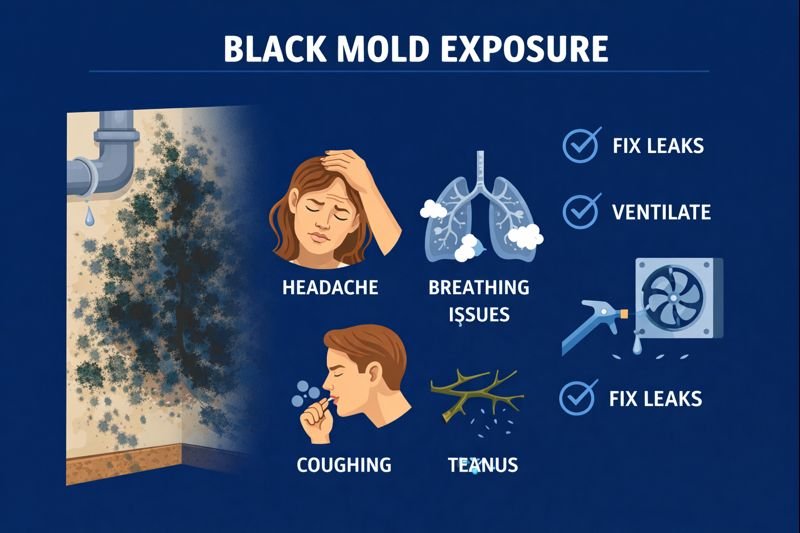
Black mold exposure and prevention guide

Black Mold Exposure: Symptoms, Risks & Prevention Awareness (Canada)

What Is “Black Mold”? Black mold refers to certain mould species that thrive in damp, cellulose-containing materials such as wood and drywall. While many moulds can appear dark, the term “black mold” often refers to strains with a greenish-black appearance. In Canada, mould growth is generally associated with moisture problems in homes, workplaces, and indoor

Black Mold Exposure: Symptoms, Risks & Prevention Awareness (Canada) Read More »

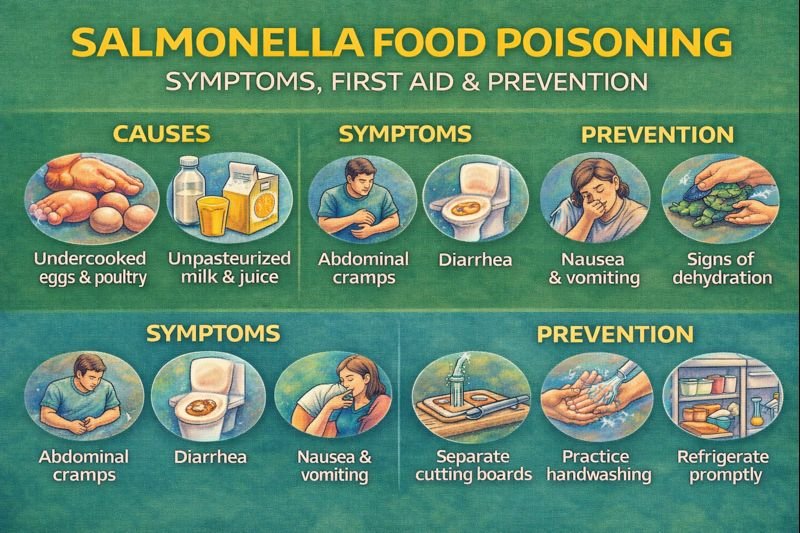
Salmonella food poisoning infographic

Salmonella food poisoning

Salmonella food poisoning is an infection of the small intestine caused by bacteria from the Salmonella family. It is one of the most common causes of food-borne illness and can affect children and adults. Because many cases occur from contaminated food during warm weather or in busy kitchens, it is relevant both at home and

Salmonella food poisoning Read More »

Shopping Cart
Scroll to Top