A seizure can be frightening to witness, but staying calm and knowing what to do can prevent serious injury. Most seizures are short-lived and do not last longer than 60–90 seconds, even though they may feel much longer in the moment.
If you are assisting someone who is having a seizure, your role is to protect them from harm, not to stop the seizure itself.
🚨 Call 911 immediately in Canada if:
- The seizure lasts longer than 5 minutes
- Another seizure starts without recovery
- The person is pregnant
- The person is injured, has trouble breathing, or does not regain consciousness
- This is their first known seizure
What Is a Seizure?
A seizure is a sudden disruption of electrical activity in the brain that can temporarily affect:
- Muscle control
- Movement or balance
- Speech or awareness
- Vision
- Consciousness
Some seizures cause full-body shaking (convulsive seizures), while others may involve staring, confusion, or brief loss of awareness.
Seizures vary widely in severity and presentation, and not all seizures mean someone has epilepsy.
How to Help Someone During a Seizure
Your priority is injury prevention.
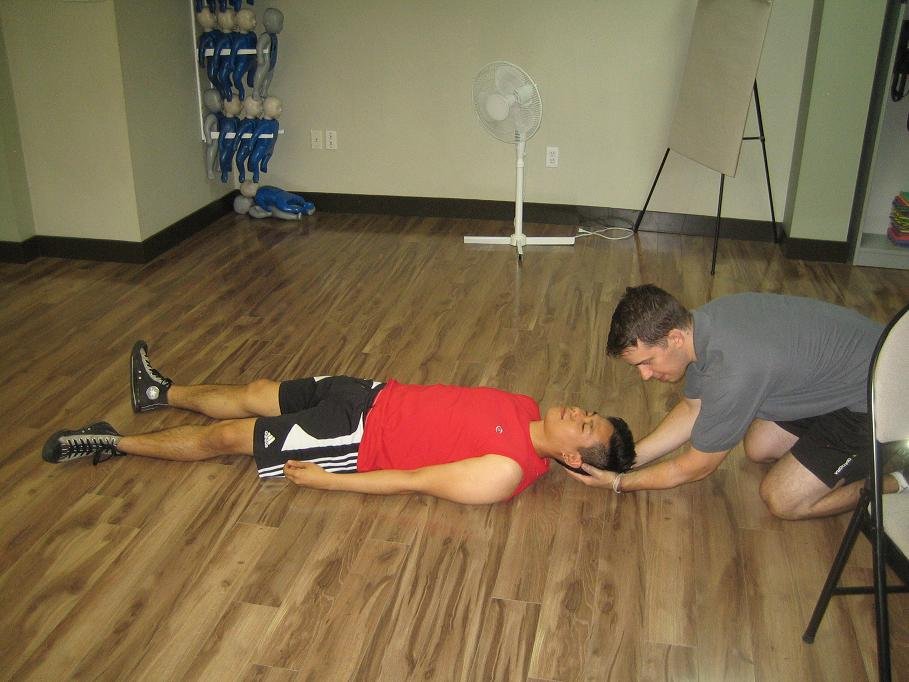
During the seizure:
- Stay calm and note the time the seizure starts
- Guide the person gently to the ground if they are standing
- Clear the area of furniture or sharp objects
- Place something soft under their head
- Turn them onto their side if possible to allow saliva or vomit to drain
- Loosen tight clothing around the neck
🚫 Do NOT:
- Put anything in their mouth
- Hold them down or restrain movement
- Attempt to give food, drink, or medication
- Perform CPR unless breathing stops after the seizure ends
Helping After the Seizure Ends
Once the seizure stops, the person may be confused, drowsy, or embarrassed. This is called the postictal phase.
Aftercare steps:
- Check for injuries
- Keep them on their side if they are not fully alert
- Clear the mouth gently only if breathing is obstructed
- Provide a quiet, safe space to rest
- Stay with them until they are fully awake and oriented
- Reassure them calmly and explain what happened
Do not offer food or drink until the person is fully alert and able to swallow safely.
Why Seizure First Aid Training Matters in Canada
Seizures can happen anywhere — at work, school, public spaces, or at home. Knowing the correct response:
- Reduces the risk of head injury and airway obstruction
- Helps you recognize medical emergencies
- Builds confidence when responding to sudden medical events
This knowledge is a core component of Canadian first aid and CPR training.
More Information / Disclaimer
The information posted on this page on a seizure is for learning purposes only. Learn to recognize and manage seizures by taking a St Mark James Training first aid course with one of our training providers.
About The Author

Mark Kascha
Certified First Aid Instructor Trainer with 30+ years of real-world experience, including lifeguarding, workplace emergency response, and first aid program development across Canada. Has worked with WorkSafeBC, WSIB, and Manitoba Health.
👉 [View full credentials]🔗 View LinkedIn Profile
Last reviewed: March 2026