Joint Injuries

Swimmer Shoulder

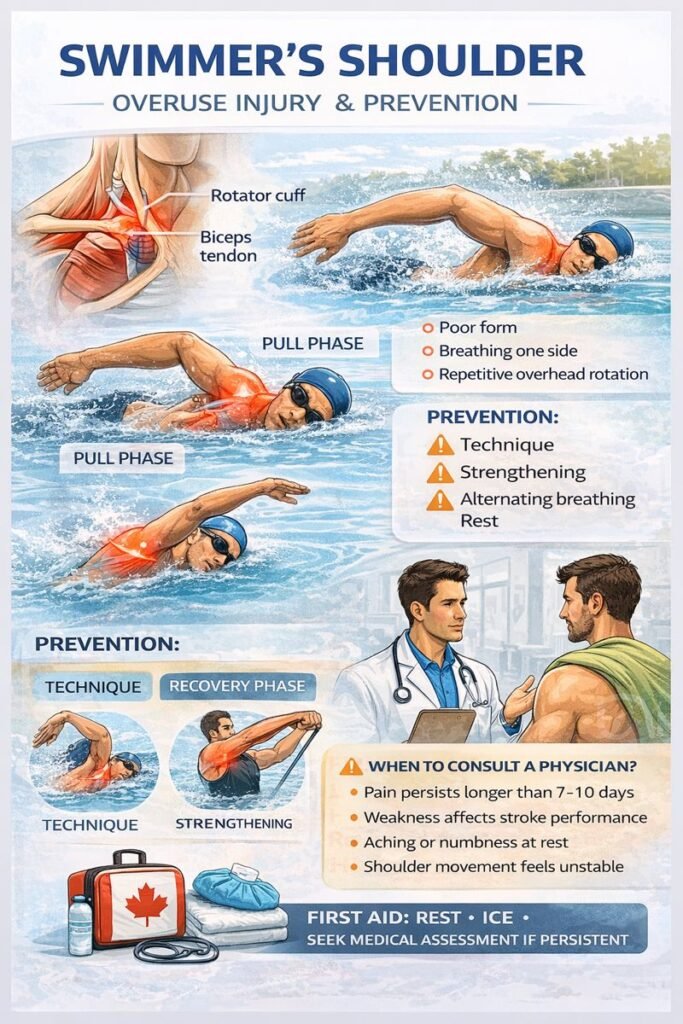
Swimming & Shoulder Pain: Understanding “Swimmer’s Shoulder” & When to Seek Help

  Swimming is an excellent low-impact fitness activity, but it can place significant stress on the shoulders due to repetitive overhead movement. The shoulder is one of the most mobile joints in the body, which makes swimmers vulnerable to fatigue-related strain, overuse injuries, and mobility limitations. What Causes “Swimmer’s Shoulder”? “Swimmer’s Shoulder” refers to irritation […]

Swimming & Shoulder Pain: Understanding “Swimmer’s Shoulder” & When to Seek Help Read More »
Hip Arthritis signs and symptoms

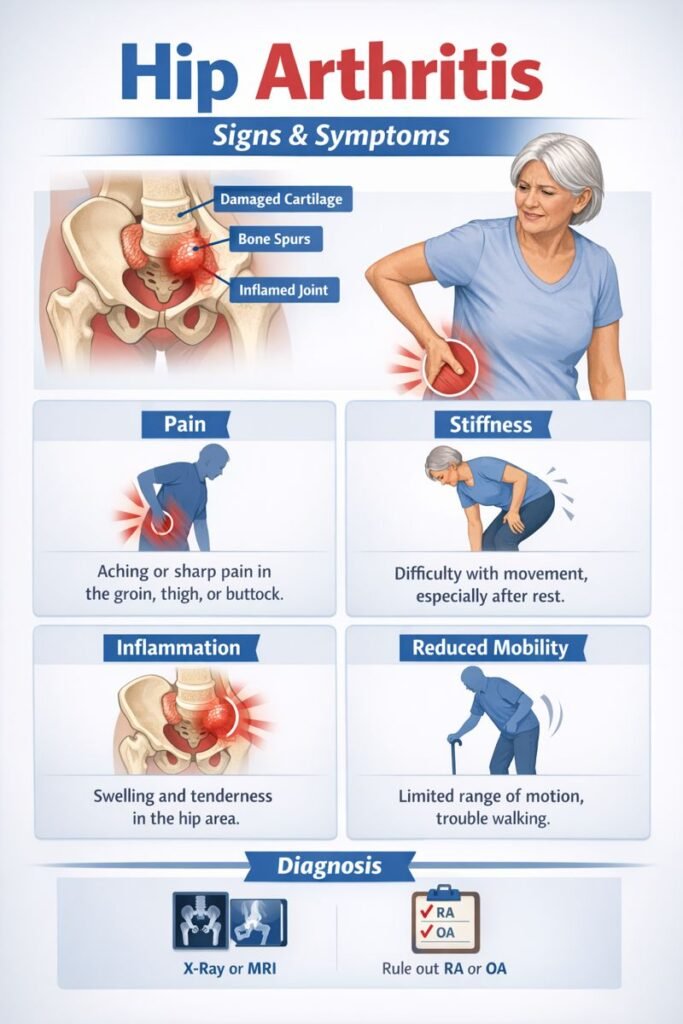
Understanding Hip Arthritis: Symptoms & When to Seek Care (Canada)

Understanding Hip Arthritis: Symptoms & When to Seek Care (Canada) Hip pain paired with stiffness often suggests hip arthritis. For many Canadians, this discomfort interferes with normal daily movements like walking, climbing stairs, getting in/out of a vehicle, or performing work tasks that demand mobility. Because hip pain can also stem from tendon irritation, ligament

Understanding Hip Arthritis: Symptoms & When to Seek Care (Canada) Read More »

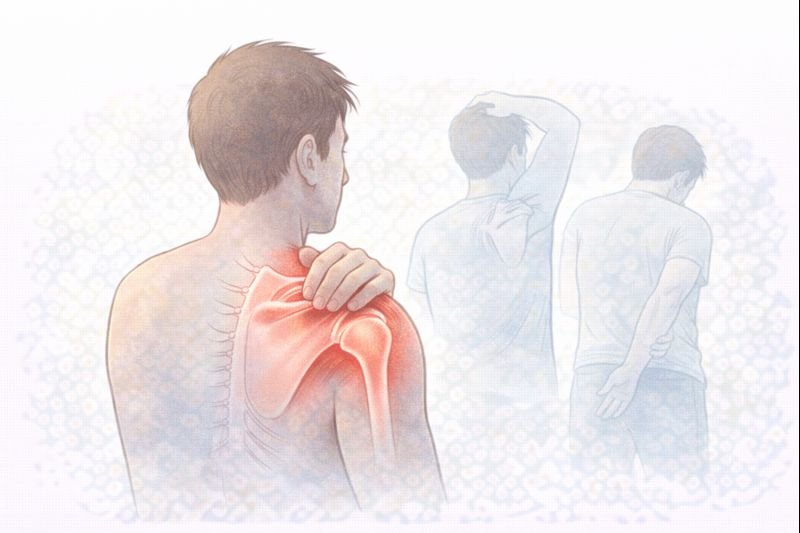
Shoulder inflammation and limited mobility

Frozen Shoulder (Adhesive Capsulitis): What Canadians Should Know

A frozen shoulder causes pain, limited movement, and gradual stiffness in the joint. The condition progresses slowly and can take months to years to fully resolve. People typically experience shoulder pain for several months, followed by increasing stiffness. Daily tasks such as dressing, reaching overhead, driving, or lifting objects may become difficult. In more advanced

Frozen Shoulder (Adhesive Capsulitis): What Canadians Should Know Read More »

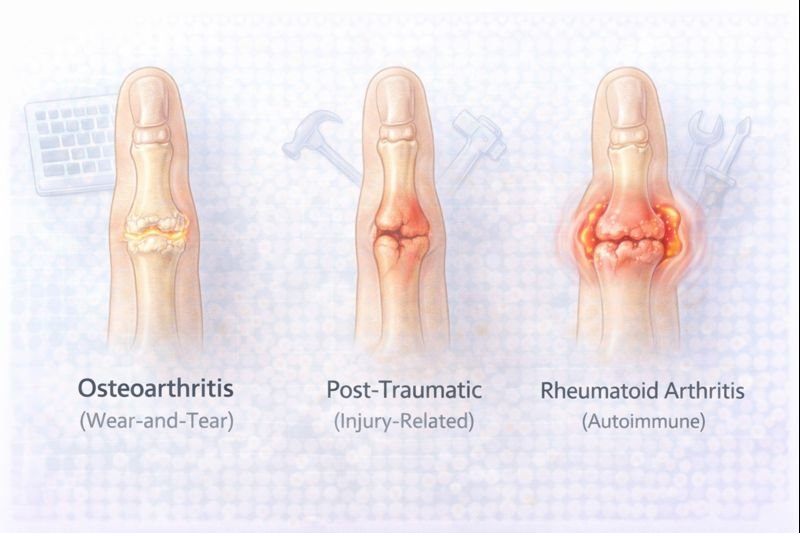
Causes of finger arthritis explained

Finger Arthritis and Everyday Function

Finger arthritis can make simple movements—typing, opening jars, using tools, or writing—uncomfortable and limiting. The condition involves inflammation inside the finger joints, leading to pain, swelling, stiffness, and reduced mobility. These symptoms can affect daily living at home and at work, and may slow down recovery if not managed early. Learning disclaimer: This information is

Finger Arthritis and Everyday Function Read More »

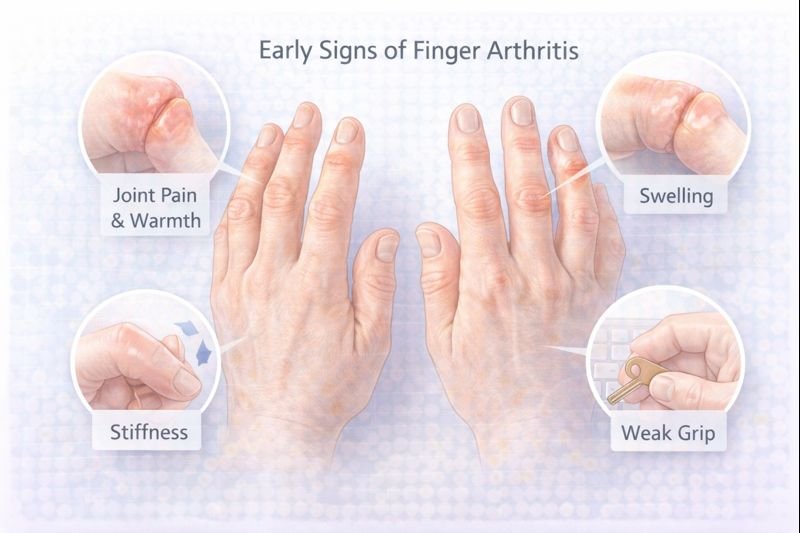
Early signs of finger arthritis

Finger Arthritis (Early Signs & How It Affects Daily Activities)

Finger arthritis can significantly affect day-to-day function at home, at work, and in recreational activities. For many Canadians, early symptoms start subtly — making simple tasks like typing, gripping small objects, or opening jars more difficult over time. There are two main types of arthritis that commonly affect the fingers: Osteoarthritis (OA): Due to gradual

Finger Arthritis (Early Signs & How It Affects Daily Activities) Read More »

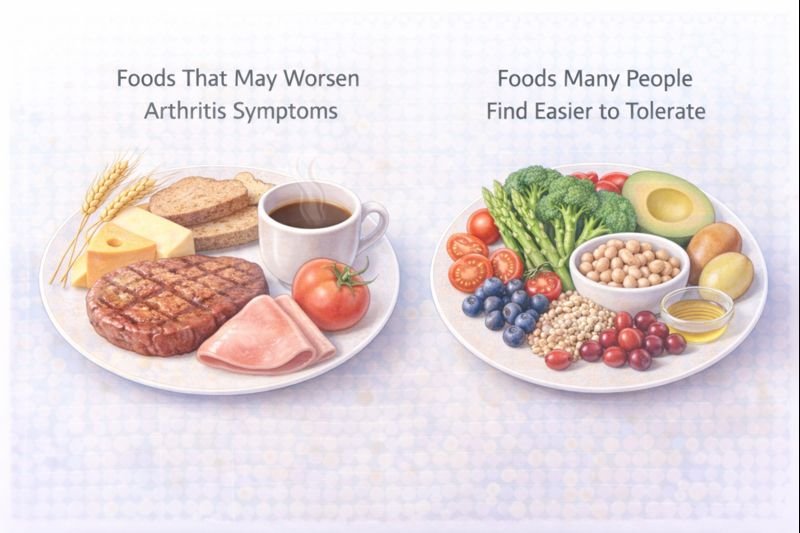
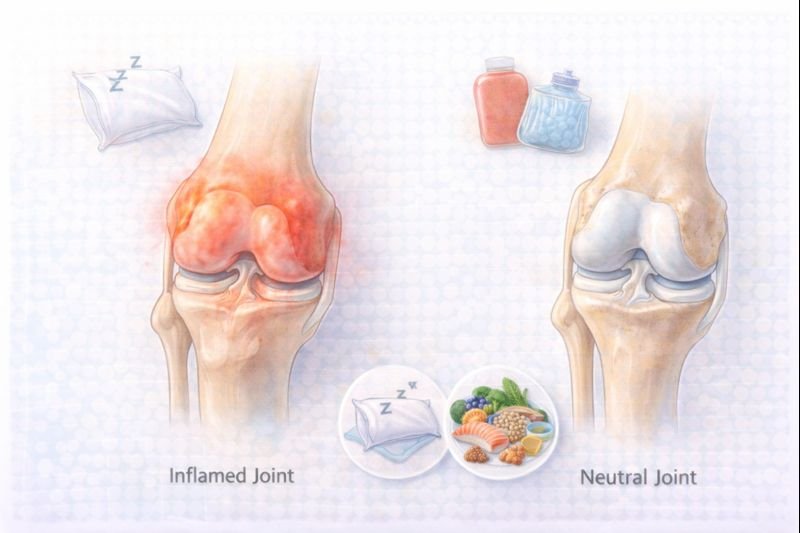
Comparing foods for arthritis relief

Diet & Arthritis: How Foods May Influence Joint Symptoms (Canadian Overview)

Arthritis is one of the most common chronic conditions affecting adults in Canada. Symptoms such as joint pain, swelling, stiffness, and fatigue can interfere with mobility, work tasks, recreation, and everyday activities. Although arthritis cannot be cured through diet alone, evidence suggests that certain foods may contribute to flare-ups for some individuals while others may

Diet & Arthritis: How Foods May Influence Joint Symptoms (Canadian Overview) Read More »

Greenstick fracture and first aid steps

Greenstick Fractures in Children: Causes, Symptoms & First Aid Guidance (Canada)

Greenstick fractures are a partial break in a bone, and are seen almost exclusively in children. Because children have softer, more flexible bones than adults, their bones are more likely to bend or splinter instead of fully breaking. This is comparable to bending a fresh tree branch — it cracks, but does not snap entirely.

Greenstick Fractures in Children: Causes, Symptoms & First Aid Guidance (Canada) Read More »

Tennis elbow symptoms and impacts

Elbow Tendonitis (Tennis Elbow): Symptoms and Functional Impact

Elbow tendonitis — often called tennis elbow — involves irritation or overuse of the tendons that attach the forearm muscles to the elbow. Although commonly associated with sports like tennis or golf, many Canadians develop tendonitis from everyday tasks such as gardening, carpentry, repetitive computer work, or lifting. Adults between the ages of 30–50 tend

Elbow Tendonitis (Tennis Elbow): Symptoms and Functional Impact Read More »

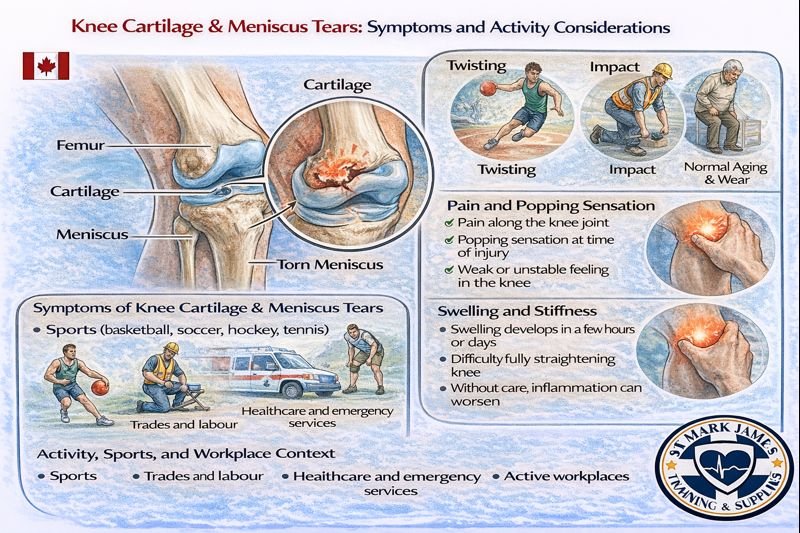
Knee cartilage tears and symptoms guide

Knee Cartilage & Meniscus Tears: Symptoms and Activity Considerations

The knee is one of the most commonly injured joints, especially in activities that involve running, jumping, rapid changes in direction, twisting, or stop-and-start movements. Cartilage covers the ends of bones inside the knee, helping them glide smoothly. The meniscus sits between the bones and acts as a shock absorber that protects the joint from

Knee Cartilage & Meniscus Tears: Symptoms and Activity Considerations Read More »

Shopping Cart
Scroll to Top