Joint Injuries

Metacarpal Fracture: Causes, Symptoms, Diagnosis, and First Aid

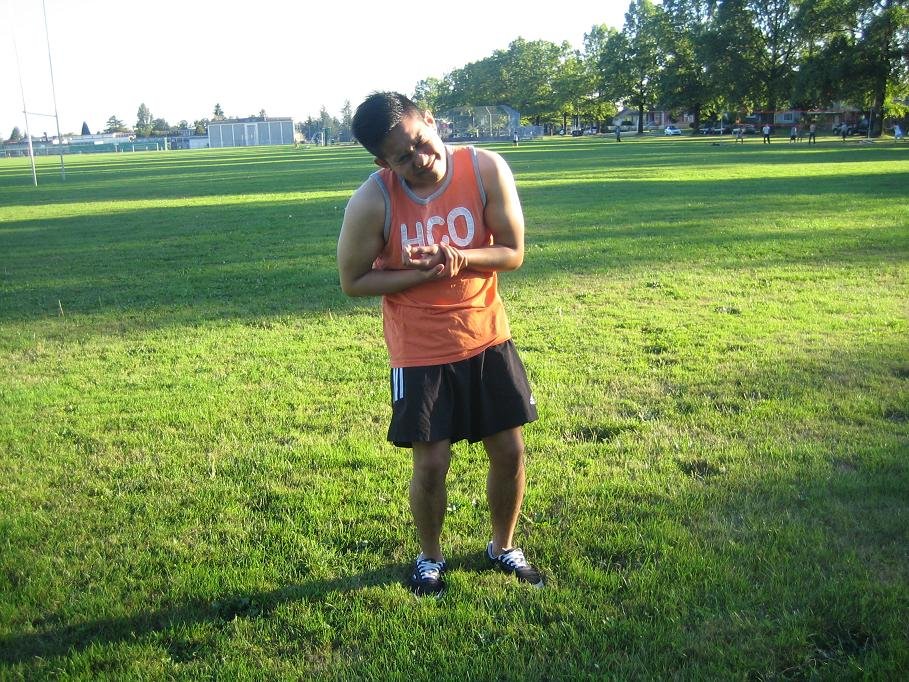
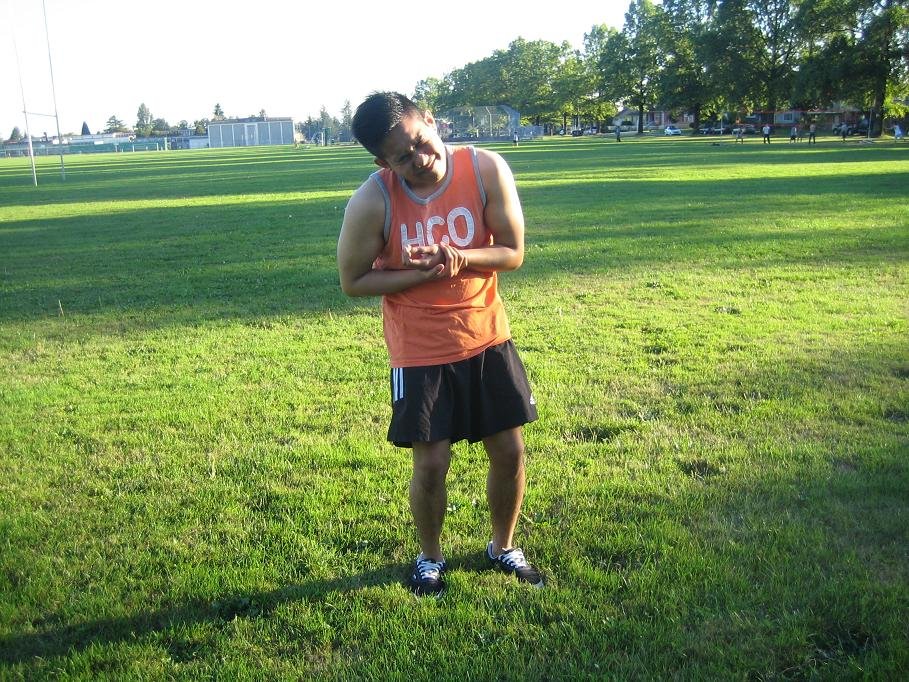
Metacarpal Fracture: Causes, Symptoms, Diagnosis, and First Aid   A metacarpal fracture involves a break in one of the long, tubular bones of the hand that connect the wrist to the fingers. Each finger (digit) has a corresponding metacarpal bone, and any of these bones can be fractured during a high-energy impact. Metacarpal fractures are […]

Metacarpal Fracture: Causes, Symptoms, Diagnosis, and First Aid Read More »
Splint Care and Injury Support: First Aid Guidance for Canadians

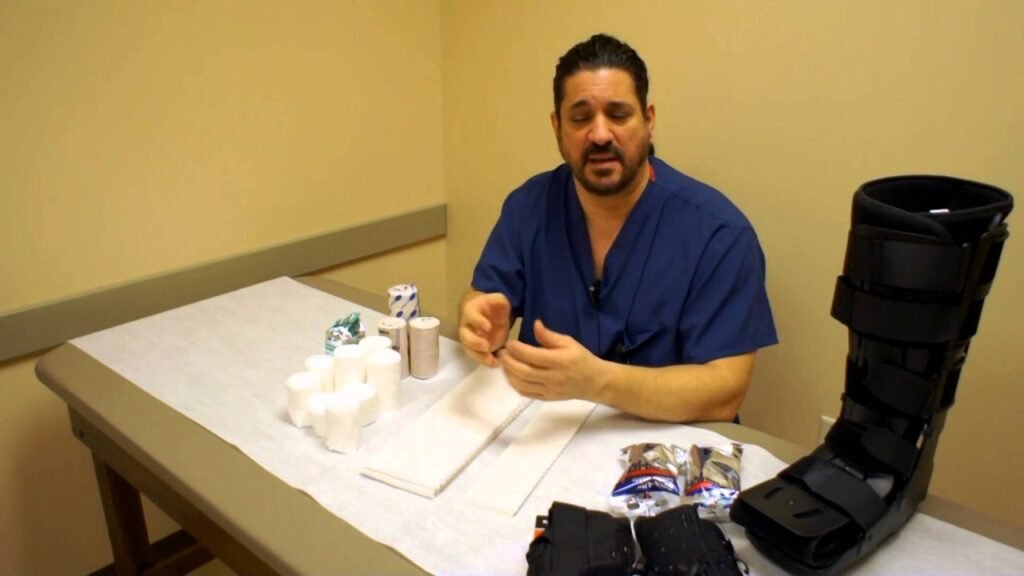
Splint Care and Injury Support: First Aid Guidance for Canadians   A splint is used to protect and stabilize a fracture, sprain, or other musculoskeletal injury by limiting movement and reducing pain while healing begins. In Canada, splinting is a core skill taught in Basic, Intermediate, and Advanced First Aid courses, particularly for workplace safety,

Splint Care and Injury Support: First Aid Guidance for Canadians Read More »

Dislocated Shoulder: First Aid Response, Treatment, and Recovery

Dislocated Shoulder: First Aid Response, Treatment, and Recovery   A dislocated shoulder most commonly occurs after falling onto an outstretched arm. In this injury, the ball of the upper arm bone (humerus) is forced out of the shoulder socket. Once properly treated and restored into place, recovery usually takes 12–16 weeks, depending on severity. The

Dislocated Shoulder: First Aid Response, Treatment, and Recovery Read More »

Knee Dislocations: Recognition, Emergency Care, and Recovery (Canada)

Knee Dislocations: Recognition, Emergency Care, and Recovery (Canada)   A knee dislocation occurs when the end of the femur (thighbone) is no longer aligned with the tibia (shinbone). This is a serious medical emergency that requires immediate assessment in a hospital setting, as it can damage major blood vessels and nerves in the leg. In

Knee Dislocations: Recognition, Emergency Care, and Recovery (Canada) Read More »

Artificial Joint Infections: Causes, Symptoms, and Treatment

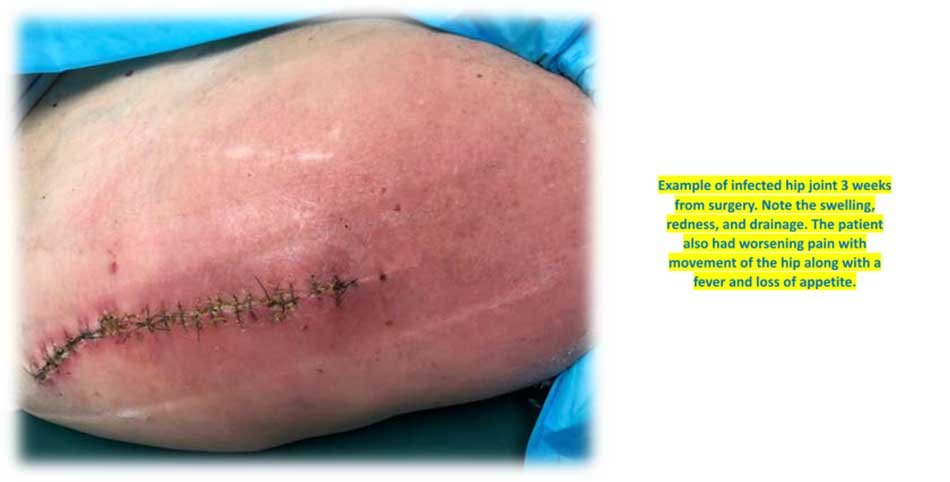
Artificial Joint Infections: Causes, Symptoms, and Treatment An artificial joint can become infected when bacteria enter the body during or after joint replacement surgery. In some cases, these infections can be prevented by taking antibiotics before certain medical or dental procedures. Once an artificial joint becomes infected, treatment is often complex and may require joint

Artificial Joint Infections: Causes, Symptoms, and Treatment Read More »

Psoriatic Arthritis: Joint Inflammation Linked to Psoriasis

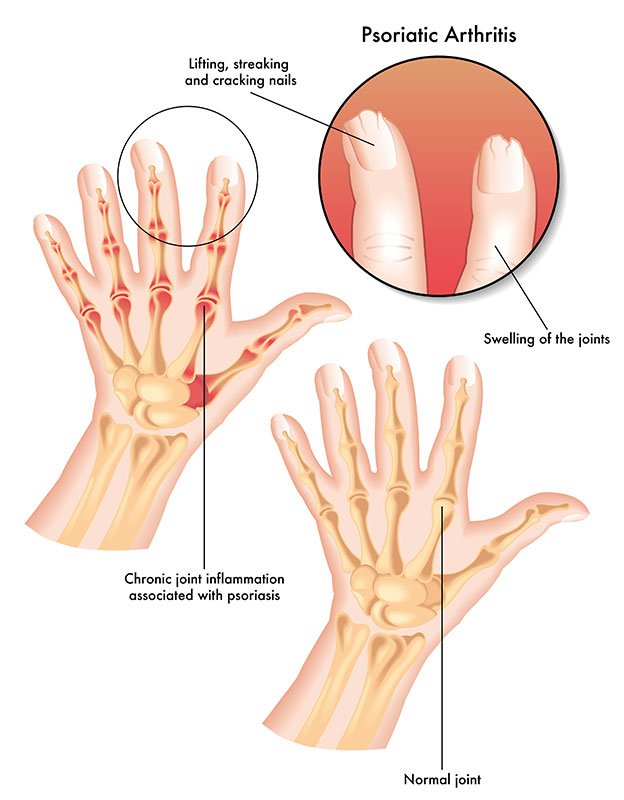
Psoriatic Arthritis: Joint Inflammation Linked to Psoriasis   Psoriatic arthritis is a chronic inflammatory joint condition that develops in some individuals who have psoriasis affecting the skin or nails. The joints most commonly affected include the knees, hips, spine, and the joints closest to the tips of the fingers and toes. Although psoriatic arthritis closely

Psoriatic Arthritis: Joint Inflammation Linked to Psoriasis Read More »

Meniscus Tear: Causes, Symptoms, and First Aid Considerations

Meniscus Tear: Causes, Symptoms, and First Aid Considerations A meniscus tear is a common knee injury, particularly among athletes involved in sports that require sudden pivoting, twisting, or direct contact—such as football, basketball, soccer, and tennis. In Canada, meniscus injuries are frequently seen in sports, recreation, and workplace settings that involve physical exertion. The meniscus

Meniscus Tear: Causes, Symptoms, and First Aid Considerations Read More »

Big Toe Arthritis: First Aid Awareness, Mobility Risks, and Workplace Safety in Canada

Big Toe Arthritis: First Aid Awareness, Mobility Risks, and Workplace Safety in Canada Big toe arthritis—often called arthritis of the first metatarsophalangeal joint—is a progressive condition that can significantly affect walking, balance, and weight-bearing. It develops when the smooth cartilage in the joint wears down and bone spurs form, leading to stiffness, pain, and reduced

Big Toe Arthritis: First Aid Awareness, Mobility Risks, and Workplace Safety in Canada Read More »

Big Toe Pain: First Aid Awareness, Mobility Risks, and Workplace Safety in Canada

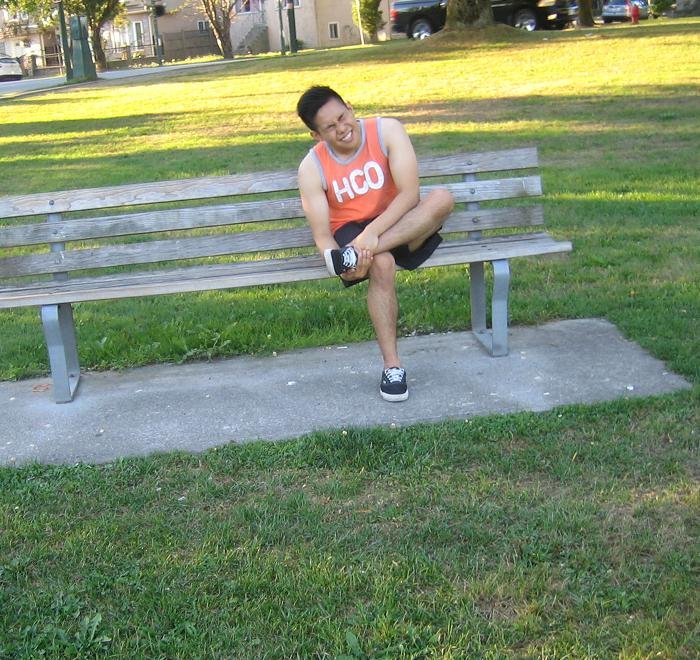
Big Toe Pain: First Aid Awareness, Mobility Risks, and Workplace Safety in Canada Big toe pain can make even simple movements uncomfortable. The first metatarsophalangeal (MTP) joint connects the big toe to the forefoot and plays a major role in balance, walking, and weight transfer. Although small, this joint absorbs significant force with every step.

Big Toe Pain: First Aid Awareness, Mobility Risks, and Workplace Safety in Canada Read More »

Carpal Tunnel Syndrome and Keyboard Use: First Aid and Workplace Safety Awareness in Canada

Carpal Tunnel Syndrome and Keyboard Use: First Aid and Workplace Safety Awareness in Canada   Carpal tunnel syndrome (CTS) is often blamed on keyboard use, especially in office-based jobs. While many people with CTS associate their symptoms with typing, research has not clearly proven that keyboard use causes carpal tunnel syndrome. What is clear is

Carpal Tunnel Syndrome and Keyboard Use: First Aid and Workplace Safety Awareness in Canada Read More »

Shopping Cart
Scroll to Top