
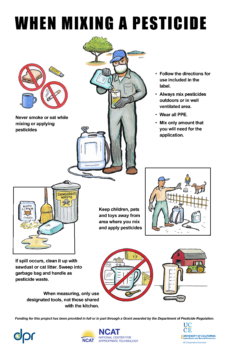
Serious cases of insecticide poisoning are most often caused by organophosphate and carbamate insecticides. These substances are highly toxic and can be fatal to humans, particularly in cases of intentional exposure or improper handling. In Canada, insecticide exposure is most commonly associated with agricultural work, pest control, industrial settings, and accidental household misuse.
Because of their dangerous effects on the nervous system, insecticides are a major focus in workplace safety training and first aid education.
Common Types of Insecticides
Organophosphates
Examples include parathion, malathion, chlorpyrifos (Dursban), and compounds related to nerve agents such as sarin. These chemicals disrupt normal nerve signaling and can cause rapid organ failure.
Carbamates
Examples include carbaryl, fenobucarb, and carbofuran. These affect the nervous system in a similar way but usually for a shorter duration.
Pyrethrins and Pyrethroids
Derived from chrysanthemum flowers, these are commonly used in Canadian households and agriculture. They are generally less toxic to humans, though they may trigger allergic reactions or respiratory irritation in sensitive individuals.
How Insecticide Poisoning Occurs
Insecticides can enter the body through:
-
Ingestion
-
Inhalation
-
Skin absorption
Some insecticides are odourless, meaning exposure may go unnoticed until symptoms appear. Both organophosphates and carbamates cause continuous nerve stimulation, leading to overstimulation of organs followed by system failure if untreated.
Signs and Symptoms of Insecticide Poisoning
Exposure to organophosphate or carbamate insecticides may cause:
-
Blurred vision
-
Excessive eye tearing
-
Drooling or excessive salivation
-
Persistent coughing
-
Heavy sweating
-
Vomiting
-
Frequent urination or bowel movements
-
Low blood pressure
-
Weak or irregular heart rate
-
Shortness of breath
-
Muscle weakness or paralysis (can be fatal)
Symptoms may last hours to days after carbamate exposure, while organophosphate-related weakness can persist for weeks.
Pyrethrin exposure may cause:
-
Sneezing
-
Eye irritation
-
Coughing
-
Mild breathing difficulty
Severe reactions are uncommon.
First Aid and Medical Management
Insecticide poisoning is a medical emergency.
Immediate Actions
-
Remove the individual from the source of exposure.
-
If skin contact occurred, remove contaminated clothing and wash exposed skin thoroughly with soap and water.
-
Avoid secondary exposure — rescuers should protect themselves.
Medical Treatment
Diagnosis is based on symptoms, exposure history, and blood tests.
-
Atropine (IV) is commonly used to counteract organophosphate and carbamate poisoning.
-
Pralidoxime (IV) may be used to restore nerve function in organophosphate poisoning.
-
Pralidoxime is not effective for carbamate poisoning.
-
Pyrethrin poisoning usually resolves with supportive care.
Why This Matters in First Aid & Workplace Safety
In Canada, pesticide exposure risks are addressed under occupational health and safety regulations, especially in agriculture, landscaping, and industrial work. First aid providers must be able to recognize poisoning symptoms quickly, initiate early care, and activate emergency medical services.
Important Disclaimer
Educational Use Only
The information in this article is provided for learning and safety awareness purposes only. It is not a substitute for professional medical care. Insecticide poisoning is life-threatening and requires immediate emergency medical treatment.
To properly recognize, respond to, and manage poisoning emergencies — including chemical and workplace exposures — formal training is strongly recommended through accredited first aid and workplace safety programs in Canada.
About The Author

Mark Kascha
Certified First Aid Instructor Trainer with 30+ years of real-world experience, including lifeguarding, workplace emergency response, and first aid program development across Canada. Has worked with WorkSafeBC, WSIB, and Manitoba Health.
Last reviewed: March 2026