
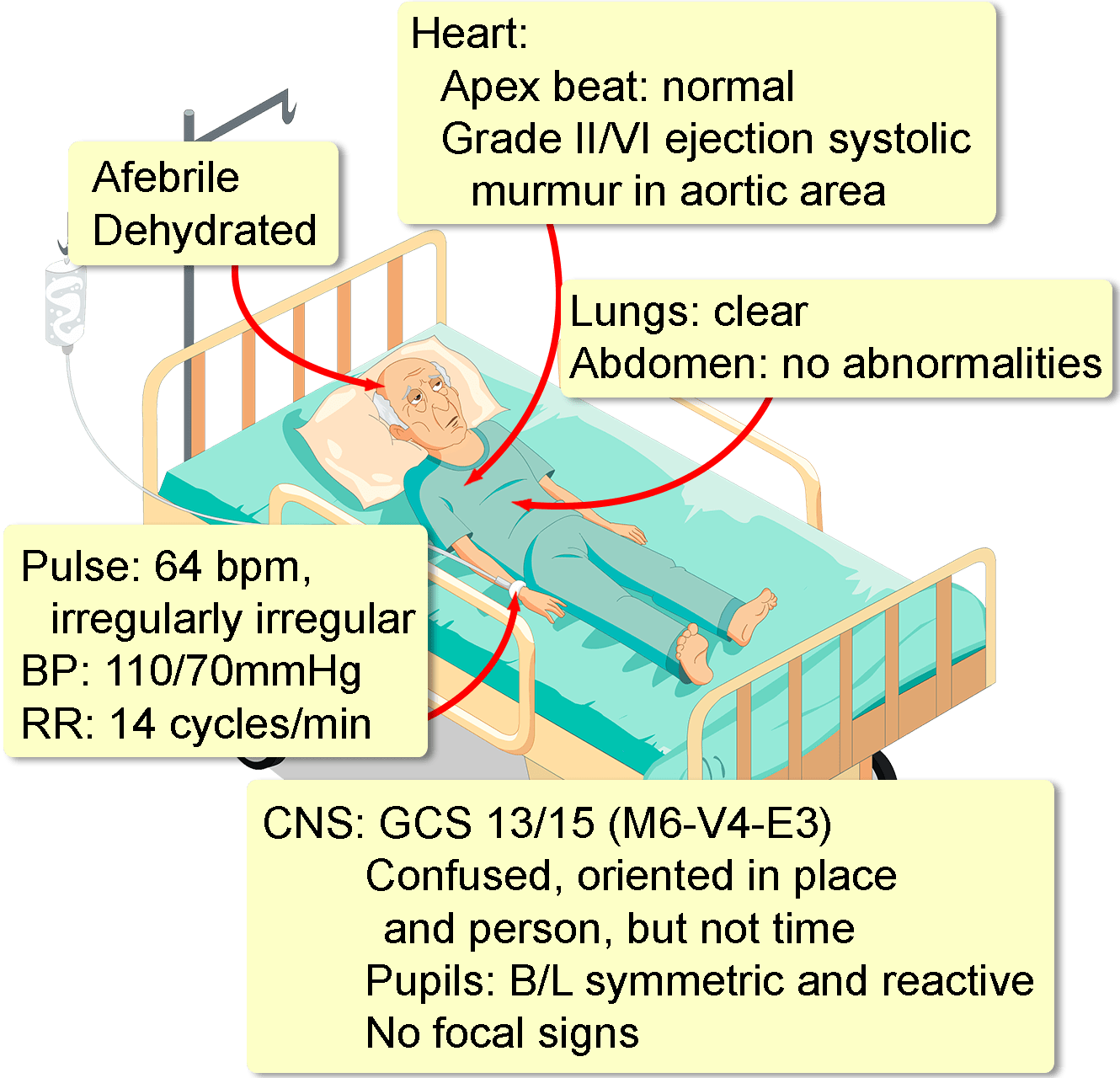
Digitalis toxicity occurs when excessive amounts of digitalis (digoxin) accumulate in the body. Digoxin is a medication commonly prescribed to manage certain heart conditions, including irregular heart rhythms and heart failure. While effective when used correctly, digoxin has a narrow therapeutic range, meaning that even small dosing errors can result in toxicity.
In Canada, digitalis toxicity is considered a medical emergency due to its potential to cause dangerous heart rhythm disturbances. Proper medication management and early recognition of symptoms are critical.
What Causes Digitalis Toxicity?
Digitalis toxicity can develop when:
-
Too much digoxin is taken at once
-
Digoxin accumulates in the body over time
-
The body is unable to properly eliminate the medication
Even a normal prescribed dose may become toxic if other factors interfere with the body’s ability to process the drug.
Risk Factors for Digitalis Toxicity
Several conditions and situations increase the likelihood of toxicity, including:
-
Dehydration
-
Thyroid disorders
-
Kidney disease that limits drug excretion
-
Low potassium levels (often due to diuretic use)
-
Low magnesium levels
-
Drug interactions with other heart or blood pressure medications
Potassium and magnesium play a crucial role in maintaining normal heart rhythm. When these minerals are low, the heart becomes more sensitive to digoxin, significantly increasing the risk of toxicity.
Signs and Symptoms of Digitalis Toxicity

Digitalis toxicity affects multiple body systems, particularly the heart, digestive system, and nervous system.
Common Symptoms
-
Nausea, vomiting, or diarrhea
-
Loss of appetite
-
Fatigue or weakness
Heart-Related Symptoms
-
Rapid, slow, or irregular heartbeat
-
Palpitations
-
Shortness of breath
Neurological and Visual Symptoms
-
Confusion or disorientation
-
Blurred vision
-
Seeing bright lights, halos, or blind spots
In severe cases, digitalis toxicity can lead to life-threatening heart rhythm disturbances, heart failure, and cardiac arrest.
Management and Emergency Treatment
Digitalis toxicity requires urgent medical care. Treatment depends on severity and symptoms.
Breathing and Heart Support
-
Oxygen or assisted ventilation if breathing is compromised
-
Medications or electrical therapy to stabilize dangerous heart rhythms
Reducing Drug Levels
-
Activated charcoal to limit absorption
-
Gastric lavage (stomach pumping) in certain cases
Advanced Treatments
-
Antidigitalis antibody fragments (specific antidotes) to neutralize digoxin
-
Hemodialysis in severe cases to remove digoxin from the bloodstream
Early intervention significantly improves outcomes.
Important Disclaimer
Educational Use Only
This content is intended for first aid awareness and health education in Canada. It does not replace professional medical advice or treatment. Suspected medication poisoning or digitalis toxicity is a medical emergency and requires immediate assessment by emergency medical services.
About The Author

Mark Kascha
Certified First Aid Instructor Trainer with 30+ years of real-world experience, including lifeguarding, workplace emergency response, and first aid program development across Canada. Has worked with WorkSafeBC, WSIB, and Manitoba Health.
👉 [View full credentials]🔗 View LinkedIn Profile
Last reviewed: March 2026