
 What is gastritis?
Gastritis refers to inflammation of the stomach lining. It can occur suddenly (acute gastritis) or gradually over time (chronic gastritis). Many factors can contribute, including infection, irritation from medications, immune-related conditions, or injury to the stomach lining.
First aid & workplace relevance (Canada)
Digestive complaints can affect comfort, concentration, and workplace participation. Awareness of common symptoms can help individuals recognize when to adjust activity, seek support, or consult a health professional, especially if symptoms persist.
Scenario: Mild workplace digestive discomfort
After lunch, an office worker noticed upper-abdominal discomfort and occasional belching during the afternoon. A coworker suggested slowing down eating pace and staying hydrated. The discomfort eased later in the day, and the worker chose to follow up with their healthcare provider about recurring symptoms.
Symptoms of gastritis (educational overview)
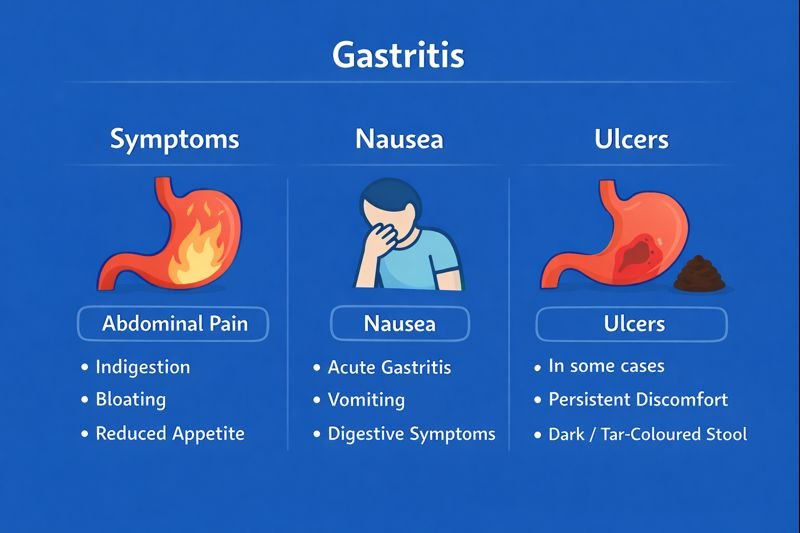
Gastritis symptoms vary from person to person and may include:
-
Upper-abdominal discomfort or burning sensation
-
Indigestion-like pressure or fullness after eating
-
Bloating or belching
-
Nausea, and occasionally vomiting
-
Reduced appetite
Some people with chronic gastritis experience few noticeable symptoms until the condition becomes more advanced.
Nausea & digestive symptoms
Acute gastritis may lead to temporary nausea or vomiting. These symptoms can also appear with other digestive conditions, so assessment is often needed to understand the contributing factors.
Ulcers & complications
In some cases, gastritis may contribute to the development of stomach ulcers. Persistent inflammation can affect the stomach lining and may lead to:
-
Ongoing abdominal discomfort
-
Low energy or fatigue (linked to low red blood cell levels in some individuals)
-
Irritation of the stomach lining that may cause trace bleeding, which can sometimes be seen as dark or tar-coloured bowel movements
Severe complications are less common but may include disruption of the stomach wall or narrowing of the stomach passageways, which can lead to frequent nausea or vomiting.
Chronic gastritis considerations
Chronic inflammation may affect how the body absorbs certain nutrients, including vitamin B12, which plays a role in red blood cell production. In rare, long-standing cases, chronic gastritis may contribute to pre-cancerous changes in the stomach lining, particularly when untreated or associated with specific infections or immune factors.
Causes & contributing factors
Many influences can contribute to gastritis, including:
-
Infection (e.g., Helicobacter pylori, a common stomach bacterium)
-
Medications that irritate the stomach lining
-
Autoimmune factors
-
Alcohol use
-
Stress-related digestive changes
-
Injury or systemic illness
When symptoms appear
Gastritis may present as:
-
Sudden onset (acute) with abdominal discomfort or nausea
-
Slow-developing (chronic) with minimal symptoms until later stages
Some individuals initially mistake symptoms for general indigestion.
FAQ
Is gastritis always painful?
Not necessarily. Some people experience discomfort, while others notice symptoms only later or during flare-ups.
Can gastritis go unnoticed?
Yes. Chronic gastritis can be symptom-light for long periods before digestive changes become more noticeable.
Is gastritis the same as an ulcer?
No. Ulcers involve deeper damage to the stomach lining, while gastritis refers to inflammation. However, gastritis can contribute to ulcer formation in some cases.
Can workplace stress affect digestion?
Stress may influence digestive symptoms for some individuals, though gastritis has a range of biological and environmental causes.
Educational note
This post supports public health and first aid awareness. Individuals with persistent digestive symptoms may benefit from medical evaluation to determine underlying causes and supportive care options.
About The Author

Mark Kascha
Certified First Aid Instructor Trainer with 30+ years of real-world experience, including lifeguarding, workplace emergency response, and first aid program development across Canada. Has worked with WorkSafeBC, WSIB, and Manitoba Health.
👉 [View full credentials]🔗 View LinkedIn Profile
Last reviewed: March 2026