
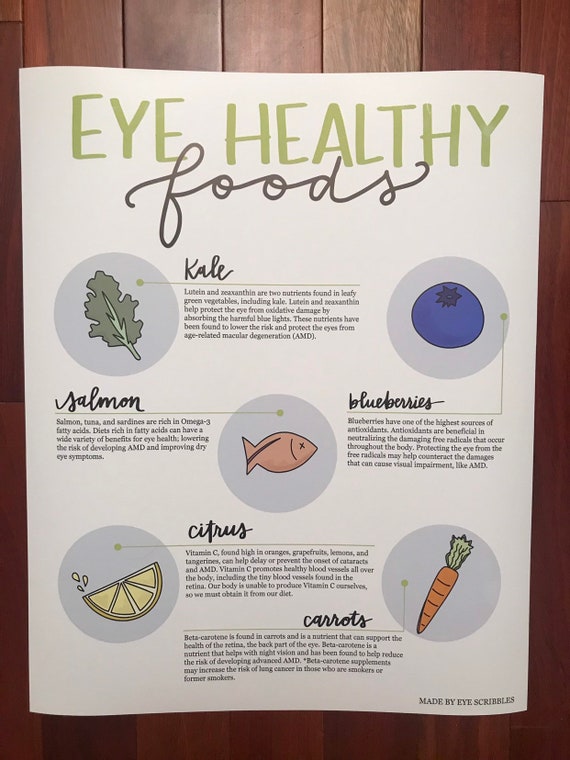
 Vitamin A deficiency can occur when the body does not receive or absorb enough vitamin A. This nutrient is essential for healthy vision, immune function, reproduction, and normal cell growth. Fortunately, vitamin A is readily available in many foods commonly eaten in Canada.
From a first aid and workplace safety perspective, vitamin A matters because poor vision—especially in low light—and weakened immune function can affect situational awareness, reaction time, and illness recovery, all of which influence safety at work and in daily life.
This article is intended for general education and safety awareness only and does not replace medical advice.
Why Vitamin A Matters for Safety and First Aid
Vitamin A supports:
-
Normal vision, including low-light vision
-
Immune system function
-
Tissue repair and cell growth
Low levels can contribute to:
-
Difficulty seeing in dim environments
-
Increased susceptibility to infections
-
Slower recovery from illness
These factors can affect safety when driving, working in low-light areas, or performing precision tasks.
Forms of Vitamin A in Food
Vitamin A comes in two main forms, depending on the food source.
Retinol (Animal-Based Vitamin A)
Retinol is the active form of vitamin A and is readily used by the body. It can be converted into other active forms that support vision and cellular function.
Common sources include:
-
Eggs
-
Dairy products
-
Liver
-
Fortified foods
Provitamin A Carotenoids (Plant-Based)
Carotenoids are converted by the body into retinol as needed. They also act as antioxidants, helping protect cells from damage.
Common carotenoids include:
-
Beta-carotene
-
Alpha-carotene
-
Beta-cryptoxanthin
Good sources include:
-
Dark leafy greens (spinach, kale)
-
Orange vegetables (carrots)
-
Fruits such as papaya, apricots, and mango
Signs and Symptoms of Vitamin A Deficiency
The most recognized symptom of vitamin A deficiency is night blindness, or difficulty seeing in low-light conditions.
Other possible signs include:
-
Weakened immune response
-
Increased frequency or severity of infections
In Canada and other developed countries, deficiency due to poor diet alone is uncommon. When it occurs, it is more often linked to conditions that interfere with absorption.
Risk Factors for Vitamin A Deficiency
Vitamin A deficiency may occur in individuals with:
-
Digestive conditions affecting nutrient absorption
-
Chronic inflammatory bowel conditions
-
Liver or pancreatic disease
-
Alcohol use disorder
-
Zinc deficiency
Anyone experiencing vision changes or frequent infections should seek medical evaluation to identify the underlying cause.
Vitamin A and Excess Intake: Safety Considerations
Vitamin A is fat-soluble, meaning the body can store it. Because of this, excess intake—especially from supplements—can be harmful.
Potential Effects of Excess Vitamin A
Consuming too much preformed vitamin A can cause:
-
Headaches
-
Nausea or vomiting
-
Dizziness
-
Vision problems
Over time, excess intake can lead to hypervitaminosis A, which may result in:
-
Liver damage
-
Weakened bones
-
Birth defects if taken during pregnancy
For this reason, vitamin A supplements are rarely needed and should only be used when recommended by a healthcare professional.
Carotenoid Supplements: What to Know
Carotenoid supplements are often promoted as antioxidants and are generally safer than retinol supplements because the body limits how much is converted to vitamin A.
However:
-
Very high intake may cause the skin to appear orange
-
Research on long-term safety and effectiveness is mixed
Obtaining carotenoids from whole foods is considered safer and more effective than relying on supplements.
Injury Prevention and Workplace Safety Considerations
Maintaining adequate vitamin A levels supports:
-
Clear vision in low-light or changing environments
-
Immune health, reducing illness-related absences
-
Overall situational awareness
Balanced nutrition contributes to long-term safety and performance at work and at home.
Key Takeaways for Canadians
-
Vitamin A is essential for vision and immune function
-
Deficiency is uncommon but possible with absorption issues
-
Excess vitamin A from supplements can be dangerous
-
A balanced diet is the safest source of vitamin A
Educational Disclaimer
This article is provided for general education and first aid awareness only. It does not diagnose or treat vitamin deficiencies. Anyone concerned about vision changes or nutrient status should consult a healthcare professional.
About The Author

Mark Kascha
Certified First Aid Instructor Trainer with 30+ years of real-world experience, including lifeguarding, workplace emergency response, and first aid program development across Canada. Has worked with WorkSafeBC, WSIB, and Manitoba Health.
👉 [View full credentials]🔗 View LinkedIn Profile
Last reviewed: March 2026