
What Is a Tetanus Shot Reaction?
A tetanus shot is a routine vaccine that helps protect against tetanus (sometimes called lockjaw)—a serious illness caused by bacteria that can enter the body through cuts or wounds. Most people tolerate the vaccine well, but it is common to notice temporary soreness, redness, or mild swelling at the injection site for a short period afterward. These reactions are usually mild and settle within a couple of days.
Why This Awareness Matters in Canadian Homes and Workplaces
In Canada, tetanus immunization is part of regular health protection for children and adults, and boosters are often recommended after certain injuries or at routine intervals. First aid awareness helps individuals understand what normal post-injection discomfort feels like, how to stay comfortable, and when to seek further assessment if symptoms change.
A Simple, Realistic Scenario
After receiving a routine booster at a community clinic, an employee returns to work and notices a tender spot on their upper arm. Remembering basic first aid awareness, they avoid heavy lifting with that arm for the day and apply a cool pack in the evening. The soreness improves over the next day.
Common Temporary Reactions
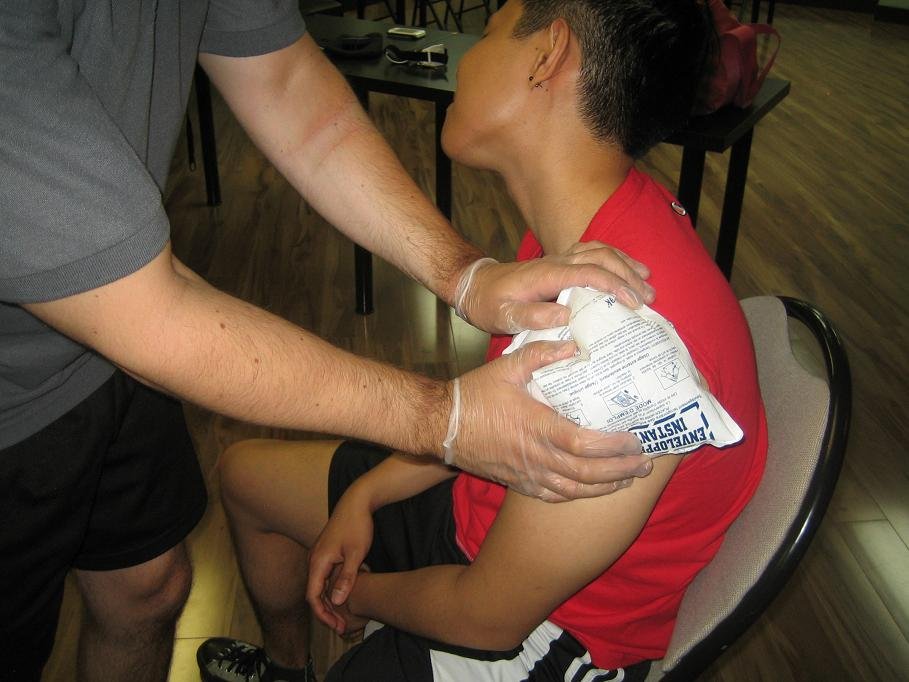
Mild reactions can appear within hours or the next day and often include:
-
Soreness or tenderness at the injection site
-
Redness or slight swelling of the upper arm
-
Mild stiffness when moving the arm
-
General tiredness for a short time
These effects are typically short-lived and part of the body’s normal response to vaccination.
First Aid Awareness and Comfort Measures
Rest the Affected Arm
Limit strenuous lifting or repetitive arm movements for a day or two if the area feels tender.
Cool Packs for Early Swelling
Apply a cool pack wrapped in cloth for short periods (about 10–15 minutes at a time) to ease swelling or tenderness.
Gentle Warmth Later
If muscles feel tight after the first day, a warm compress or warm shower can help relax the surrounding area.
Light Movement
Easy, comfortable arm movements can help reduce stiffness. Avoid forceful stretching or pressure directly on the injection spot.
Monitor Changes
Temporary discomfort is common. If symptoms become more intense, spread significantly, or do not improve after a few days, further assessment is advisable.
Prevention and Everyday Considerations
-
Keep routine vaccinations up to date according to local public-health guidance
-
After an injection, wear loose sleeves and avoid tight straps over the area
-
Stay hydrated and plan lighter activities the same day if possible
-
Follow workplace incident-reporting or health-and-safety procedures when immunizations occur on the job
Frequently Asked Questions About Tetanus Shot Soreness
Is arm soreness after a tetanus shot normal?
Yes. Mild tenderness or redness at the injection site is common and usually short-term.
How long does the soreness last?
Many people notice improvement within one to two days.
Should the arm be kept completely still?
No. Gentle movement is comfortable for many people, but heavy lifting can be postponed briefly.
When should further assessment be considered?
If swelling becomes pronounced, fever appears, breathing difficulty occurs, or discomfort persists beyond several days, seek further guidance promptly.
Why is the tetanus vaccine important?
It helps protect against a rare but serious illness that can follow contaminated wounds.
Educational Note
This article is intended for general public and workplace education in Canada. It supports awareness of normal post-vaccination discomfort and first aid recognition but does not replace evaluation or care from qualified healthcare professionals.
About The Author

Mark Kascha
Certified First Aid Instructor Trainer with 30+ years of real-world experience, including lifeguarding, workplace emergency response, and first aid program development across Canada. Has worked with WorkSafeBC, WSIB, and Manitoba Health.
👉 [View full credentials]🔗 View LinkedIn Profile
Last reviewed: March 2026