
Pressure headaches are a common experience for many people worldwide. They refer to headaches in which individuals feel a sensation of pressure or fullness inside the head. This sensation can occur for a variety of reasons, including congestion, changes in fluid dynamics, allergies, illness, or other medical conditions.
Relevance in Schools, Sports & Canadian Workplaces
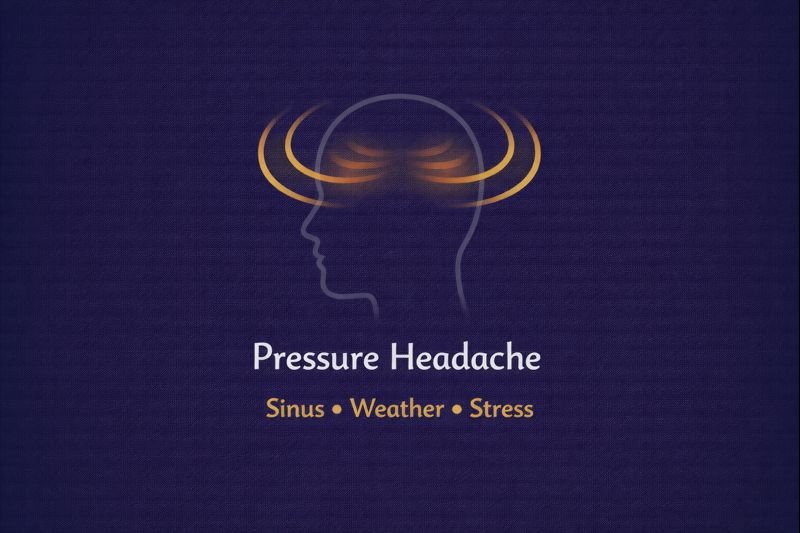 Pressure-type headaches can affect:
-
concentration at school or work
-
performance in sports or physical activities
-
tolerance for environmental changes such as weather shifts
-
day-to-day comfort and productivity
Awareness helps individuals decide when symptoms may be linked to stress, allergies, infections, or when to seek a health assessment.
Scenario (Mild & Realistic)
A high school student noticed a dull, full feeling across the forehead during a week of spring allergies. Studying under bright lights made it worse, and leaning forward increased pressure. After resting and managing sinus congestion with healthcare guidance, the headaches gradually eased.
Common Symptom Features
Pressure headaches may be described as:
-
tightness or fullness in the head
-
discomfort behind the forehead, eyes, or cheeks
-
increased pressure when bending forward
-
sensitivity to weather changes or congestion
-
occasional fatigue or reduced focus
Possible Contributing Factors
1. Sinus & Allergy-Related Congestion
Sinus inflammation—whether from viral infections or allergies—can block mucus drainage. When mucus builds inside the sinuses, it can create pressure and headache sensations.
Typical associated features include:
-
nasal congestion
-
thick nasal discharge
-
forehead or cheek pressure
-
discomfort behind the eyes
-
symptoms often worse in the morning after lying flat
Abrupt movements like bending or sneezing may temporarily increase pressure.
2. Changes in Air Pressure
Some individuals are sensitive to abrupt weather or altitude changes. High or low atmospheric pressure can influence sinus spaces, fluid distribution, or vascular tone, which may contribute to head discomfort.
3. Stress & Migraine Tendencies
Stress, sleep disruption, or prolonged screen time can contribute to muscle tension or migraine-type headaches that feel like internal pressure. Hydration and pacing activities may help individuals manage triggers with healthcare guidance.
4. Conditions Affecting Brain Fluid or Structures (Medical Evaluation Required)
Certain medical conditions can cause pressure sensations inside the head. These may include:
-
conditions affecting cerebrospinal fluid circulation
-
hydrocephalus (excess fluid accumulation in the brain)
-
other neurological or structural conditions
Symptoms that may appear alongside headaches can include nausea, morning worsening, vomiting, or visual changes—situations where medical evaluation is important to determine appropriate steps.
When to Seek Medical Assessment
Individuals should consider speaking with a healthcare provider if:
-
headaches are persistent or worsening over time
-
symptoms interfere with daily activity
-
headaches are accompanied by new neurological changes such as confusion, difficulty speaking, persistent vomiting, or visual disturbance
-
there is concern about a sinus infection or chronic congestion
Healthcare professionals are responsible for diagnosing causes and discussing appropriate management options.
Prevention & General Considerations
Depending on the cause, individuals may benefit from:
-
hydration and routine sleep
-
avoiding prolonged screen strain
-
monitoring weather or allergy seasons
-
using protective eyewear for bright environments
-
pacing intense mental or physical activities
These are general supportive strategies, not treatment instructions.
FAQ
Are pressure headaches always serious?
Most are associated with non-serious causes such as congestion, stress, or weather sensitivity, but persistent or worsening headaches should be medically assessed.
Can sinus issues cause head pressure?
Yes. Blocked draining pathways can create fullness or pressure sensations.
Do pressure headaches affect school or work performance?
Yes. Concentration and comfort can be reduced during episodes.
Can allergies contribute to head pressure?
Allergic inflammation and congestion can influence sinus pressure in some individuals.
Educational Note
This article supports general public education about pressure-type headaches and does not diagnose or recommend treatments. Individuals with persistent or concerning symptoms should seek medical assessment.
About The Author

Mark Kascha
Certified First Aid Instructor Trainer with 30+ years of real-world experience, including lifeguarding, workplace emergency response, and first aid program development across Canada. Has worked with WorkSafeBC, WSIB, and Manitoba Health.
👉 [View full credentials]🔗 View LinkedIn Profile
Last reviewed: March 2026