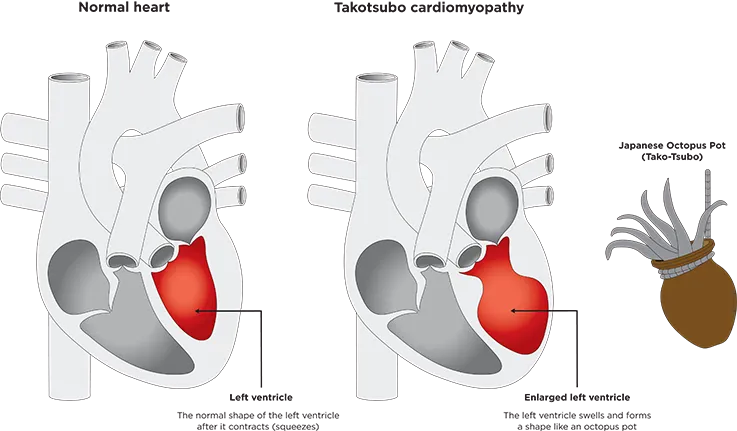
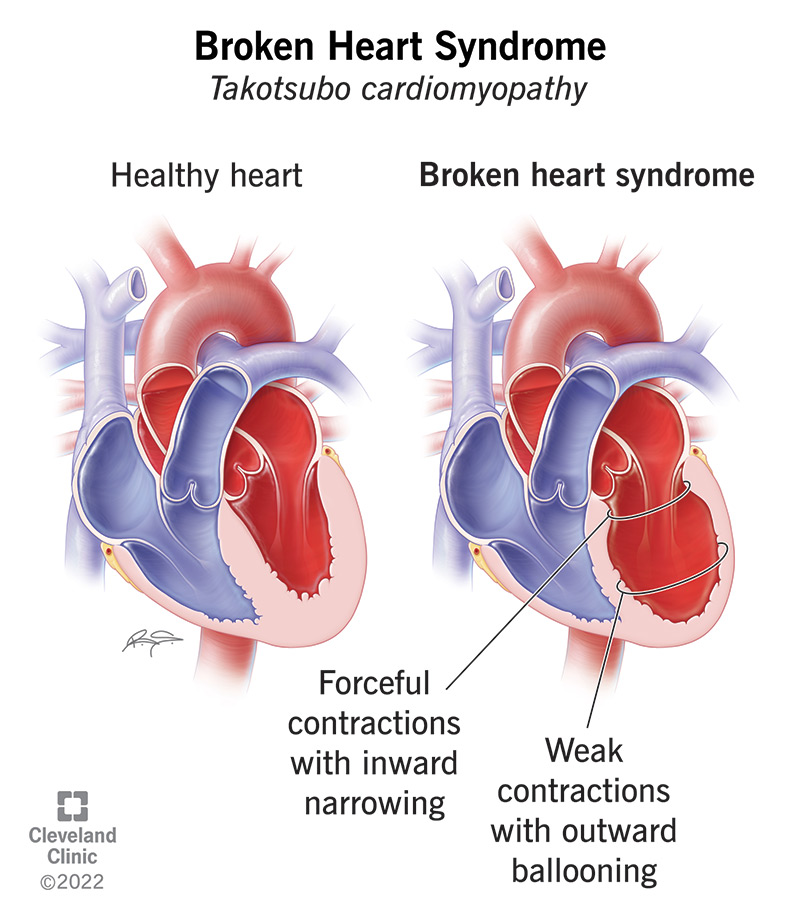
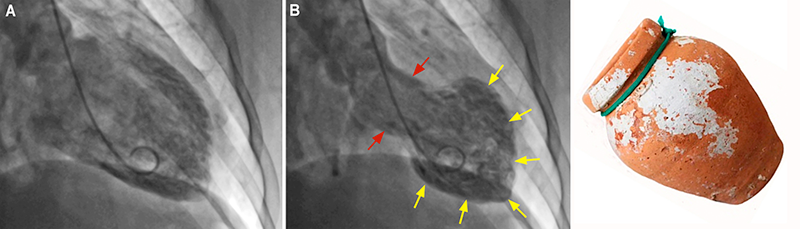
Takotsubo cardiomyopathy, also known as stress-induced cardiomyopathy or broken heart syndrome, is a temporary heart condition in which the heart muscle suddenly weakens and enters a “stunned” state. The left ventricle changes shape and becomes enlarged, reducing its ability to pump blood effectively.
This condition can occur at any age but most commonly affects women, particularly following a period of intense emotional or physical stress. The good news is that Takotsubo cardiomyopathy is usually reversible, with heart function often returning to normal over time.
Signs and Symptoms
The symptoms of Takotsubo cardiomyopathy often closely resemble those of a heart attack, making immediate medical attention critical.
Common symptoms include:
- Chest pain
- Shortness of breath
- Sudden collapse or fainting
Some individuals may also experience:
- Nausea or vomiting
- Heart palpitations
- Lightheadedness
If these symptoms occur, treat the situation as a medical emergency and call 911 immediately. Early care is essential, as the condition cannot be distinguished from a heart attack without medical testing.
Possible Causes
The exact cause of Takotsubo cardiomyopathy is not fully understood. However, most individuals diagnosed with the condition report a recent intense emotional or physical stressor, such as:
- Sudden bereavement or grief
- Natural disasters or traumatic events
- Severe illness or recent surgery
It is believed that a surge of stress hormones may temporarily interfere with the heart’s normal function.
How Is It Managed?
There is currently no specific medication proven to prevent or cure Takotsubo cardiomyopathy, but treatment focuses on supportive care and monitoring.
-
Initially, individuals are treated as if they are having a heart attack, often receiving medications such as aspirin.
-
Hospital admission to a coronary care unit is typical, where heart rhythm and function are closely monitored for 24–48 hours.
-
Additional medications may be prescribed temporarily to support heart recovery.
In most cases, the left ventricle returns to normal size and function within days, weeks, or a few months. Regular follow-up, including ECGs or imaging, is recommended until recovery is confirmed. Long-term treatment is usually not required unless another heart condition is present.
Risk of Recurrence
Although recovery is common, approximately 10–15% of individuals may experience another episode of Takotsubo cardiomyopathy. A repeat episode may occur after a different type of stressful event than the first.
First Aid & Medical Disclaimer
This content is intended for educational and first aid awareness purposes only and does not replace professional medical advice or emergency care. Takotsubo cardiomyopathy can present like a heart attack and should always be treated as a medical emergency.
Learning how to recognize sudden cardiac symptoms and circulatory emergencies is an important part of first aid preparedness. Canadians are encouraged to take a First Aid and CPR course with a certified training provider to better respond to cardiac emergencies.
About The Author

Mark Kascha
Certified First Aid Instructor Trainer with 30+ years of real-world experience, including lifeguarding, workplace emergency response, and first aid program development across Canada. Has worked with WorkSafeBC, WSIB, and Manitoba Health.
👉 [View full credentials]🔗 View LinkedIn Profile
Last reviewed: March 2026