
A swollen uvula—the small, bell-shaped structure that hangs from the back of the soft palate—can be uncomfortable and, in some situations, dangerous. While its exact role isn’t fully understood, the uvula contributes to speech, saliva production, and airflow during breathing and snoring.
From a first aid and emergency response perspective, swelling in the throat always deserves attention because it can interfere with swallowing or breathing.
This article is for general education only and does not replace medical assessment or care.
What Does the Uvula Do?
The uvula is made of muscle and glandular tissue. It:
-
Helps shape certain speech sounds
-
Contributes moisture to the throat
-
Plays a role in snoring and sleep-related breathing patterns
Inflammation of the uvula (uvulitis) can occur on its own, but more often it develops along with irritation or swelling of nearby throat tissues.
Signs and Symptoms of a Swollen Uvula
A swollen uvula is uncommon but can cause noticeable symptoms, including:
-
Throat pain or irritation
-
Difficulty swallowing
-
Gagging or drooling
-
Changes in voice
-
Difficulty speaking
-
Difficulty breathing (this is an emergency)
In rare cases, uvular swelling may worsen obstructive sleep apnea by contributing to airway blockage during sleep.
Common Causes of a Swollen Uvula
Infections
Throat infections can spread inflammation to the uvula. These may be:
-
Viral infections
-
Bacterial infections such as tonsillitis or strep throat
A particularly serious condition is epiglottitis, which causes swelling of nearby airway structures and can rapidly interfere with breathing—especially in children. Immediate medical care is required.
Allergic Reactions (Anaphylaxis)
Allergic reactions can cause sudden swelling of the lips, tongue, throat, and uvula. This is a sign of anaphylaxis, a life-threatening emergency.
First aid priorities include:
-
Calling emergency services immediately
-
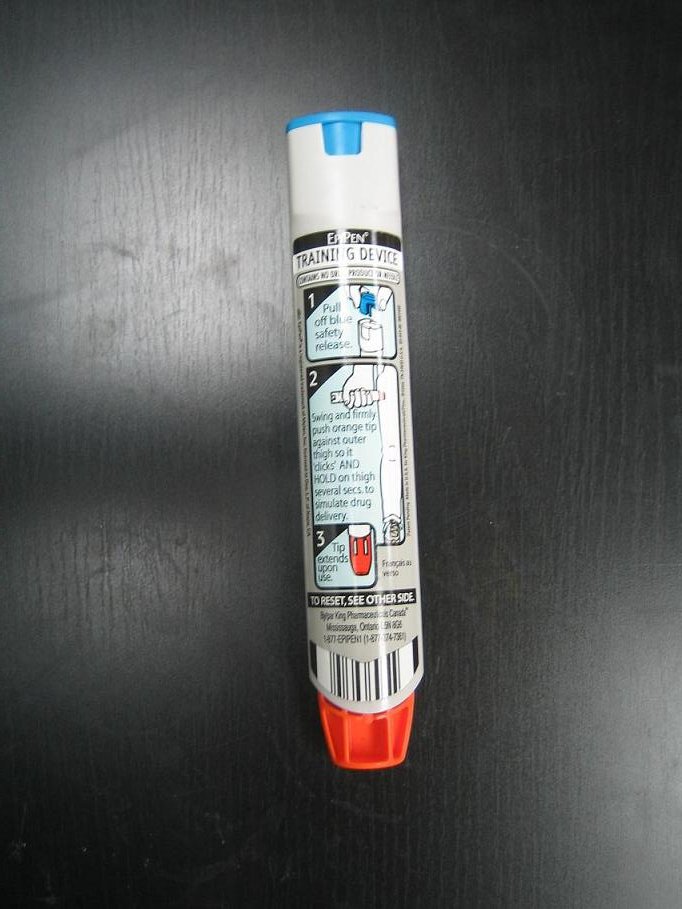
Using an epinephrine auto-injector if available
-
Monitoring breathing and consciousness
People with a known history of severe allergies are often advised to carry epinephrine at all times.
Trauma or Irritation
Although uncommon, the uvula can swell due to:
-
Burns from very hot food or liquids
-
Mechanical irritation
-
Medical procedures involving airway instruments
These cases are usually less severe but should still be monitored for worsening symptoms.
Hereditary Angioedema
This rare genetic condition causes recurrent episodes of swelling in different parts of the body, including the uvula. Attacks often begin in childhood and can occur without warning. Because airway swelling can occur, emergency preparedness is essential.
When a Swollen Uvula Is a Medical Emergency
From a first aid and CPR training standpoint, immediate medical help is required if swelling is accompanied by:
-
Trouble breathing
-
Rapid progression of throat swelling
-
Voice changes or inability to speak
-
Signs of an allergic reaction
Airway obstruction can develop quickly, and early intervention saves lives.
Why This Matters in First Aid and Workplace Safety
Recognizing throat swelling is critical in:
-
Workplace exposure to allergens or chemicals
-
Childcare and school environments
-
Public spaces where rapid response may be needed
First aid training in Canada emphasizes early recognition of airway emergencies and prompt activation of emergency medical services.
Educational Disclaimer
This information is intended for public education and first aid awareness only. It is not medical advice. Any throat swelling that affects breathing, swallowing, or speech should be treated as urgent and assessed by a healthcare professional.
About The Author

Mark Kascha
Certified First Aid Instructor Trainer with 30+ years of real-world experience, including lifeguarding, workplace emergency response, and first aid program development across Canada. Has worked with WorkSafeBC, WSIB, and Manitoba Health.
Last reviewed: March 2026