A sternoclavicular (SC) sprain occurs when the joint connecting the collarbone (clavicle) to the breastbone (sternum) is injured. This injury is usually caused by a direct blow to the shoulder or significant trauma, such as a fall or collision.
Although uncommon, sternoclavicular injuries can be serious because the joint is located close to major blood vessels, nerves, and the airway.
Understanding the Risk
The sternoclavicular joint plays an important role in shoulder and arm movement. When injured, swelling or displacement of the joint can place pressure on nearby structures in the chest and neck.
Because of this location, sternoclavicular injuries should never be ignored or self-treated.
Common Signs and Symptoms
Signs of a possible sternoclavicular sprain may include:
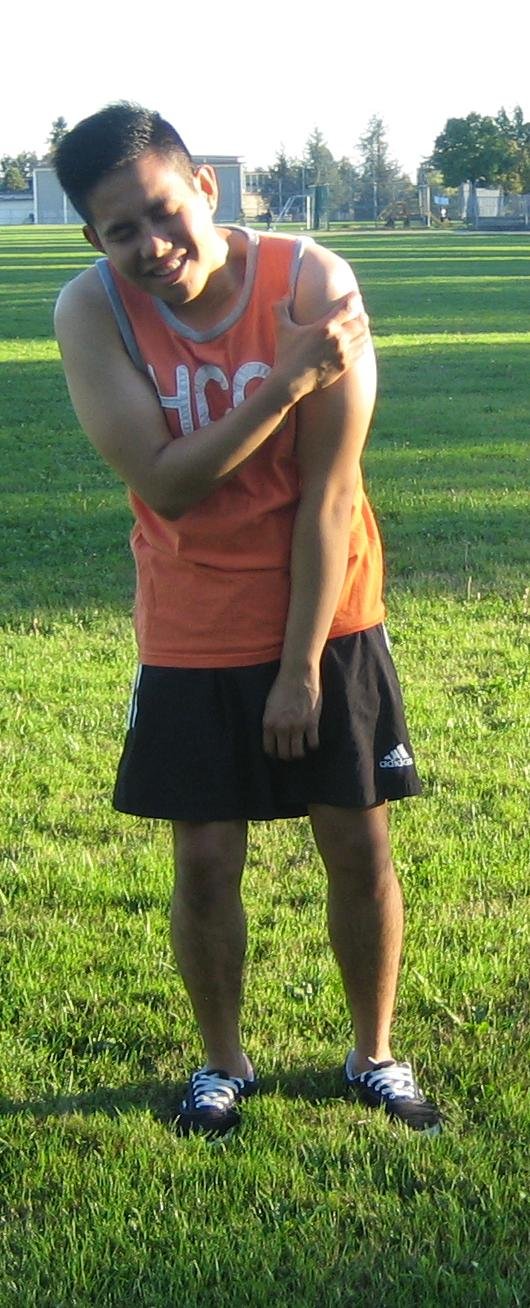
- Pain or tenderness where the collarbone meets the breastbone
- Pain that radiates into the shoulder or upper chest
- Swelling or visible prominence at the joint
- Pain with shoulder or arm movement
In more serious cases, symptoms may also include:
- Difficulty breathing or swallowing
- Numbness or weakness in the arm
- Increasing chest discomfort
These symptoms require immediate medical attention.
First Aid Awareness: What to Do
First aid does not treat sternoclavicular injuries, but early recognition and proper response are critical.
If a sternoclavicular injury is suspected:
- Stop activity immediately
- Keep the person still and supported
- Avoid moving the shoulder or arm unnecessarily
- Seek urgent medical assessment
- Call emergency services if breathing, circulation, or neurological symptoms are present
Do not attempt to manipulate or realign the joint.
Why This Awareness Matters for Canadians
Although rare, sternoclavicular injuries can occur during contact sports, falls on ice, or motor vehicle collisions—situations common in Canada.
First aid training, including in basic, intermediate and advanced first aid courses, emphasizes:
- Recognizing high-risk joint injuries
- Understanding when injuries involve vital structures
- Activating medical care without delay
Educational Disclaimer
This information is provided for general educational purposes only and does not replace professional medical advice. Suspected sternoclavicular injuries require medical assessment.
About The Author

Mark Kascha
Certified First Aid Instructor Trainer with 30+ years of real-world experience, including lifeguarding, workplace emergency response, and first aid program development across Canada. Has worked with WorkSafeBC, WSIB, and Manitoba Health.
👉 [View full credentials]🔗 View LinkedIn Profile
Last reviewed: March 2026