 Norovirus is one of the most common causes of stomach flu (viral gastroenteritis) in Canada. It spreads extremely easily, which is why many people experience sudden outbreaks in schools, workplaces, childcare centres, long-term care facilities, and restaurants. Most Canadians will encounter norovirus at least once in their lifetime.
From a first aid, workplace safety, and public health perspective, understanding how norovirus spreads—and how to stop it—is critical to protecting families, coworkers, and vulnerable populations.
This article is intended for general education and safety awareness only and does not replace medical advice.
Why Norovirus Is So Contagious
Norovirus is notorious for its ability to spread rapidly. It takes only a tiny amount of virus to cause infection—so small that an amount invisible to the eye can infect many people.
This explains why outbreaks often seem to start suddenly, with multiple people becoming ill at the same time.
Common Places Where Norovirus Spreads
Norovirus outbreaks are frequently linked to shared environments, including:
-
Daycare centres and schools
-
Long-term care and retirement homes
-
Hospitals
-
Restaurants and food service settings
-
Cruise ships and group travel
-
Workplaces with shared washrooms or kitchens
Anywhere people are in close contact or share food and surfaces can become a source of spread.
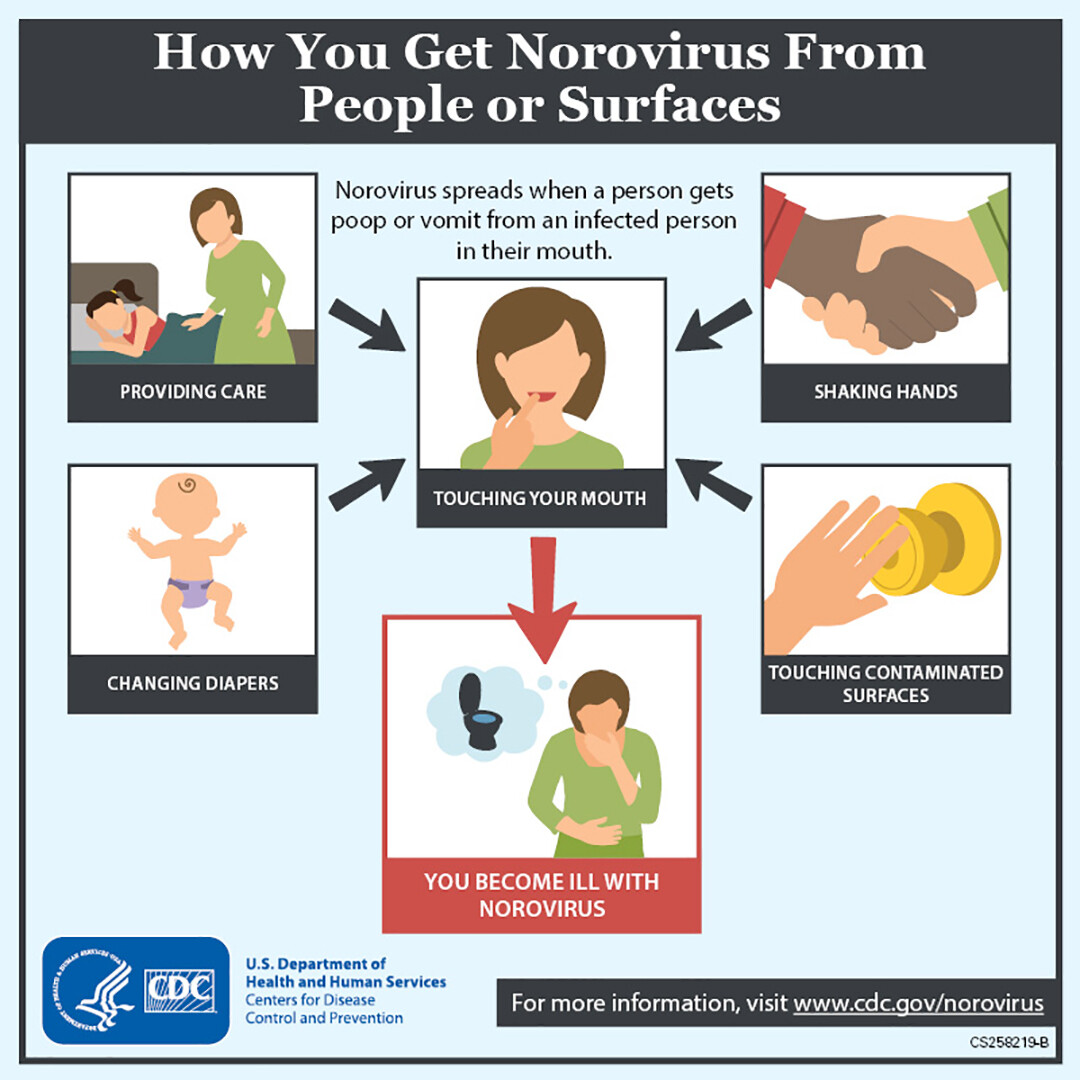
How Norovirus Spreads
Norovirus can be transmitted in several ways:
-
Eating food or drinking beverages contaminated with norovirus
-
Touching contaminated surfaces, then touching the mouth, nose, or eyes
-
Shaking hands with an infected person
-
Sharing food, utensils, or drinks
-
Exposure to airborne droplets released during vomiting
-
Cleaning up vomit or diarrhea without proper protection
Food-Related Transmission
Foodborne outbreaks are commonly linked to:
-
Raw fruits and leafy vegetables
-
Undercooked or raw shellfish, especially oysters
-
Ready-to-eat foods such as sandwiches and salads
In many cases, food becomes contaminated by an infected food handler who may not yet realize they are sick.
Why Norovirus Is Hard to Eliminate
Norovirus is extremely resilient:
-
It can survive temperatures up to 140°F (60°C)
-
It can live on hard surfaces for weeks
-
It survives in water and on fabrics
-
Many common disinfectants are ineffective
Because of this, prevention and hygiene are far more effective than trying to “kill” the virus after exposure.
Contagious Period: What You Need to Know
A person with norovirus is contagious:
-
While symptoms are present
-
For at least 48 hours after symptoms stop
During this time, individuals should:
-
Stay home
-
Avoid preparing food for others
-
Avoid providing personal care (childcare, elder care, healthcare tasks)
Even after recovery, careful hygiene remains essential.
First Aid and Safety Measures to Prevent Spread
Key prevention strategies include:
-
Frequent handwashing with soap and water (especially after bathroom use)
-
Cleaning and disinfecting high-touch surfaces
-
Using gloves and protective equipment when cleaning vomit or diarrhea
-
Washing contaminated clothing and linens promptly
-
Staying home when sick
Handwashing with soap and water is more effective than alcohol-based hand sanitizers for norovirus.
When to Seek Medical Care
Medical advice should be sought if:
-
Signs of dehydration appear
-
Symptoms are severe or persistent
-
The person is very young, elderly, pregnant, or immunocompromised
First aid care focuses on hydration, rest, and preventing further spread.
Key Safety Takeaways for Canadians
-
Norovirus is extremely contagious
-
Very small exposure can cause illness
-
Outbreaks spread quickly in shared spaces
-
Proper handwashing is the best defence
-
Stay home for at least 48 hours after symptoms stop
Educational Disclaimer
This article is provided for general education and food safety awareness only. It does not diagnose or treat illness. Consult a healthcare professional if symptoms worsen or dehydration is suspected.
About The Author

Mark Kascha
Certified First Aid Instructor Trainer with 30+ years of real-world experience, including lifeguarding, workplace emergency response, and first aid program development across Canada. Has worked with WorkSafeBC, WSIB, and Manitoba Health.
👉 [View full credentials]🔗 View LinkedIn Profile
Last reviewed: March 2026