
Norovirus is a highly contagious virus that affects the stomach and intestines. Although uncomfortable, most infections clear within a few days and can be cared for at home. Because norovirus spreads easily, staying home helps prevent others from getting sick.
Common Symptoms
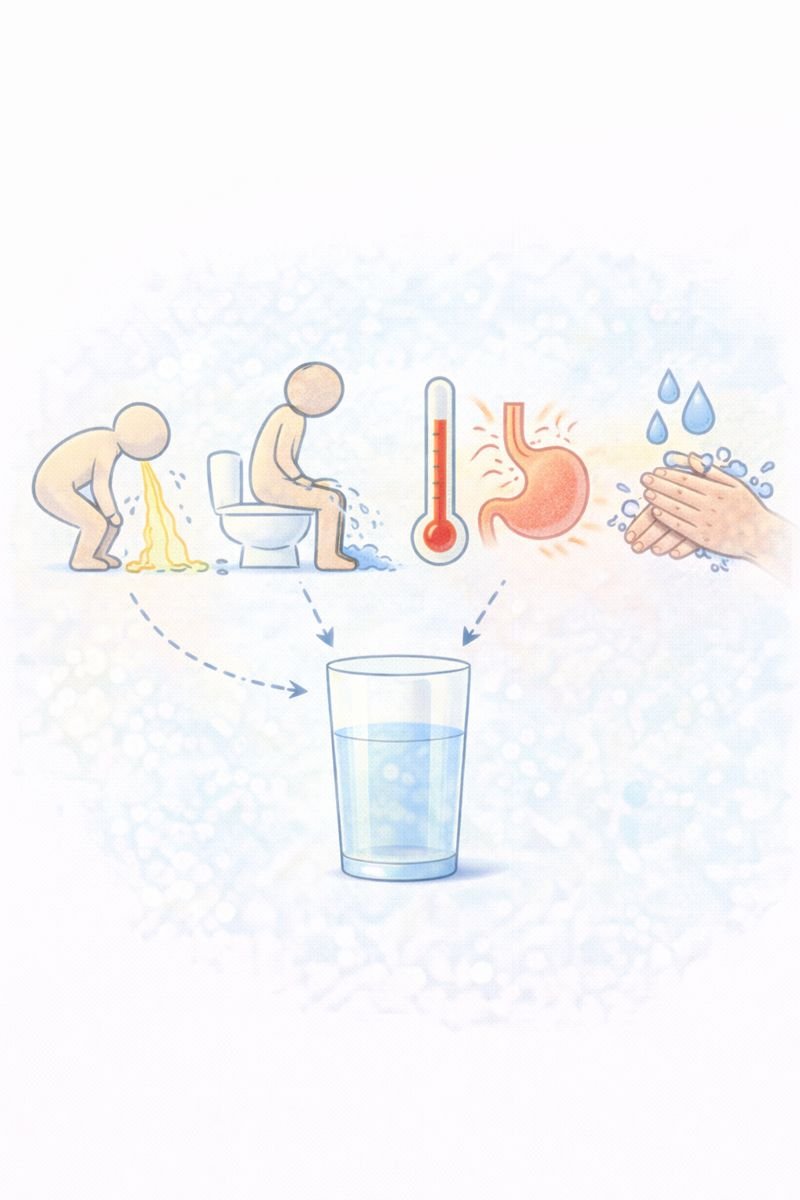 Symptoms often appear 1–2 days after exposure and may include:
-
Sudden vomiting (sometimes projectile)
-
Watery diarrhea
-
Abrupt nausea
Some people also experience:
-
Mild fever
-
Stomach cramping
-
Headache
-
Fatigue or aching muscles
Most symptoms last 2–3 days.
What to Do if You Have Norovirus
There is no specific cure — the illness typically needs to run its course. Home care focuses on comfort and preventing dehydration:
Hydration
-
Drink small amounts often
-
Water, oral rehydration solutions, soups, and diluted juices can help
-
Avoid carbonated drinks for children (may worsen diarrhea)
-
Infants should continue breastmilk or formula
Food & Rest
-
Rest while recovering
-
When hungry, start with plain foods (toast, rice, broth, bananas, pasta)
Medications
-
Acetaminophen (paracetamol) may help with aches or fever
-
Anti-diarrheal or anti-nausea medications may be used in adults if appropriate — check labels or consult a healthcare provider
Infants and young children are at higher risk for dehydration and should be monitored carefully.
When to Seek Medical Advice
Most people do not need medical care for norovirus. A doctor may be consulted if:
-
Symptoms last longer than a few days
-
There are signs of dehydration (dry mouth, dizziness, reduced urination, dark urine)
-
Symptoms worsen
-
The individual has underlying health conditions
-
An infant or older adult is affected
Since norovirus is viral, antibiotics do not help.
Preventing Spread
Norovirus spreads easily through contact with contaminated surfaces, food, or people.
Helpful prevention measures include:
-
Frequent handwashing with soap and water
-
Staying home while sick
-
Avoiding work or school for at least 48 hours after symptoms stop
-
Cleaning contaminated surfaces and washrooms
Because norovirus spreads in close-contact environments (schools, workplaces, childcare centres), returning too soon can trigger outbreaks.
First Aid & Public Health Awareness in Canada
Norovirus is typically managed at home, but dehydration can become a concern — especially for young children and older adults. First aid training through St. Mark James Training supports Canadians in recognizing dehydration, knowing when to seek care, and promoting hygiene practices in workplaces and community settings. Many employers pair first aid with CPR/AED training to strengthen overall preparedness.
Educational Disclaimer (bottom of post)
This article provides general educational information for Canadians and should not replace medical advice. Seek assessment if symptoms worsen, persist, or raise concerns about dehydration.
About The Author

Mark Kascha
Certified First Aid Instructor Trainer with 30+ years of real-world experience, including lifeguarding, workplace emergency response, and first aid program development across Canada. Has worked with WorkSafeBC, WSIB, and Manitoba Health.
👉 [View full credentials]🔗 View LinkedIn Profile
Last reviewed: March 2026