
A metacarpal fracture involves a break in one of the long, tubular bones of the hand that connect the wrist to the fingers. Each finger (digit) has a corresponding metacarpal bone, and any of these bones can be fractured during a high-energy impact.
Metacarpal fractures are especially common among athletes, particularly those involved in boxing, martial arts, rugby, and football, where direct force to the hand is more likely.
How Does a Metacarpal Fracture Occur?
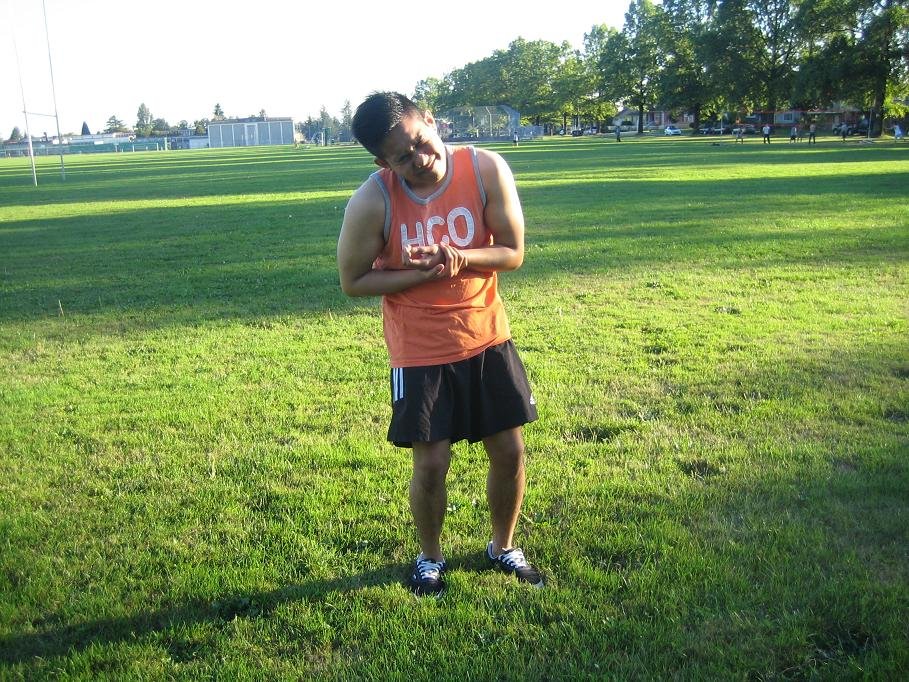
A metacarpal fracture most often results from a forceful impact to the hand, including:
-
Punching a hard object with a clenched fist
-
Falls where the hand absorbs the impact
-
Crushing injuries to the hand
-
Direct blows during contact sports
Boxers are particularly prone to this injury, especially when punches are delivered without proper protective gloves, as the knuckles transmit force directly through the metacarpal bones.
Signs and Symptoms of a Metacarpal Fracture
An individual with a metacarpal fracture typically experiences:
-
Immediate hand pain following injury
-
Swelling over the back or palm of the hand
-
Bruising directly over the injured bone
-
Difficulty moving the fingers due to pain
-
Tenderness when the metacarpal is pressed
-
Possible deformity or misalignment
In some cases, the fractured bone ends may be palpable beneath the skin. One important assessment finding is rotational deformity, which can be identified when the person attempts to make a fist—affected fingers may cross or fail to line up properly.
Diagnosis
Diagnosis is based on:
-
History of injury (punching, fall, or direct impact)
-
Physical examination, including checking finger alignment
-
X-rays, which confirm the location and severity of the fracture
Prompt diagnosis is important to prevent long-term complications such as stiffness, poor alignment, or reduced hand function.
Initial First Aid and Management
From a first aid perspective, initial care focuses on protecting the injury until medical evaluation is available.
Initial management includes:
-
Immobilizing the hand using a splint or soft wrap
-
Allowing space for swelling—tight bandaging should be avoided
-
Leaving fingertips exposed when possible to maintain circulation and gentle movement
-
Elevating the hand to reduce swelling
-
Seeking medical assessment as soon as possible
Definitive treatment may include casting, splinting, or surgery depending on fracture type, alignment, and severity.
First Aid Education Note
Understanding how to recognize fractures, immobilize injuries, and reduce complications is a core component of advanced and intermediate First Aid and CPR training in Canada. Early and appropriate care can significantly improve healing outcomes.
Medical Disclaimer
This information is provided for educational and first aid awareness purposes only and does not replace professional medical assessment, diagnosis, or treatment. Anyone suspected of having a fracture should be evaluated by a qualified healthcare provider.
About The Author

Mark Kascha
Certified First Aid Instructor Trainer with 30+ years of real-world experience, including lifeguarding, workplace emergency response, and first aid program development across Canada. Has worked with WorkSafeBC, WSIB, and Manitoba Health.
👉 [View full credentials]🔗 View LinkedIn Profile
Last reviewed: March 2026