An asthma attack occurs when the airways become inflamed and narrowed, making breathing difficult. Asthma attacks can range from mild to severe and may become life-threatening without prompt action.
In Canada, asthma affects people of all ages. Knowing how to recognize an asthma emergency and respond appropriately is an essential part of first aid and CPR awareness.
Signs of a Serious Asthma Attack
An asthma attack should be treated as an emergency if any of the following occur:
- Difficulty breathing or rapid breathing
- Wheezing or coughing that worsens quickly
- Trouble speaking in full sentences
- Blue or grey lips or fingernails
- Chest tightness or visible distress
- Little or no relief from a reliever inhaler
Symptoms that worsen rapidly always require urgent attention.
First Aid Awareness: What to Do During an Asthma Attack
If a person is having an asthma attack:
- Help them sit upright and stay calm
- Encourage slow, steady breathing
- Assist them with their reliever inhaler, if they have one and are able to use it
- Stay with them and monitor their breathing
Call emergency services immediately if:
- Breathing does not improve
- Symptoms worsen
- The person becomes exhausted, confused, or unresponsive
First aid training emphasizes support, observation, and early escalation, not prescribing or administering medication beyond assisting with a person’s own inhaler.
Asthma and Severe Allergic Reactions
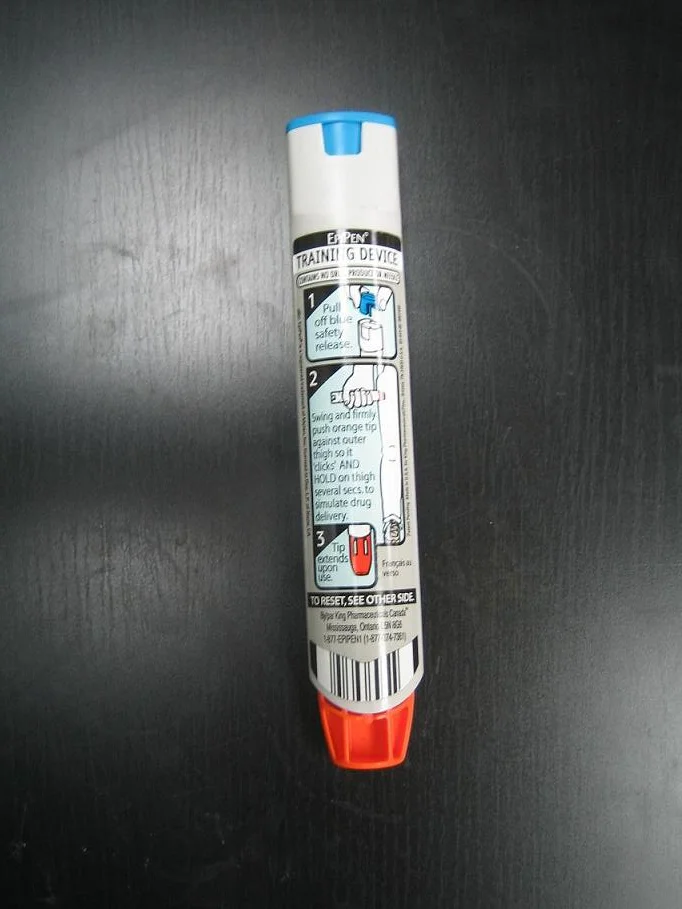
Some severe allergic reactions (anaphylaxis) can cause asthma-like breathing symptoms. If the person has a known severe allergy and carries an epinephrine auto-injector, their anaphylaxis action plan should be followed and emergency services contacted immediately.
Why This Awareness Matters for Canadians
Asthma attacks can happen at school, work, sports events, or at home. Quick recognition and calm response can prevent symptoms from escalating into a medical emergency.
First aid education in Canada focuses on:
- Recognizing breathing emergencies
- Supporting airway and breathing
- Knowing when to call for help
Educational Disclaimer
This information is provided for general educational purposes only and does not replace professional medical advice. Asthma management plans are developed by healthcare professionals. First aid training focuses on recognition, support, and emergency response.
About The Author

Mark Kascha
Certified First Aid Instructor Trainer with 30+ years of real-world experience, including lifeguarding, workplace emergency response, and first aid program development across Canada. Has worked with WorkSafeBC, WSIB, and Manitoba Health.
👉 [View full credentials]🔗 View LinkedIn Profile
Last reviewed: March 2026