 Contact lens infections are a common issue among people who wear contact lenses. These infections may be bacterial, viral, or fungal, and while some are mild, others can threaten vision if not treated promptly.
From a first aid and public safety perspective, early recognition and proper response are essential—especially in workplaces, schools, and public settings across Canada where contact lens wear is common.
This article is for educational purposes only and does not replace assessment by an eye care professional.
What Is a Contact Lens Infection?
A contact lens infection occurs when microorganisms enter the eye and multiply, often due to:
-
Wearing contact lenses overnight
-
Using lenses longer than recommended
-
Poor hand hygiene
-
Inadequate cleaning or storage of lenses
-
Exposing lenses to non-sterile water
Because contact lenses sit directly on the surface of the eye, even minor lapses in hygiene can allow germs to cause infection.
Signs and Symptoms to Watch For
Anyone wearing contact lenses should remove them immediately and seek medical advice if they experience:
-
Eye pain or discomfort
-
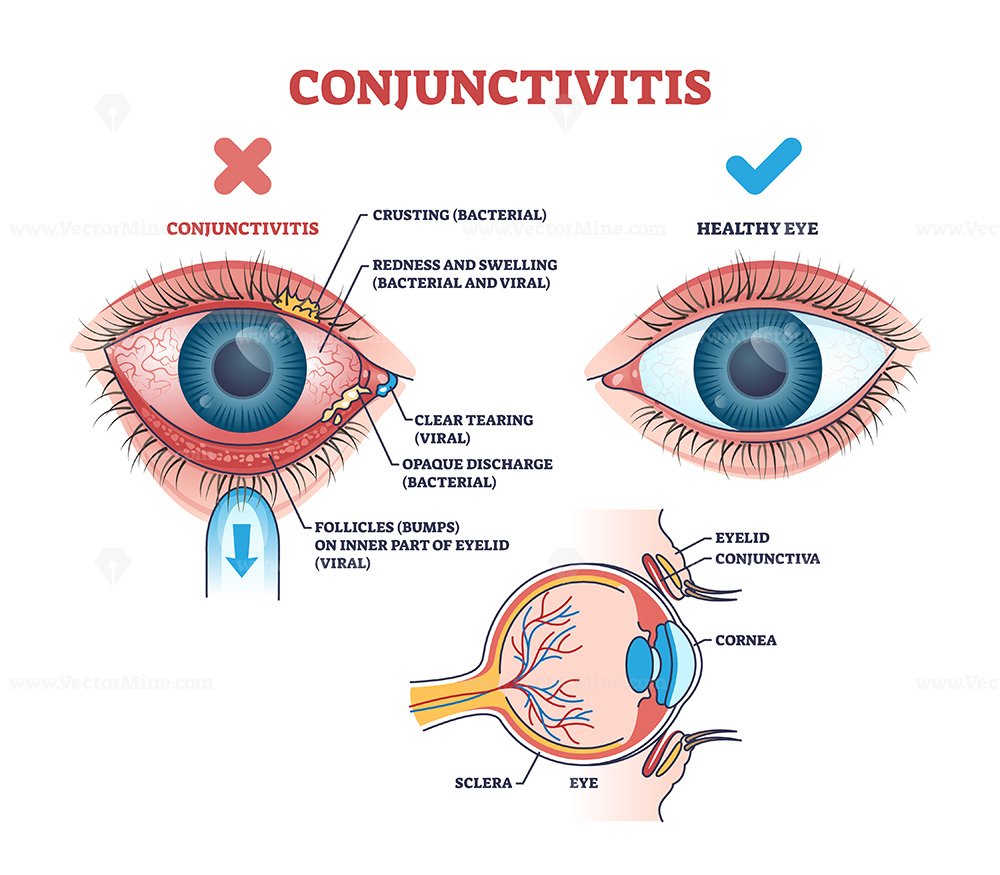
Redness in one or both eyes
-
Excessive tearing or discharge
-
Blurred or reduced vision
-
Sensitivity to light
These symptoms may indicate an infection that requires prompt treatment to prevent complications.
Immediate First Aid Steps
From a first aid standpoint, the following steps are recommended at the first sign of trouble:
1. Remove the Contact Lens
-
Remove lenses immediately
-
Place them in the usual cleaning solution
-
Do not discard the lenses, as they may help an eye care professional identify the cause
2. Inspect the Eye
-
Use a clean mirror to check for debris, discharge, or crusting
-
Note whether symptoms affect one eye or both
3. Clean Hands and Eye Area
-
Wash hands thoroughly with soap and warm water
-
Avoid rubbing the eyes
-
Gently clean around the eye using clean, damp cotton (one per eye)
⚠️ Do not rinse eyes with tap water, as this can introduce additional bacteria.
Why Medical Assessment Is Important
Contact lens infections can worsen quickly. An optometrist or ophthalmologist may:
-
Examine the eye in detail
-
Test the contact lenses and solutions
-
Prescribe appropriate treatment, such as medicated eye drops
Treatment depends on the cause and may include antibacterial, antifungal, or anti-inflammatory medications.
Delaying care increases the risk of:
-
Corneal damage
-
Scarring
-
Vision loss
Preventing Contact Lens Infections
Proper lens care is a key prevention strategy emphasized in first aid and workplace health education:
-
Wash and dry hands before handling lenses
-
Follow replacement schedules exactly
-
Never sleep in lenses unless specifically prescribed
-
Use only recommended cleaning solutions
-
Avoid swimming or showering while wearing lenses
-
Replace lens cases regularly
These habits significantly reduce the risk of infection and are especially important for students, healthcare workers, and those in shared environments.
When to Seek Urgent Care
Immediate medical care is needed if:
-
Pain is severe or worsening
-
Vision changes occur
-
Symptoms do not improve after lens removal
-
Light sensitivity is pronounced
Eye pain combined with vision changes should always be treated as urgent.
Educational Disclaimer
This content is provided for general education and first aid awareness only. It does not replace professional eye care. Any eye pain, redness, or vision change should be assessed by a qualified eye care provider.
About The Author

Mark Kascha
Certified First Aid Instructor Trainer with 30+ years of real-world experience, including lifeguarding, workplace emergency response, and first aid program development across Canada. Has worked with WorkSafeBC, WSIB, and Manitoba Health.
👉 [View full credentials]🔗 View LinkedIn Profile
Last reviewed: March 2026