Dandruff is a common scalp condition that causes small white flakes to shed from the skin. It’s harmless but can feel embarrassing when flakes fall onto clothing. Mild dandruff is often manageable with simple self-care and over-the-counter products.
Everyday Measures That May Help
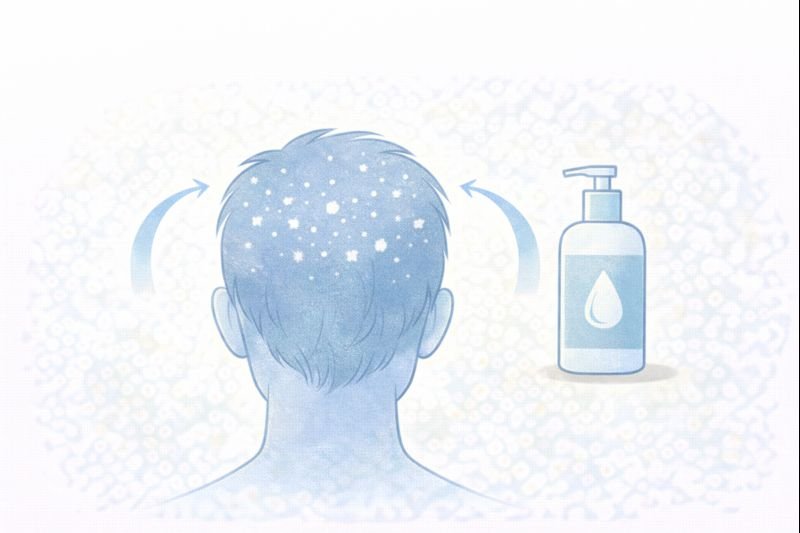 People with mild dandruff often find improvement with gentle changes to scalp care, including:
-
Washing hair regularly with a mild shampoo
-
Massaging the scalp gently (avoid scratching, which can irritate the skin)
-
Pausing gels, hairsprays, and styling products until symptoms ease
-
Spending short intervals outdoors (sunlight may help some individuals, with appropriate SPF for skin protection)
About Anti-Dandruff Shampoos
When dandruff is more persistent, many pharmacies and supermarkets in Canada carry anti-dandruff shampoos with active ingredients that help target flaking or yeast on the scalp. Common ingredients may include:
-
Salicylic acid (helps loosen built-up flakes)
-
Zinc pyrithione (helps reduce yeast on the scalp)
-
Selenium sulfide (slows skin cell turnover and targets yeast)
-
Ketoconazole (antifungal properties, often used less frequently)
-
Coal tar (slows down flaking in some conditions)
Not every shampoo works for everyone. Hair type, colour, chemical treatments, or pregnancy/breastfeeding may influence product suitability. Reading the label and asking a pharmacist or healthcare provider can help guide safe use.
How Often to Use These Products
Use instructions vary by product. Some are applied daily or every other day, while others (like ketoconazole shampoos) are used less frequently. Many products recommend:
-
Gently massaging into the scalp
-
Allowing the product to sit briefly before rinsing
If one ingredient stops working, some Canadians rotate between different formulations. If symptoms persist or worsen, a doctor or dermatologist can rule out other skin conditions.
First Aid & Health Awareness in Canada
Dandruff isn’t a medical emergency, but it’s an example of everyday health concerns Canadians often manage themselves. First aid education builds confidence in observing symptoms, maintaining hygiene, and knowing when to seek care. St. Mark James Training offers first aid and CPR/AED courses that support broader health literacy at home, work, and in community settings.
Educational Disclaimer
This information provides general public education for Canadians and does not replace medical advice. Speak with a healthcare provider about worsening or persistent skin concerns or if unsure about product use.
About The Author

Mark Kascha
Certified First Aid Instructor Trainer with 30+ years of real-world experience, including lifeguarding, workplace emergency response, and first aid program development across Canada. Has worked with WorkSafeBC, WSIB, and Manitoba Health.
👉 [View full credentials]🔗 View LinkedIn Profile
Last reviewed: March 2026