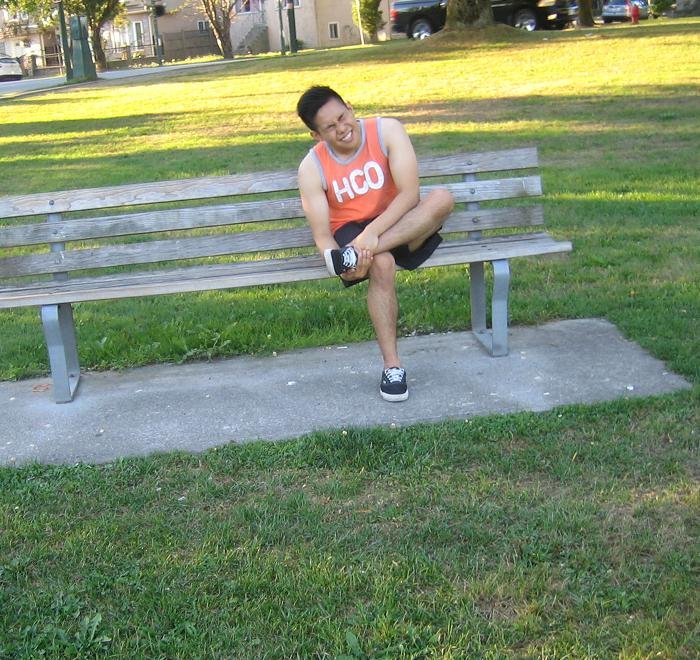
Big toe arthritis—often called arthritis of the first metatarsophalangeal joint—is a progressive condition that can significantly affect walking, balance, and weight-bearing. It develops when the smooth cartilage in the joint wears down and bone spurs form, leading to stiffness, pain, and reduced motion.
From a first aid and workplace safety perspective, big toe arthritis matters because foot pain can alter gait, increase the risk of slips, trips, and falls, and limit a person’s ability to safely perform standing or walking tasks—common requirements in many Canadian workplaces.
This article is intended for education and safety awareness. It does not replace medical advice or treatment.
Why Big Toe Arthritis Matters for First Aid and Safety
The big toe plays a critical role in:
-
Balance and stability
-
Push-off during walking
-
Standing for prolonged periods
When arthritis affects this joint, individuals may:
-
Walk unevenly to avoid pain
-
Lose range of motion
-
Experience flare-ups that limit mobility
-
Be at higher risk for secondary injuries due to altered movement
First aiders and supervisors should recognize that foot pain is not just discomfort—it can be a safety issue.
What Happens in Big Toe Arthritis?
Big toe arthritis develops as a result of:
-
Gradual erosion of joint cartilage
-
Inflammation within the joint
-
Formation of bone spurs that limit movement
Over time, the joint may become:
-
Stiff or rigid
-
Painful during walking or standing
-
Chronically inflamed, with symptoms that come and go or become constant
As the condition progresses, supportive treatments may become less effective.
Early and Ongoing Symptoms
Common symptoms include:
-
Pain at the base of the big toe
-
Stiffness, especially during walking
-
Reduced range of motion
-
Swelling around the joint
-
Pain that worsens with activity or tight footwear
During flare-ups, even short periods of walking can become difficult.
Common Treatment Approaches and Safety Implications
Anti-Inflammatory Medications
Because walking places constant stress on the big toe joint, anti-inflammatory medications are commonly used to reduce pain and swelling.
Important first aid considerations:
-
These medications relieve symptoms but do not stop disease progression
-
Effectiveness may decrease as arthritis worsens
-
Overuse may mask pain, leading individuals to exceed safe activity limits
Cortisone Injections
Cortisone injections deliver a strong anti-inflammatory directly into the joint and may provide temporary but significant pain relief.
Safety considerations:
-
Relief may allow improved function in the short term
-
Repeated injections must be used cautiously, as they may accelerate joint damage
Removal of Bone Spurs
Bone spurs often develop on the top of the joint and can cause pain when pressed by footwear.
Surgical removal can:
-
Improve comfort
-
Increase range of motion
-
Reduce pain from shoe pressure
However:
-
Bone spurs may return over time
-
Repeat procedures may be needed
Joint Fusion (Advanced Arthritis)
In advanced cases where the joint is severely damaged, fusion surgery may be recommended.
Key points:
-
Fusion can permanently relieve pain
-
The joint will no longer bend
-
Walking is often still possible, especially if motion was already limited
Many individuals choose fusion when pain severely limits daily or work activities.
First Aid and Workplace Safety Considerations
From a safety perspective, big toe arthritis can affect:
-
Ability to stand or walk for long periods
-
Safe use of ladders or uneven surfaces
-
Reaction time and balance
-
Footwear compatibility with safety boots
Workplaces may need to consider:
-
Modified duties
-
Rest breaks
-
Supportive footwear policies
-
Early reporting of foot pain to prevent secondary injuries
Preventing Secondary Injuries
To reduce risk:
-
Address foot pain early
-
Avoid ignoring limping or altered gait
-
Use appropriate footwear with adequate toe space
-
Modify activities during flare-ups
Understanding musculoskeletal conditions helps prevent falls and overuse injuries.
Educational Disclaimer
This article is provided for general education and first aid awareness only. It is not intended to diagnose or treat arthritis. Persistent or worsening foot pain should be assessed by a healthcare professional.
About The Author

Mark Kascha
Certified First Aid Instructor Trainer with 30+ years of real-world experience, including lifeguarding, workplace emergency response, and first aid program development across Canada. Has worked with WorkSafeBC, WSIB, and Manitoba Health.
👉 [View full credentials]🔗 View LinkedIn Profile
Last reviewed: March 2026