Forearm splints are an overuse injury that causes pain and tenderness in the forearm muscles. While less common than shin splints, the condition can develop gradually in people who repeatedly use their wrists and forearms, especially during forceful or repetitive movements.
In Canada, forearm splints are often seen in athletes, weightlifters, and individuals with repetitive work tasks involving the hands and wrists.
Common Signs and Symptoms
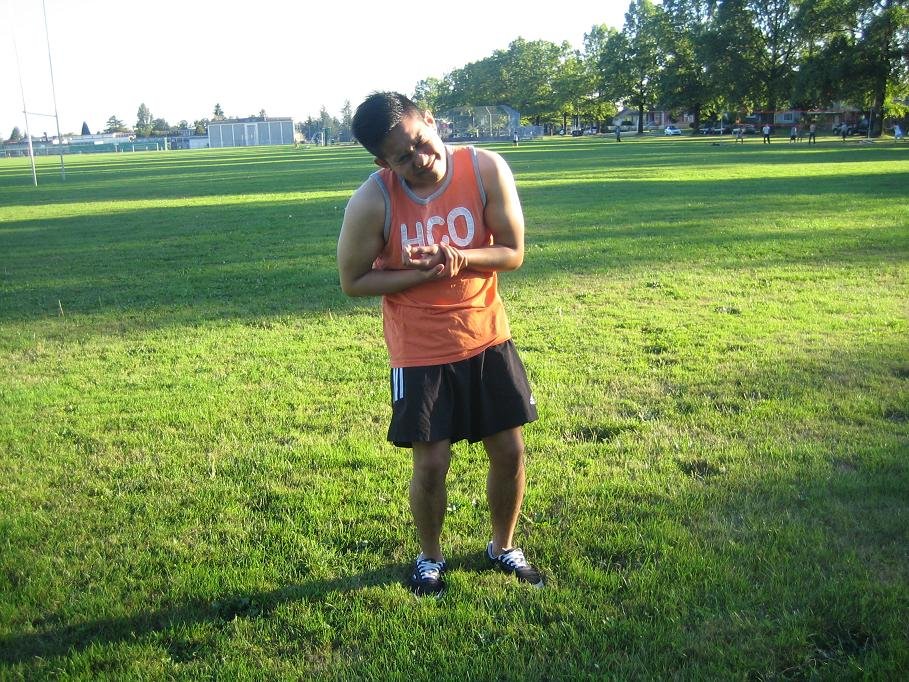
Symptoms of forearm splints usually develop slowly and may include:
- Dull or aching pain in the forearm
- Pain that worsens with continued activity
- Tenderness deep within the forearm
- Weakness in the wrist or hand
- Discomfort when extending the wrist against resistance
Pain is often felt along the back of the forearm, between the wrist and elbow.
What Causes Forearm Splints?
Forearm splints are typically caused by repetitive strain and micro-stress to the muscles and connective tissues that attach to the forearm bones.
Common risk factors include:
- Repetitive wrist movements
- Sudden increase in training intensity
- Poor technique or grip
- Sports such as weightlifting, baseball, gymnastics, or racquet sports
- Repetitive occupational tasks
Cold weather and reduced warm-up time, common during Canadian winters, may increase injury risk.
First Aid Awareness for Overuse Injuries
Forearm splints are not a medical emergency, but first aid awareness helps prevent the injury from worsening.
Basic first aid principles include:
- Resting from activities that trigger pain
- Applying cold packs to reduce discomfort and swelling
- Using light compression, if comfortable
- Elevating the arm when possible
Pain should guide activity—continuing through pain may worsen the injury.
When to Seek Medical Care
Medical assessment is recommended if:
- Pain persists despite rest
- Symptoms worsen or spread
- There is significant weakness or loss of function
- Pain interferes with daily activities
These signs may indicate a more serious injury.
Why This Awareness Matters for Canadians
Repetitive strain injuries are common in both sports and workplaces across Canada. Recognizing early warning signs helps prevent long-term injury and supports safer activity levels.
First aid training in Canada emphasizes early recognition, rest, and injury prevention, rather than treatment or rehabilitation.
Educational Disclaimer
This information is provided for general educational purposes only and does not replace professional medical advice. Persistent or severe forearm pain should be assessed by a healthcare professional.
About The Author

Mark Kascha
Certified First Aid Instructor Trainer with 30+ years of real-world experience, including lifeguarding, workplace emergency response, and first aid program development across Canada. Has worked with WorkSafeBC, WSIB, and Manitoba Health.
👉 [View full credentials]🔗 View LinkedIn Profile
Last reviewed: March 2026