Sudden Medical Emergencies

Fractures Caused by Osteoporosis: What to Expect and When to Act

Fractures Caused by Osteoporosis: What to Expect and When to Act   Osteoporosis weakens bones by reducing their density and strength, making them more vulnerable to fractures—even from minor falls or everyday movements. The hips, spine, and wrists are the most common locations for fractures among individuals with osteoporosis. Understanding the warning signs of these […]

Fractures Caused by Osteoporosis: What to Expect and When to Act Read More »

Dry Drowning and Secondary Drowning in Children: What Canadians Need to Know

Dry Drowning and Secondary Drowning in Children: What Canadians Need to Know   Dry drowning and secondary drowning are terms often used to describe delayed breathing complications that can occur after a child has been in the water. Although these conditions are rare, it is important for parents, caregivers, and first aiders in Canada to

Dry Drowning and Secondary Drowning in Children: What Canadians Need to Know Read More »

Cirrhosis: Causes, Symptoms, Management, and First Aid Awareness in Canada

Cirrhosis: Causes, Symptoms, Management, and First Aid Awareness in Canada   Cirrhosis is a serious, progressive condition in which healthy liver tissue is gradually replaced by scar tissue. This scarring interferes with normal liver function, including the production of clotting factors, which increases the risk of bleeding and easy bruising. As cirrhosis worsens, bile and

Cirrhosis: Causes, Symptoms, Management, and First Aid Awareness in Canada Read More »

Shingles (Herpes Zoster): What Canadians Need to Know

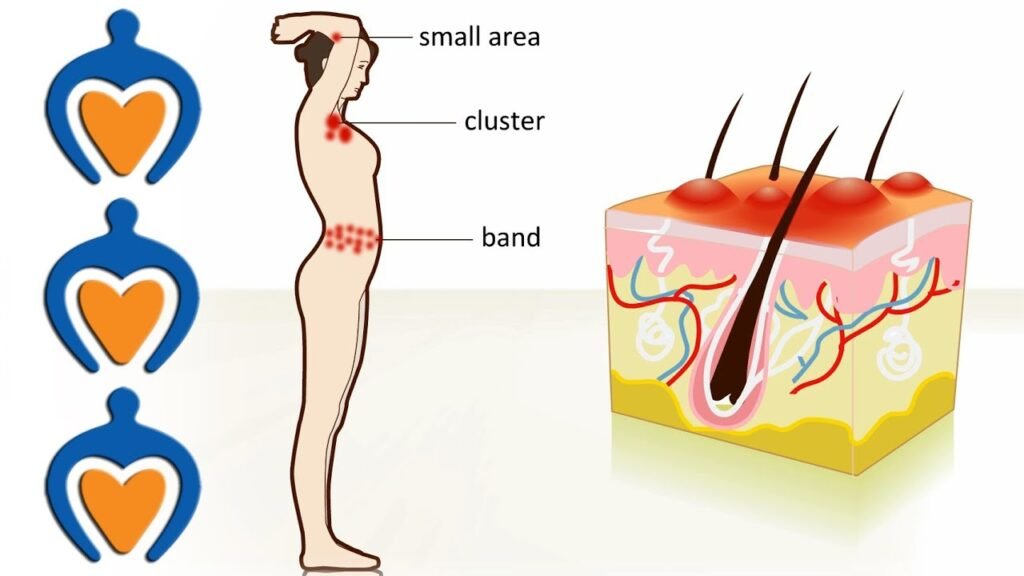
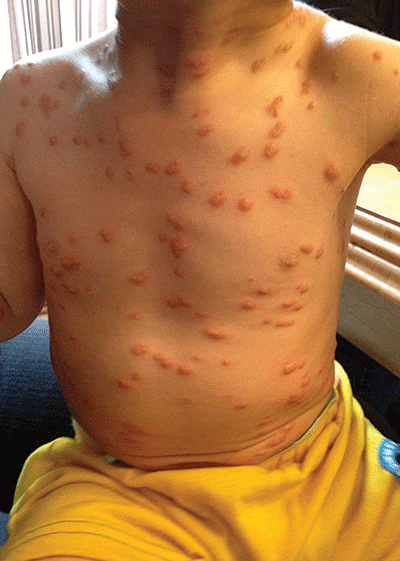
Shingles (Herpes Zoster): What Canadians Need to Know   Shingles, also known as herpes zoster, is a viral infection caused by the reactivation of the same virus responsible for chickenpox (varicella-zoster virus). After a person recovers from chickenpox, the virus remains inactive in the nervous system and can reactivate later in life, causing shingles. The

Shingles (Herpes Zoster): What Canadians Need to Know Read More »

Mini Stroke (TIA) vs Stroke: What Canadians Need to Know

Mini Stroke (TIA) vs Stroke: What Canadians Need to Know   A mini stroke, medically known as a transient ischemic attack (TIA), cannot be reliably distinguished from an ischemic stroke during the first 24 hours after symptoms begin. This is why every suspected mini stroke must be treated as a medical emergency in Canada. Early

Mini Stroke (TIA) vs Stroke: What Canadians Need to Know Read More »

Electrical Injuries: First Aid, Risks, and Emergency Response in Canada

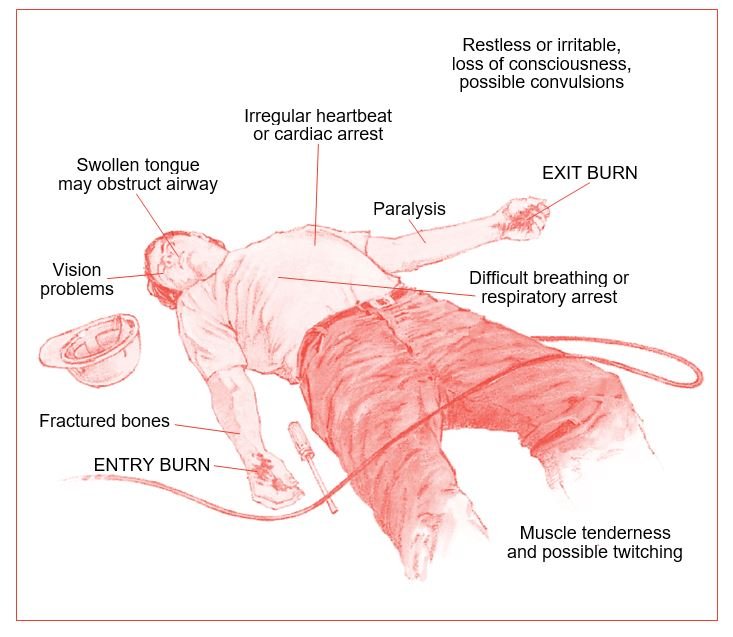
Electrical Injuries: First Aid, Risks, and Emergency Response in Canada An electrical injury occurs when an electrical current passes through the body, disrupting normal organ function and often causing burns to the skin and deeper tissues. In Canada, these injuries most commonly happen in homes, workplaces, construction sites, and during outdoor activities, particularly where electrical

Electrical Injuries: First Aid, Risks, and Emergency Response in Canada Read More »

Insecticide Poisoning: First Aid Awareness and Emergency Response in Canada

Insecticide Poisoning: First Aid Awareness and Emergency Response in Canada Serious cases of insecticide poisoning are most often caused by organophosphate and carbamate insecticides. These substances are highly toxic and can be fatal to humans, particularly in cases of intentional exposure or improper handling. In Canada, insecticide exposure is most commonly associated with agricultural work,

Insecticide Poisoning: First Aid Awareness and Emergency Response in Canada Read More »

Chagas Disease: Symptoms, Risks, and Prevention for Canadians

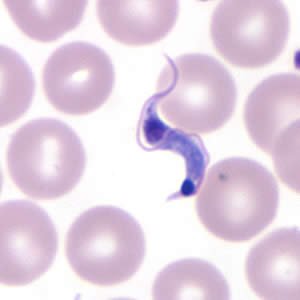
Chagas Disease: Symptoms, Risks, and Prevention for Canadians   Chagas disease is a parasitic infection caused by the protozoa Trypanosoma cruzi. The infection is primarily spread through contact with the kissing bug (also known as the triatomine bug). While Chagas disease is not endemic to Canada, it remains an important condition for Canadian travellers, aid

Chagas Disease: Symptoms, Risks, and Prevention for Canadians Read More »

Babesiosis: Tick-Borne Infection Canadians Should Know About

Babesiosis: Tick-Borne Infection Canadians Should Know About   Babesiosis is an infection that affects red blood cells and is caused by the single-celled protozoan parasite Babesia. The infection can lead to headache, fever, fatigue, chills, and body aches. Although babesiosis is uncommon in Canada, cases have been reported, particularly in regions where deer ticks are

Babesiosis: Tick-Borne Infection Canadians Should Know About Read More »

Mastocytosis: Understanding a Rare Mast Cell Disorder

Mastocytosis: Understanding a Rare Mast Cell Disorder   Mastocytosis is a rare condition caused by an abnormal buildup of mast cells in the skin and, in some cases, throughout the body. Unlike common allergic reactions that occur suddenly and resolve, mastocytosis is considered chronic, meaning symptoms may persist or recur over time. Mastocytosis develops when

Mastocytosis: Understanding a Rare Mast Cell Disorder Read More »

Shopping Cart
Scroll to Top