Head, Neck and Spine Injuries

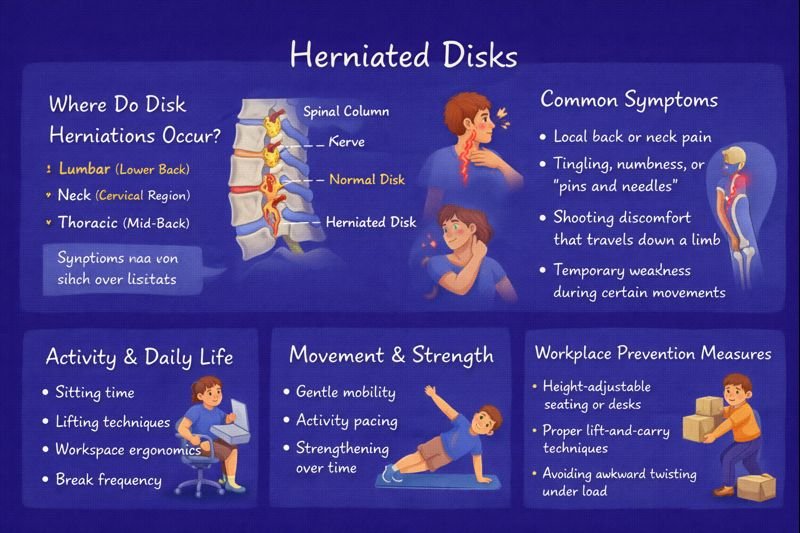
Understanding herniated disks infographic guide

Non-invasive treatment options for a herniated disk

Herniated Disks: Symptoms, Awareness, and Spine Basics The spinal column protects nerves that travel between the brain and the rest of the body. Between each vertebra are rubber-like disks that cushion movement and absorb forces. When part of a disk shifts or bulges beyond its normal space, it may irritate nearby nerves — a condition […]

Non-invasive treatment options for a herniated disk Read More »
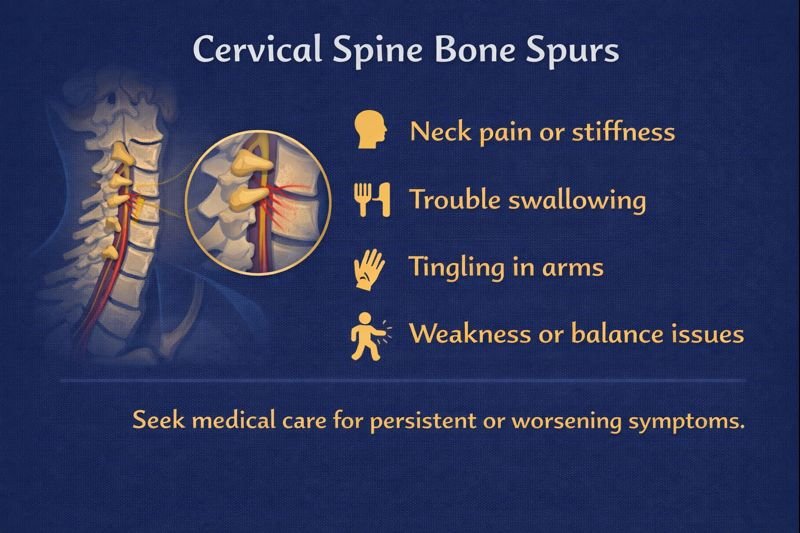
Cervical spine bone spurs symptoms guide

Cervical Spine Bone Spurs: Awareness, Symptoms & When to Seek Assessment

Cervical Spine Bone Spurs: Awareness, Symptoms & When to Seek Assessment As people age, the body undergoes natural changes in the joints and spine. One possible change is the development of bone spurs—small bony projections that form along the edges of bones. Many bone spurs cause no symptoms and may go unnoticed. However, when they

Cervical Spine Bone Spurs: Awareness, Symptoms & When to Seek Assessment Read More »

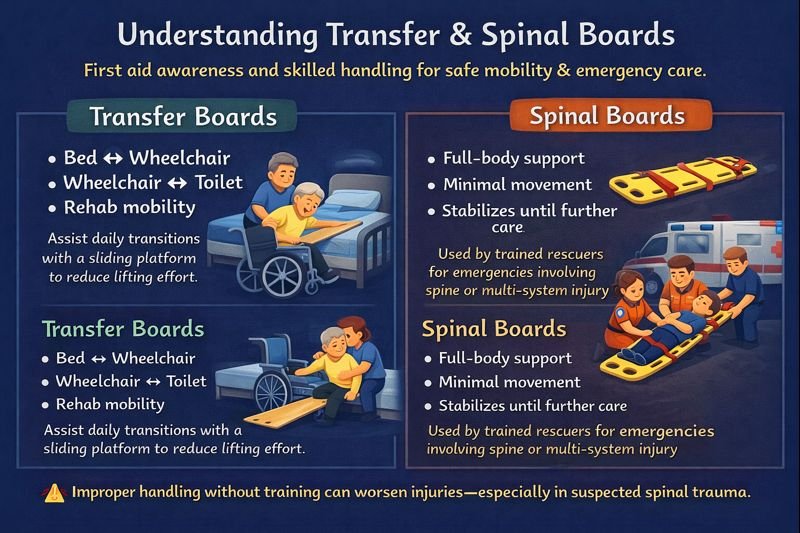
Transfer and spinal boards explained

Transfer Boards & Spinal Boards: First Aid Awareness & Safe Handling Context

Transfer Boards & Spinal Boards: First Aid Awareness & Safe Handling Context Transfer boards and spinal boards are used to move individuals safely when they cannot move independently. These devices help reduce strain on caregivers and minimize the risk of further injury to the individual being moved. Relevance in First Aid & Canadian Settings Transfer

Transfer Boards & Spinal Boards: First Aid Awareness & Safe Handling Context Read More »

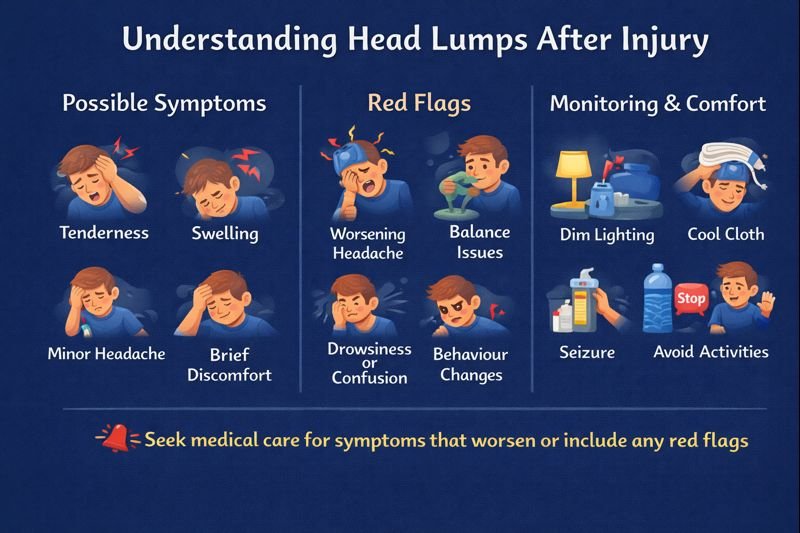
Understanding head lumps after injury

Head Lumps After Injury: Awareness, Monitoring & Red Flags

Head Lumps After Injury: Awareness, Monitoring & Red Flags A lump on the head often develops when the scalp tissue swells after a bump or fall. Most are minor and improve with time, but some head injuries can involve more serious internal effects. Knowing what to watch for helps people make informed decisions about rest,

Head Lumps After Injury: Awareness, Monitoring & Red Flags Read More »

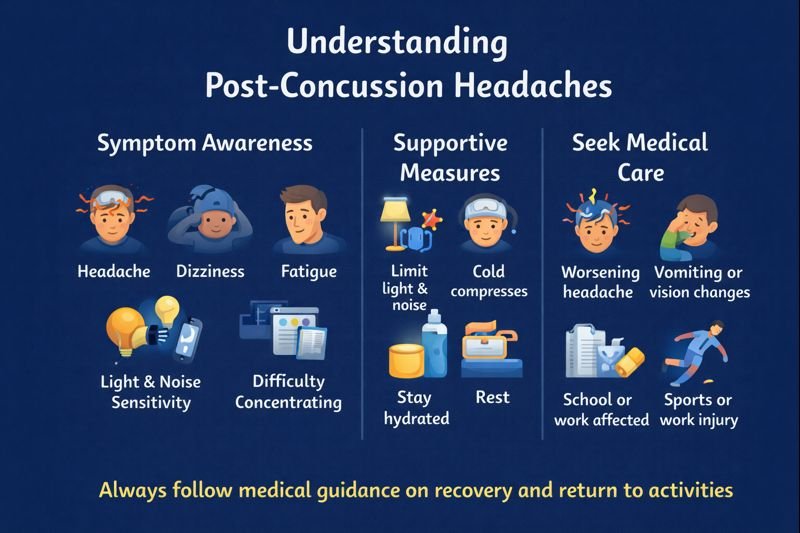
Understanding post-concussion headaches infographic

Post-Concussion Headaches: Awareness, Symptoms & Recovery Considerations

Post-Concussion Headaches: Awareness, Symptoms & Recovery Considerations Headaches are a common symptom after a concussion or mild traumatic brain injury. Some people experience discomfort for days or weeks as the brain recovers. If a person has sustained a head injury and experiences persistent symptoms—such as nausea, dizziness, confusion, or memory issues—medical assessment is recommended. Relevance

Post-Concussion Headaches: Awareness, Symptoms & Recovery Considerations Read More »

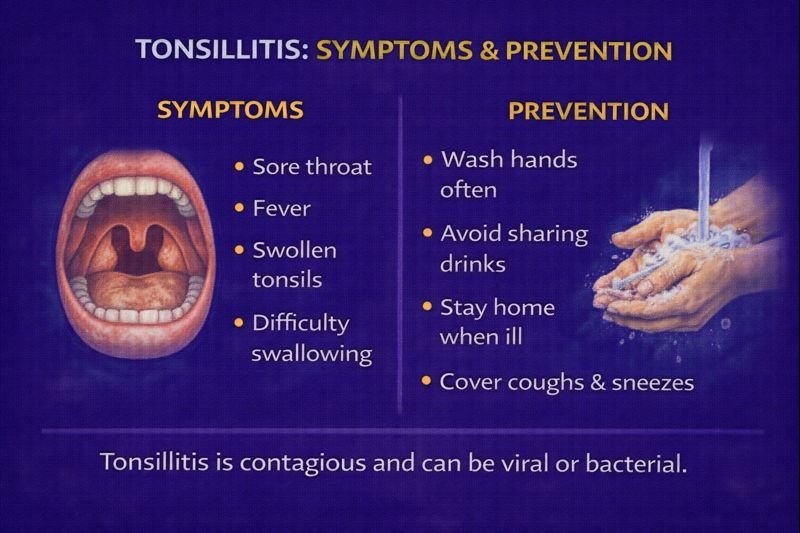
Tonsillitis symptoms and prevention guide

Tonsillitis: Symptoms, Causes & First Aid Awareness

Tonsillitis: Symptoms, Causes & First Aid Awareness What Is Tonsillitis? Tonsillitis refers to inflammation or infection of the tonsils — small lymphatic tissues located at the back of the throat that help defend against germs entering through the mouth and nose. The condition is common in childhood but can occur at any age. Relevance for

Tonsillitis: Symptoms, Causes & First Aid Awareness Read More »

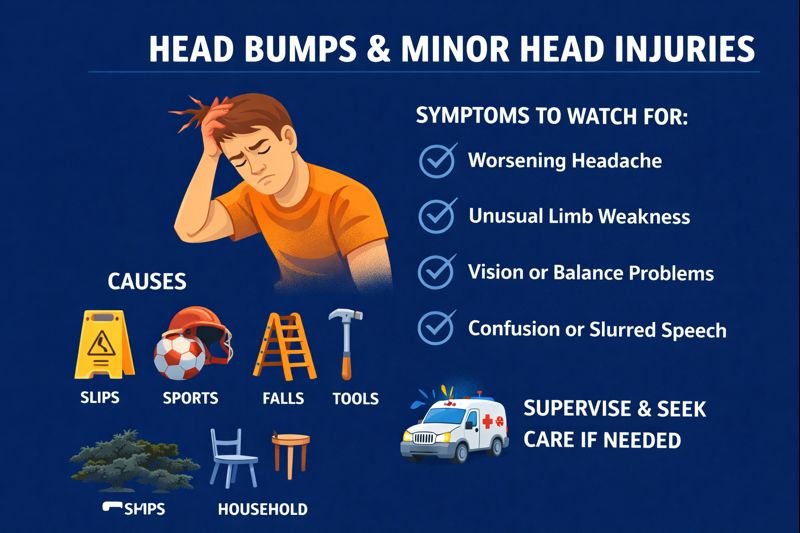
Head bumps and injuries overview

Head Bumps and Minor Head Injuries: What to Watch For and When to Seek Care (Canada)

Head Bumps and Minor Head Injuries: What to Watch For and When to Seek Care (Canada) Understanding Head Bumps & Head Injuries A bump to the head can happen during sports, play, work, recreation, or daily activities. Most minor bumps improve quickly, but some injuries can be more serious. First aid awareness helps people recognize

Head Bumps and Minor Head Injuries: What to Watch For and When to Seek Care (Canada) Read More »

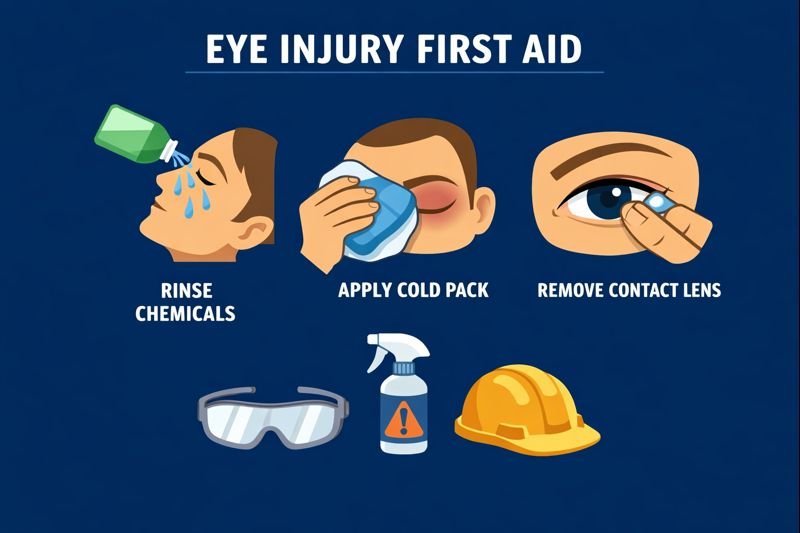
Eye injury first aid guide

Eye Injuries: First Aid, Workplace Relevance, and Prevention in Canada

Eye Injuries: First Aid, Workplace Relevance, and Prevention in Canada What Are Eye Injuries? Eye injuries can happen at work, during sports, at home, or while travelling. They include irritation, bruising, chemical exposure, or objects entering the eye. Even mild injuries can affect comfort and vision, so basic first aid awareness is useful for workplaces

Eye Injuries: First Aid, Workplace Relevance, and Prevention in Canada Read More »

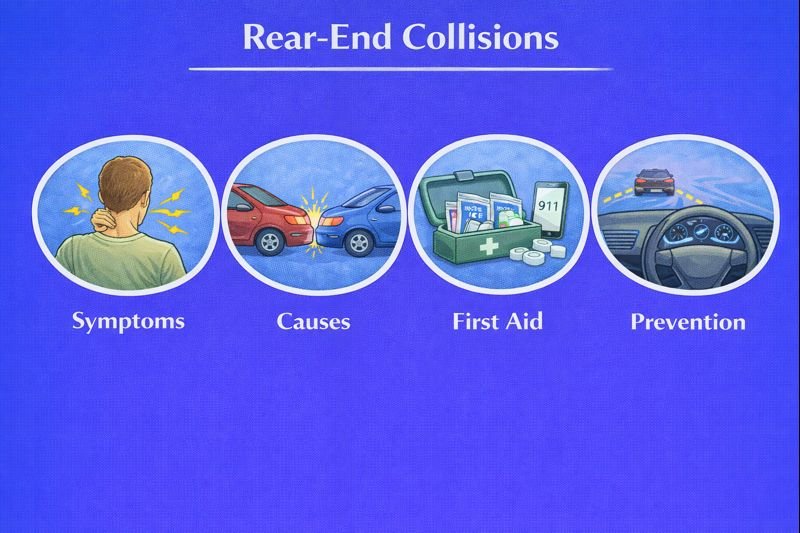
Rear-end collisions symptoms, causes, aid, prevention

Rear-End Collisions: Injury Awareness, First Aid Context & Vehicle Safety Considerations

Rear-End Collisions: Injury Awareness, First Aid Context & Vehicle Safety Considerations Rear-end collisions are among the most common road traffic incidents. Even with good driving habits and seatbelt use, sudden impacts can be surprising and may lead to discomfort or injury. Awareness of possible physical effects and the role of safety systems helps people understand

Rear-End Collisions: Injury Awareness, First Aid Context & Vehicle Safety Considerations Read More »

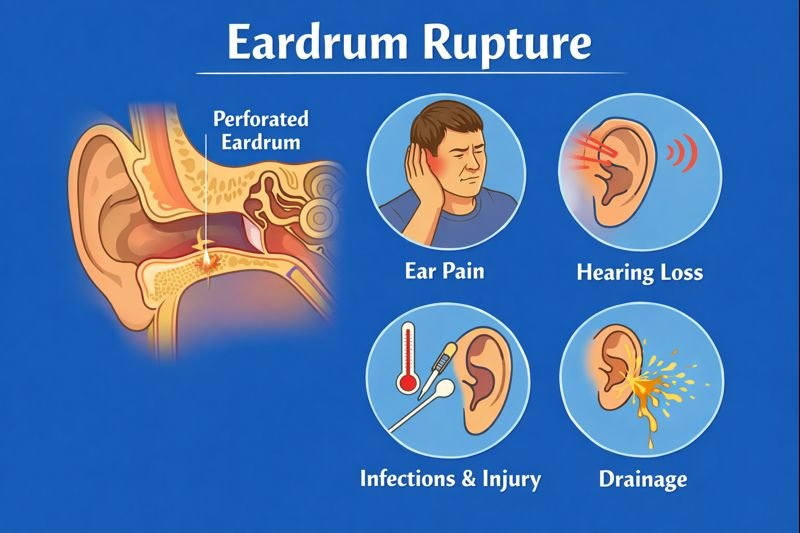
Eardrum rupture causes and symptoms

Eardrum Rupture (Perforated Eardrum): Symptoms, Causes & Prevention

Eardrum Rupture (Perforated Eardrum): Symptoms, Causes & Prevention An eardrum rupture (also called a perforated eardrum) is a small tear or hole in the tympanic membrane—the thin tissue that separates the outer ear canal from the middle ear. This membrane helps transmit sound vibrations, so damage can temporarily affect hearing. Most eardrum ruptures heal naturally

Eardrum Rupture (Perforated Eardrum): Symptoms, Causes & Prevention Read More »

Shopping Cart
Scroll to Top