Environmental Emergencies

Infant hazard safety guide

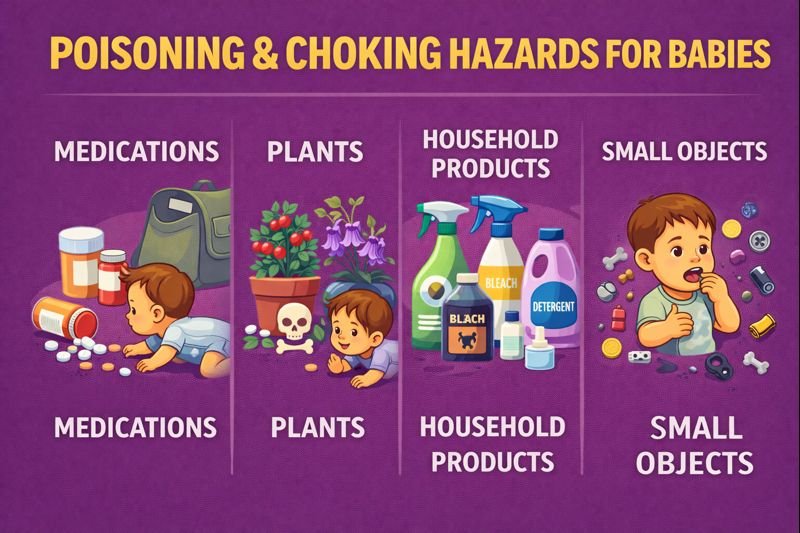
Poisoning & Choking Hazards for Babies: Household Safety Awareness (Canada)

Babies explore the world through touch and taste, and they often place objects in their mouths. As infants become mobile, they can access items on floors, tables, furniture, purses, and cupboards, increasing the risk of both poisoning and choking. Children under age three are at higher risk because their swallowing skills and judgment are still […]

Poisoning & Choking Hazards for Babies: Household Safety Awareness (Canada) Read More »
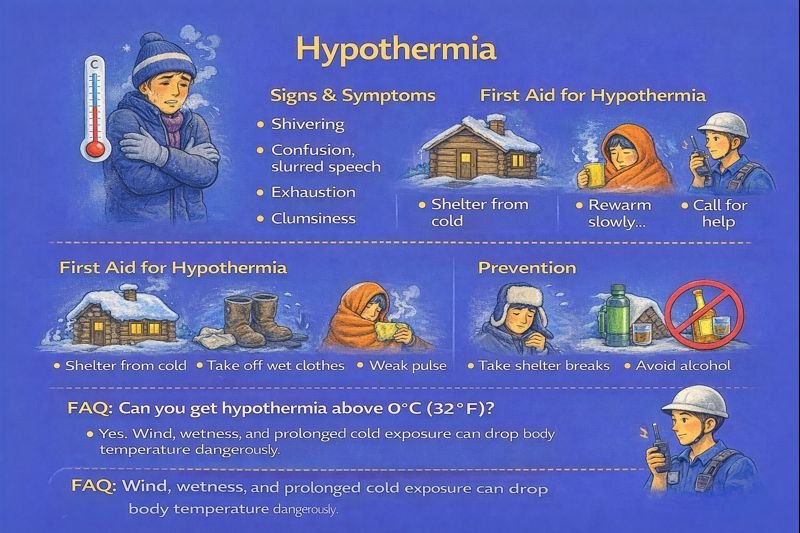
Hypothermia Prevention and first aid guide

Hypothermia: Signs, First Aid Awareness & Cold-Weather Safety (Canada)

Hypothermia occurs when the body loses heat faster than it can produce it, causing the core temperature to drop below about 35°C (95°F). It can start with mild shivering and progress to serious changes in thinking, movement, and consciousness if not addressed. In Canada, where cold weather, wind, and wet conditions are common, hypothermia awareness

Hypothermia: Signs, First Aid Awareness & Cold-Weather Safety (Canada) Read More »

Fire ant sting safety tips

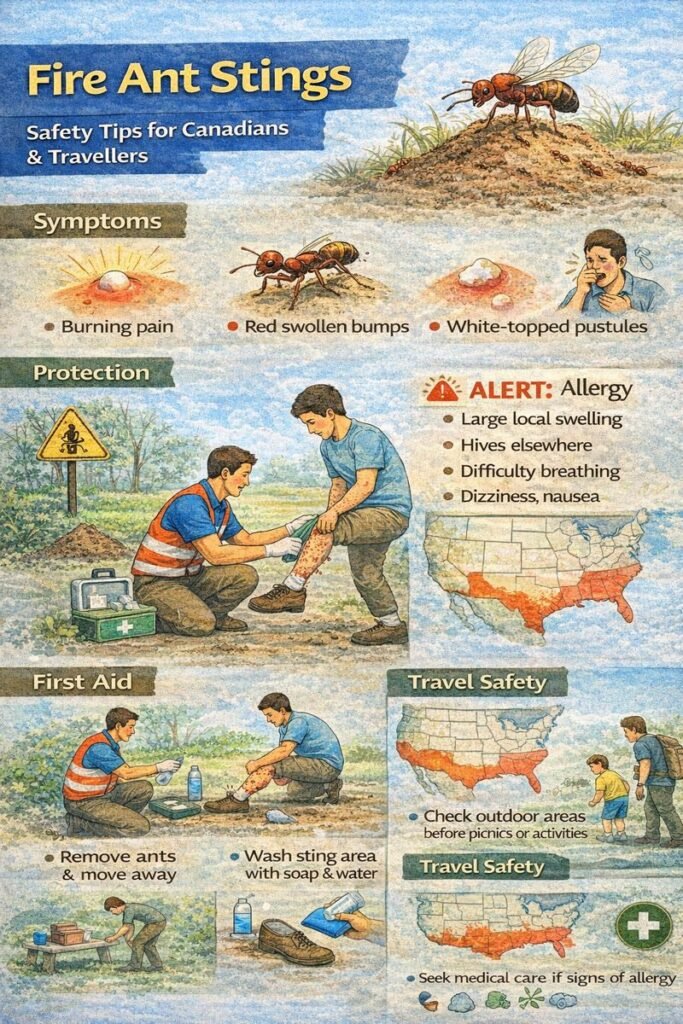
Fire Ant Stings: Symptoms, Prevention & First Aid Awareness (Canada & Travel Context)

Fire ants are aggressive insects that can bite and sting. Their venom can cause burning pain and distinct skin reactions. Most stings are localized, but multiple stings or venom allergies can lead to more serious reactions. Fire ants are not widespread in Canada, but Canadians may encounter them while travelling, relocating, or working in certain

Fire Ant Stings: Symptoms, Prevention & First Aid Awareness (Canada & Travel Context) Read More »

Bee and wasp sting safety tips

Bee, Wasp & Hornet Stings: Symptoms, First Aid Awareness & Allergy Considerations (Canada)

Bee stings are painful and can cause localized redness and swelling in most people. For individuals allergic to insect venom, stings may lead to a more serious reaction, including anaphylaxis. Wasps and hornets can also trigger allergic reactions and can sting more than once because they do not leave their stingers behind. First Aid &

Bee, Wasp & Hornet Stings: Symptoms, First Aid Awareness & Allergy Considerations (Canada) Read More »

Shopping Cart
Scroll to Top