
Breathing Emergencies

Toddler with milk and allergen warning

Milk Allergy in Children: Signs, Prevention & Awareness for Canadian Families

Milk Allergy in Children: Signs, Prevention & Awareness for Canadian Families   Milk allergy is one of the most common food allergies in babies and young children in Canada. It can develop early in life and may occur in both breastfed and formula-fed infants. Some children outgrow the allergy as they age, while others continue […]

Milk Allergy in Children: Signs, Prevention & Awareness for Canadian Families Read More »
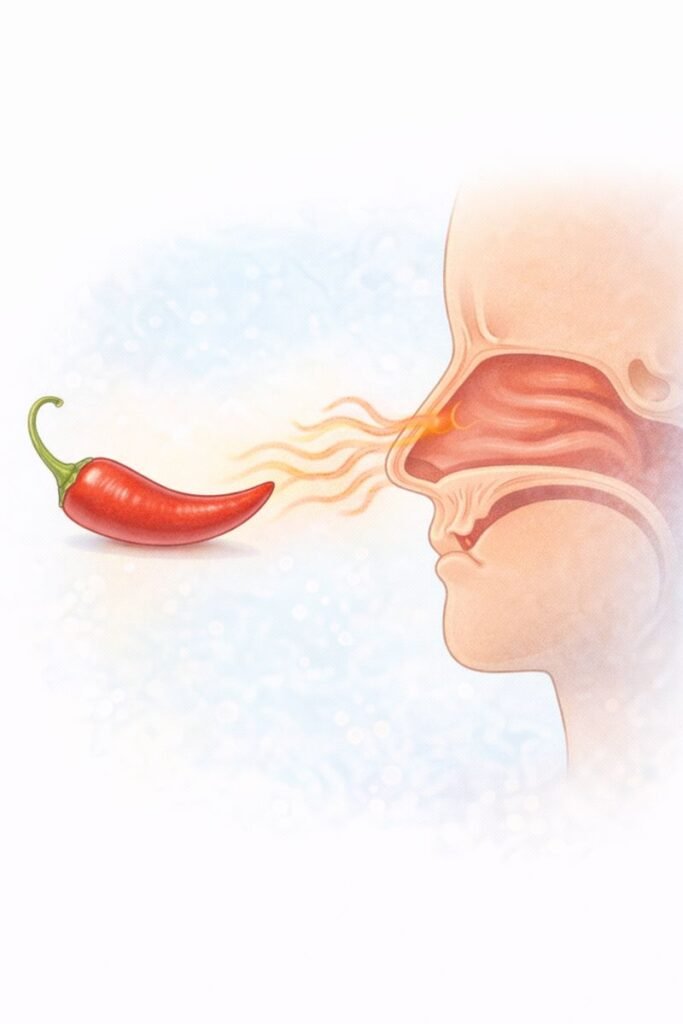
Chili pepper's effect on the nose

Capsaicin, Chili Peppers & Non-Allergic Rhinitis: Understanding the Connection

Capsaicin, Chili Peppers & Non-Allergic Rhinitis: Understanding the Connection Capsaicin is the compound that gives chili and hot red peppers their characteristic heat. When it contacts the skin or mucous membranes, it stimulates pain sensors and causes a warm, tingling, or burning sensation. Although most Canadians associate capsaicin with spicy food, the compound has been

Capsaicin, Chili Peppers & Non-Allergic Rhinitis: Understanding the Connection Read More »

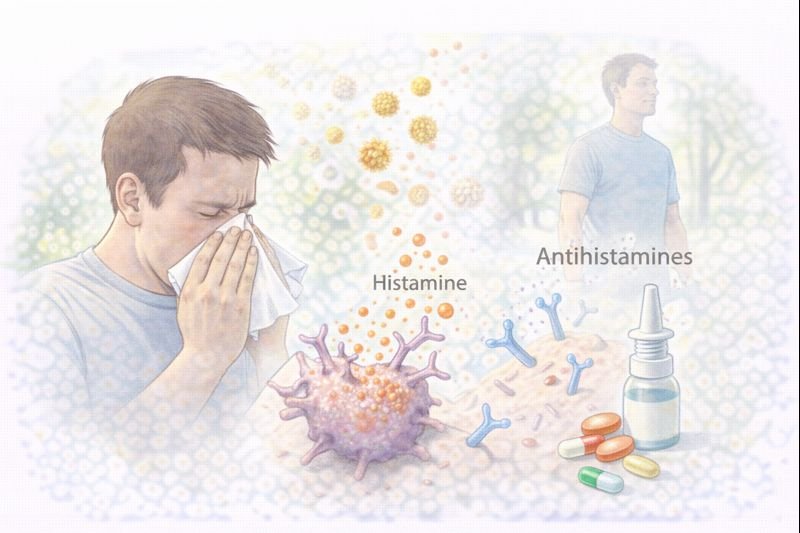
Hay fever and antihistamine treatment breakdown

Antihistamines and Hay Fever: What Canadians Should Know

Antihistamines and Hay Fever: What Canadians Should Know   Many Canadians use antihistamines during allergy seasons to help relieve hay fever symptoms such as sneezing, runny nose, congestion and itchy eyes. If symptoms continue despite treatment, or if allergies begin affecting breathing or day-to-day activities, a healthcare provider may recommend adjustments. Seasonal allergies can also

Antihistamines and Hay Fever: What Canadians Should Know Read More »

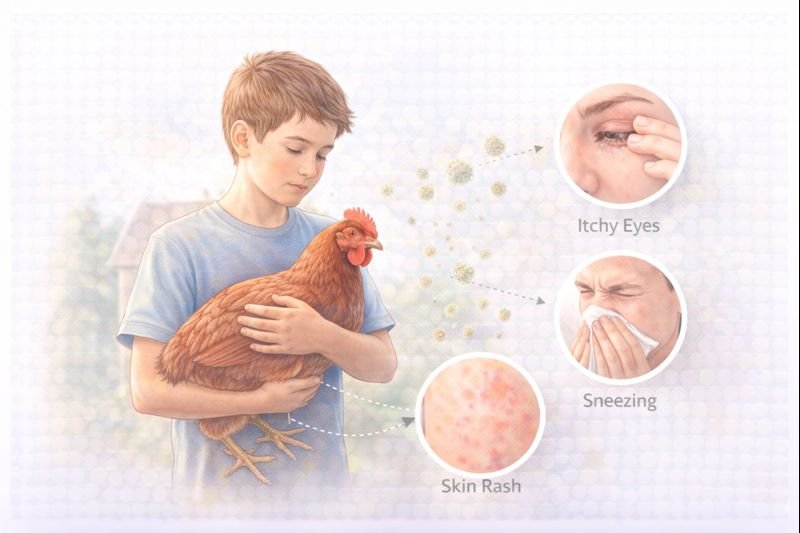
Allergy to Live Chickens: Symptoms, Causes & Management (Canadian Overview)

Allergy to Live Chickens: Symptoms, Causes & Management (Canadian Overview) Live chickens can trigger allergic reactions in some people. Feathers, dander (dead skin cells), saliva, droppings, and dust around coops can all act as allergens. In susceptible individuals, exposure may lead to: Sneezing or runny nose Itchy or watery eyes Coughing or wheezing Skin rashes

Allergy to Live Chickens: Symptoms, Causes & Management (Canadian Overview) Read More »

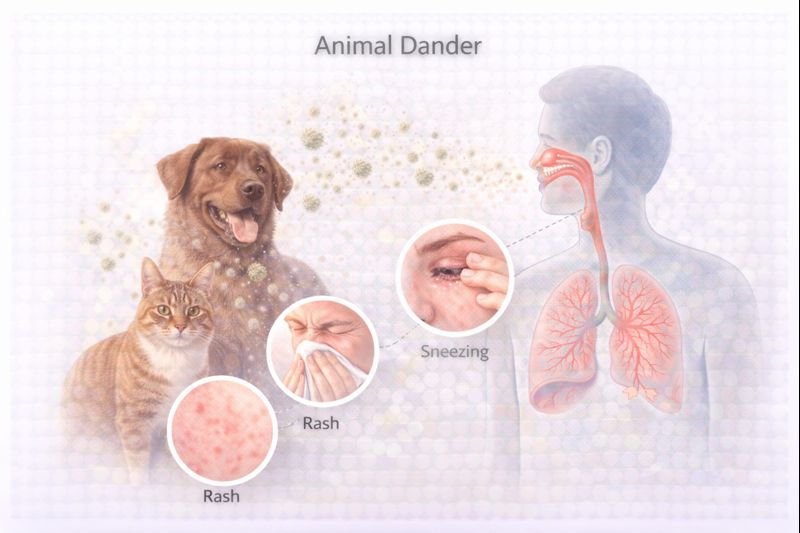
Allergies to pet dander explained

Animal Dander Allergies: Symptoms, Triggers & Management

Animal Dander Allergies: Symptoms, Triggers & Management Animal allergies are common in Canada, particularly allergies related to animal dander (tiny particles of skin, saliva, or urine carried through the air). While not everyone reacts to dander, those who do may experience symptoms ranging from mild irritation to more significant respiratory discomfort. Dander-related allergies are often

Animal Dander Allergies: Symptoms, Triggers & Management Read More »

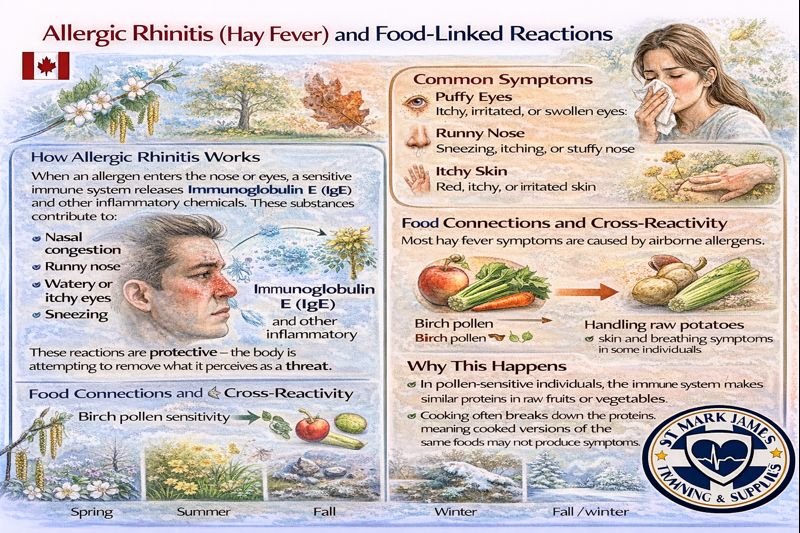
Allergic Rhinitis (Hay Fever) and Food-Linked Reactions

Allergic Rhinitis (Hay Fever) and Food-Linked Reactions   Allergic rhinitis — often called hay fever — causes symptoms such as puffy eyes, runny nose, sneezing, congestion, and itchy skin. It is commonly triggered by airborne allergens like pollen, dust, or animal dander. While most people associate hay fever with spring and summer pollens, food-related reactions

Allergic Rhinitis (Hay Fever) and Food-Linked Reactions Read More »

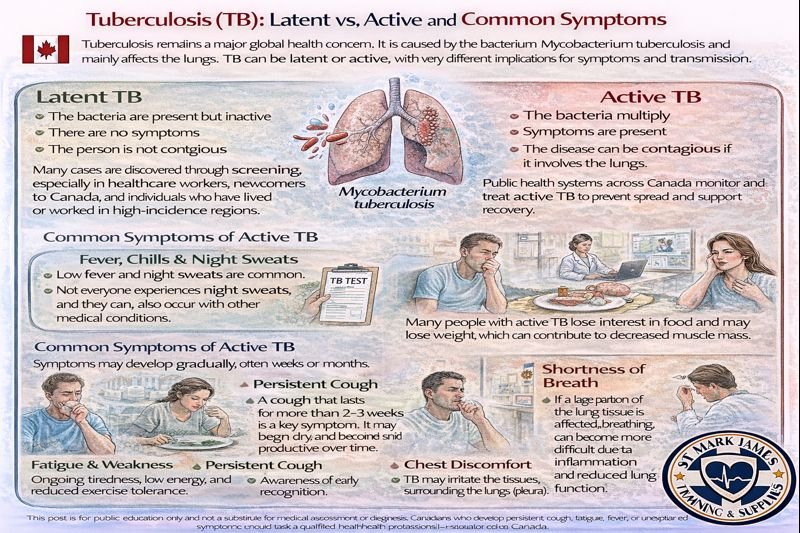
Tuberculosis (TB): Latent vs. Active and Common Symptoms

Tuberculosis (TB): Latent vs. Active and Common Symptoms Tuberculosis remains a major global health concern. It is caused by the bacterium Mycobacterium tuberculosis and mainly affects the lungs. TB can be latent or active, with very different implications for symptoms and transmission. Latent TB In latent TB: The bacteria are present but inactive There are

Tuberculosis (TB): Latent vs. Active and Common Symptoms Read More »

Shopping Cart
Scroll to Top