
Eye Twitching (Eyelid Myokymia): Causes, Triggers, and When to Get Help
 Eye twitching often starts suddenly and without warning, which can make it unsettling—especially in the workplace or during daily activities. While eye twitching is rarely serious, understanding why it happens and when it needs medical attention is important for personal health awareness and first aid education.
This article is intended for general educational purposes only. It does not replace medical assessment or treatment.
What Is Eye Twitching?
Most common eye twitching is called eyelid myokymia. It involves brief, repetitive, involuntary contractions of the muscles in the eyelid. The twitching may:
-
Feel strong to the person experiencing it
-
Be barely noticeable to others
-
Affect the upper or lower eyelid
-
Occur in one eye, though both can be affected
Despite how distracting it feels, this form of twitching is benign and temporary in most cases.
Common Triggers of Eye Twitching
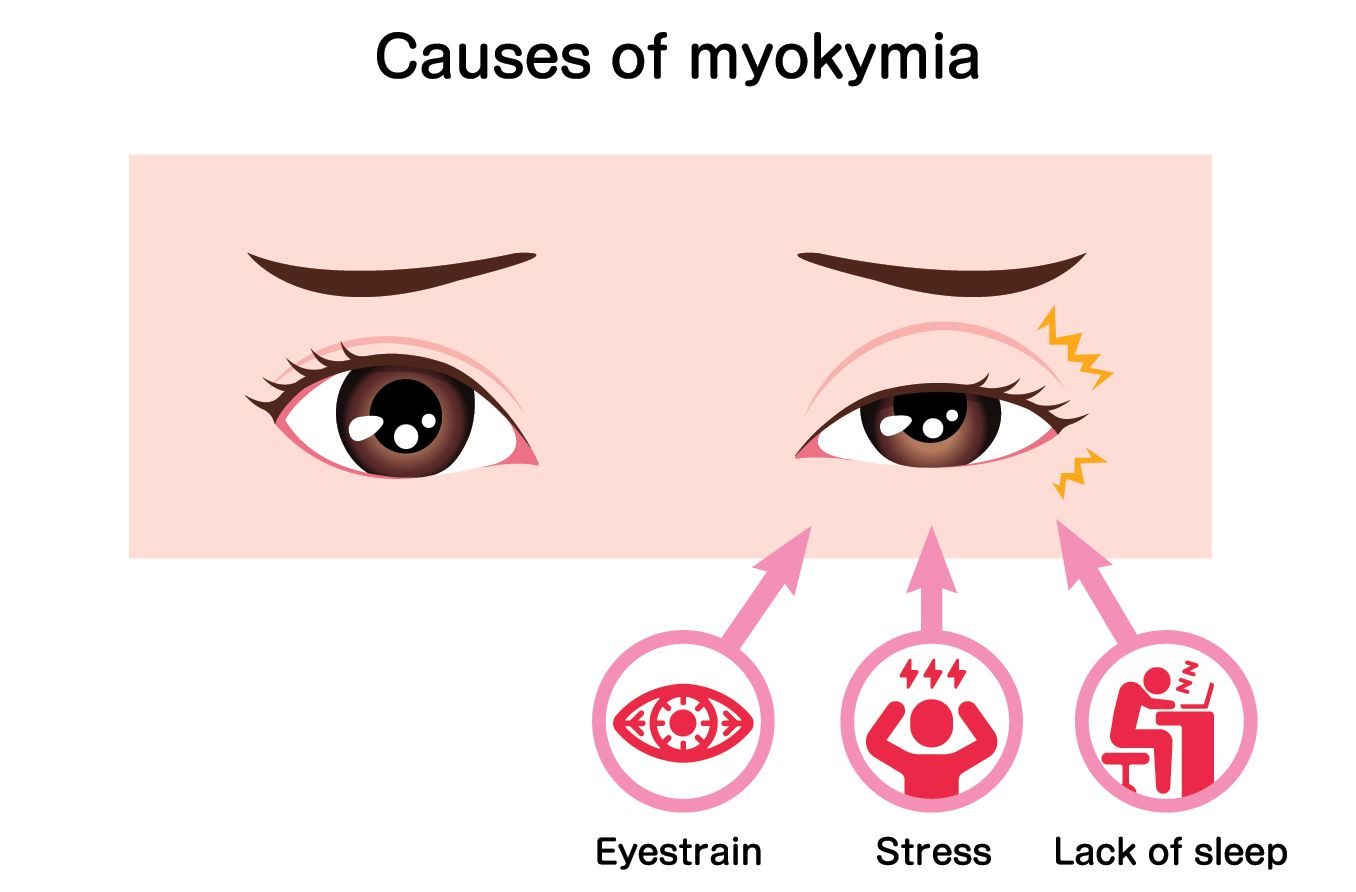
Fatigue and Stress
Lack of sleep and ongoing stress are leading contributors. These are particularly common among:
-
Shift workers
-
Students
-
Office workers using screens for long periods
-
People juggling physically or mentally demanding jobs
Reducing stress and prioritizing rest often resolves twitching within days.
Caffeine Intake
Excess caffeine is a very common trigger. Eye twitching often appears during periods of:
-
Increased coffee or energy drink consumption
-
Higher stress levels paired with caffeine use
Most adults tolerate 200–300 mg of caffeine per day (roughly 2–4 cups of coffee). Exceeding this—especially suddenly—can overstimulate nerves and muscles, leading to twitching.
Hidden caffeine sources include:
-
Some over-the-counter pain medications
-
Certain cold or flu products
-
Energy supplements
Checking labels can be surprisingly helpful.
Eye Strain and Dry Eyes
Prolonged screen use, outdated prescriptions, or dry environments can irritate the eye surface and trigger twitching. Artificial tears and proper screen breaks may reduce symptoms.
Allergies can also inflame the eye surface, making twitching more likely.
Alcohol and Medications
Recent increases in alcohol intake may worsen eyelid twitching. Some medications—including certain antibiotics and bronchodilators—can increase caffeine levels in the body and indirectly contribute to twitching.
When Eye Twitching May Be More Serious
While most eye twitching is harmless, medical assessment is important if any of the following occur:
-
Both eyes involuntarily close repeatedly (possible blepharospasm)
-
Twitching spreads to involve the entire side of the face (possible hemifacial spasm)
-
Twitching persists for several weeks without improvement
-
Drooping eyelid, facial weakness, or vision changes develop
These signs may indicate a neurological condition and should not be ignored.
First Aid and Workplace Safety Considerations
From a first aid and workplace safety perspective:
-
Eye twitching itself is not an emergency
-
Fatigue-related twitching may signal overwork or burnout
-
Visual distraction can affect focus in safety-sensitive roles
Addressing sleep, hydration, stress, and ergonomics supports both eye health and overall safety.
How to Reduce Eye Twitching
Helpful steps include:
-
Getting consistent, adequate sleep
-
Reducing caffeine intake gradually
-
Managing stress through breaks and pacing
-
Using artificial tears if eyes feel dry
-
Ensuring vision prescriptions are up to date
Most cases resolve on their own within days to a few weeks once triggers are addressed.
Key Takeaways
-
Eye twitching is usually harmless and temporary
-
Stress, fatigue, and caffeine are common triggers
-
Most cases resolve without medical treatment
-
Persistent or spreading twitching needs medical evaluation
Educational Disclaimer
This content is provided for general education and first aid awareness only. It is not a substitute for medical advice. Persistent or worsening symptoms should be evaluated by a qualified healthcare professional.