October 2016

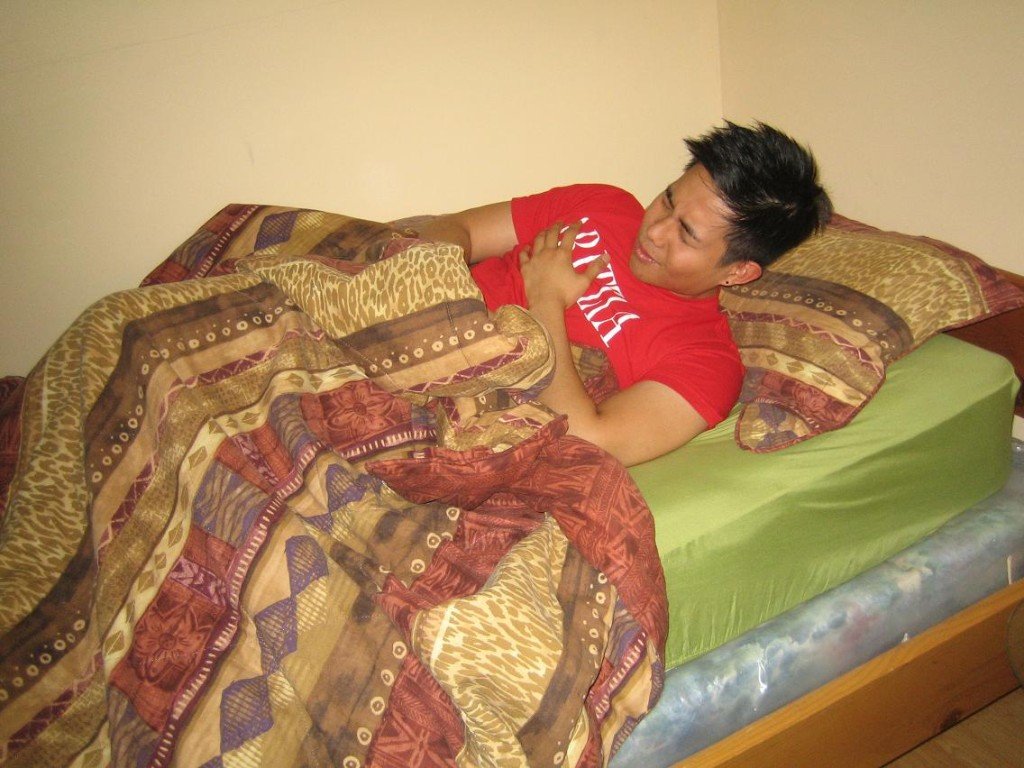
Shortness of Breath (Dyspnea): Causes, Warning Signs, and First Aid Awareness in Canada

Shortness of Breath (Dyspnea): Causes, Warning Signs, and First Aid Awareness in Canada   Shortness of breath, also known as dyspnea, is a common reason Canadians seek medical advice. It is described as the sensation of not getting enough air or feeling unable to breathe comfortably. In many cases, it is harmless—such as after strenuous […]

Shortness of Breath (Dyspnea): Causes, Warning Signs, and First Aid Awareness in Canada Read More »
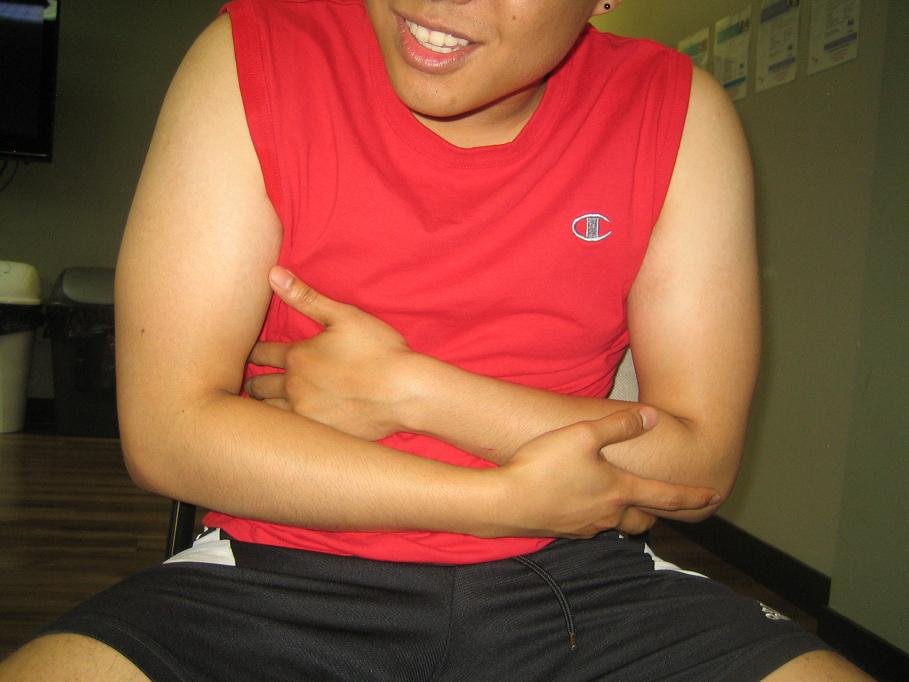
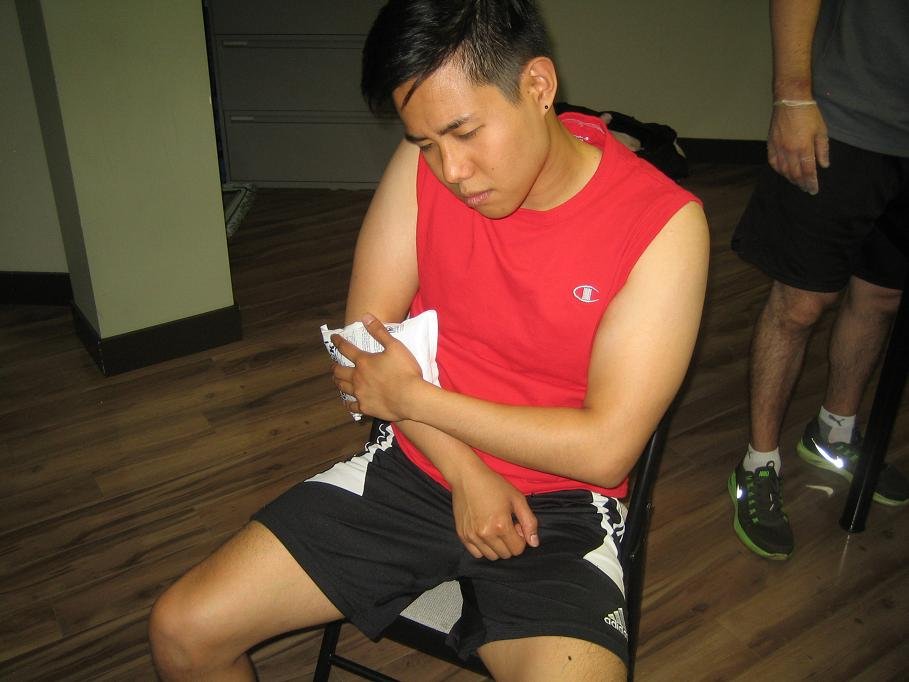
Atrial Fibrillation (AFib): Symptoms, Types, and Why Early Recognition Matters

Atrial Fibrillation (AFib): Symptoms, Types, and Why Early Recognition Matters   Atrial fibrillation (AFib) is a common heart rhythm disorder that affects many Canadians. Some individuals experience noticeable symptoms, while others may have no symptoms at all and only learn they have AFib during a routine medical examination. AFib can occur in people with existing

Atrial Fibrillation (AFib): Symptoms, Types, and Why Early Recognition Matters Read More »

Tennis Elbow (Lateral Epicondylitis): Treatment, Recovery, and First Aid Considerations

Tennis Elbow (Lateral Epicondylitis): Treatment, Recovery, and First Aid Considerations   Tennis elbow, medically known as lateral epicondylitis, is a common overuse injury that affects the tendons on the outside of the elbow. It often develops from repetitive gripping, lifting, or wrist movements and is not limited to tennis players—many Canadians develop it through work,

Tennis Elbow (Lateral Epicondylitis): Treatment, Recovery, and First Aid Considerations Read More »

Cirrhosis: Causes, Symptoms, Management, and First Aid Awareness in Canada

Cirrhosis: Causes, Symptoms, Management, and First Aid Awareness in Canada   Cirrhosis is a serious, progressive condition in which healthy liver tissue is gradually replaced by scar tissue. This scarring interferes with normal liver function, including the production of clotting factors, which increases the risk of bleeding and easy bruising. As cirrhosis worsens, bile and

Cirrhosis: Causes, Symptoms, Management, and First Aid Awareness in Canada Read More »
Malaria: Symptoms, Treatment, Prevention, and First Aid Awareness for Canadians

Malaria: Symptoms, Treatment, Prevention, and First Aid Awareness for Canadians   Malaria is a serious and potentially life-threatening illness caused by parasites transmitted through the bite of an infected mosquito. While malaria does not occur naturally in Canada, Canadians may be exposed when travelling to regions where malaria is endemic. In rare cases, malaria can

Malaria: Symptoms, Treatment, Prevention, and First Aid Awareness for Canadians Read More »

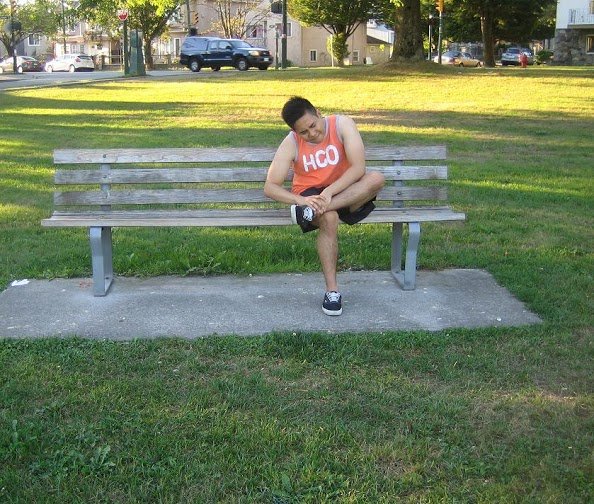
Sprained Ankle: First Aid, Recovery, and When to Seek Medical Care

Sprained Ankle: First Aid, Recovery, and When to Seek Medical Care   A sprained ankle is one of the most common musculoskeletal injuries treated in Canadian clinics and emergency departments. It occurs when one or more of the ligaments that stabilize the ankle joint are stretched or torn, usually due to sudden twisting or rolling

Sprained Ankle: First Aid, Recovery, and When to Seek Medical Care Read More »

Diabetes: Signs, Management, and First Aid Awareness in Canada

Diabetes: Signs, Management, and First Aid Awareness in Canada   Diabetes is a chronic medical condition that occurs when blood sugar (glucose) levels remain consistently high. Glucose is the body’s primary source of energy, and its regulation depends on the hormone insulin, which is produced by the pancreas. In people with diabetes, the body either

Diabetes: Signs, Management, and First Aid Awareness in Canada Read More »
Dislocated Shoulder: First Aid Response, Treatment, and Recovery

Dislocated Shoulder: First Aid Response, Treatment, and Recovery   A dislocated shoulder most commonly occurs after falling onto an outstretched arm. In this injury, the ball of the upper arm bone (humerus) is forced out of the shoulder socket. Once properly treated and restored into place, recovery usually takes 12–16 weeks, depending on severity. The

Dislocated Shoulder: First Aid Response, Treatment, and Recovery Read More »

Shopping Cart
Scroll to Top

  • All stmarkjamestraining.ca content is reviewed by a medical professional and / sourced to ensure as much factual accuracy as possible.

  • We have strict sourcing guidelines and only link to reputable websites, academic research institutions and medical articles.

  • If you feel that any of our content is inaccurate, out-of-date, or otherwise questionable, please contact us through our contact us page.

The information posted on this page is for educational purposes only.
If you need medical advice or help with a diagnosis contact a medical professional