January 2016

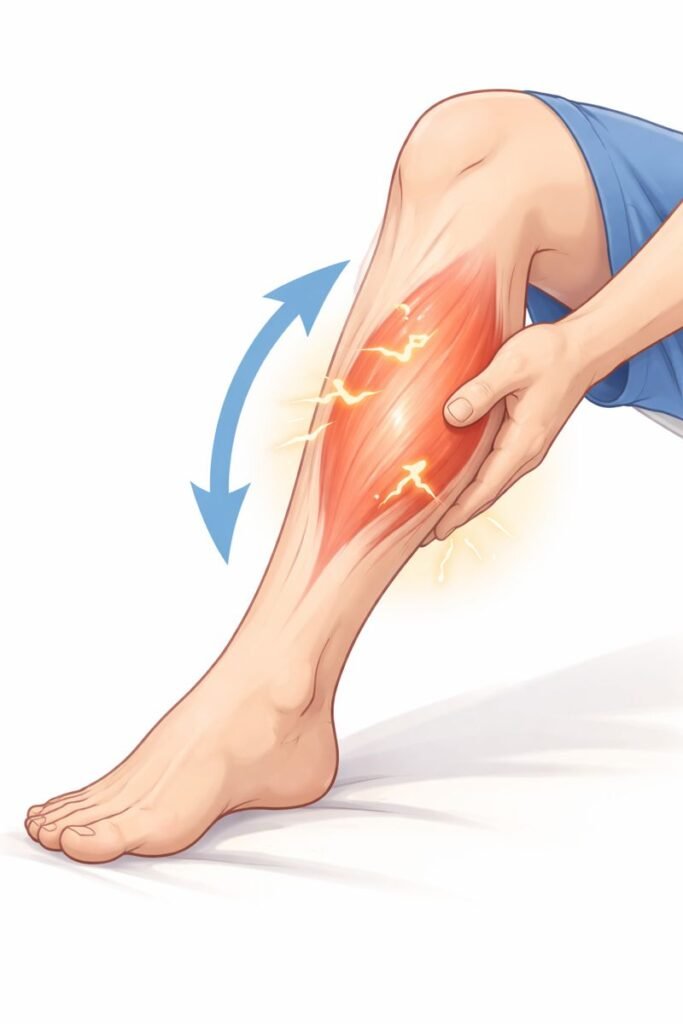
Muscle Spasms (Cramps) in Everyday Life: Causes, First Aid & Prevention for Canadians

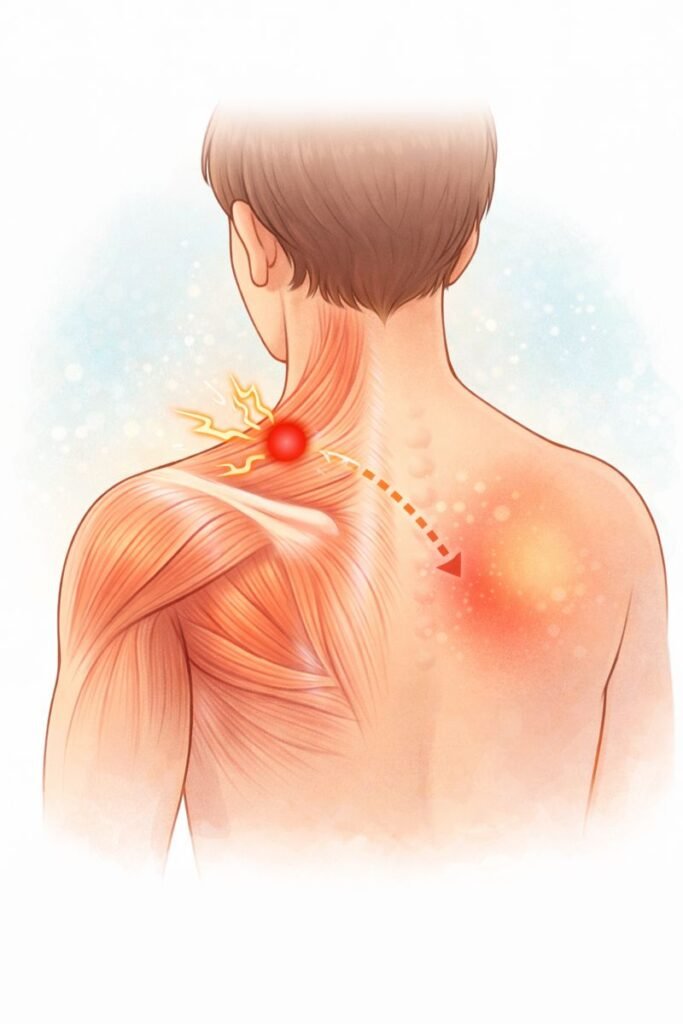
Muscle Spasms (Cramps) in Everyday Life: Causes, First Aid & Prevention for Canadians Muscle spasms — often called cramps — occur when muscles contract involuntarily and cannot relax immediately. They can appear during exercise, work, sleep, or rest, and range from small twitches to sudden tightness. Common areas include the calves, thighs, feet, hands, abdomen, […]

Muscle Spasms (Cramps) in Everyday Life: Causes, First Aid & Prevention for Canadians Read More »

Toddler with milk and allergen warning

Milk Allergy in Children: Signs, Prevention & Awareness for Canadian Families

Milk Allergy in Children: Signs, Prevention & Awareness for Canadian Families   Milk allergy is one of the most common food allergies in babies and young children in Canada. It can develop early in life and may occur in both breastfed and formula-fed infants. Some children outgrow the allergy as they age, while others continue

Milk Allergy in Children: Signs, Prevention & Awareness for Canadian Families Read More »

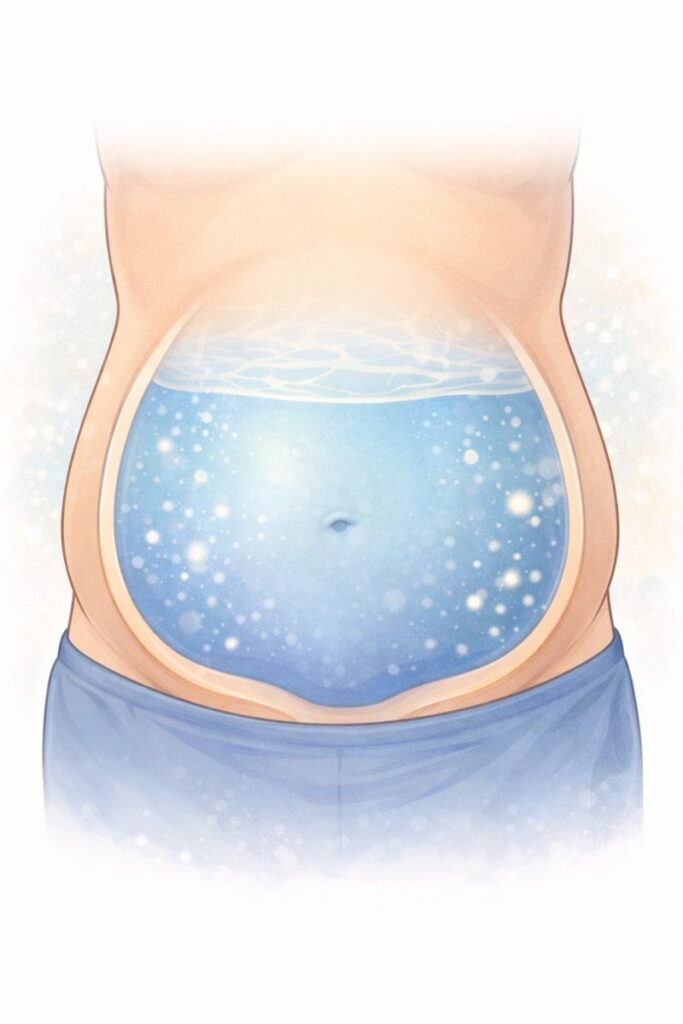
Ascites: Understanding Causes, Symptoms & Management for Canadians

Ascites: Understanding Causes, Symptoms & Management for Canadians Ascites refers to the abnormal buildup of fluid inside the abdominal cavity. It is most often associated with cirrhosis of the liver, making it a common complication for people living with advanced liver disease. Symptoms People with ascites may develop: A noticeably enlarged abdomen Rapid or unexplained

Ascites: Understanding Causes, Symptoms & Management for Canadians Read More »

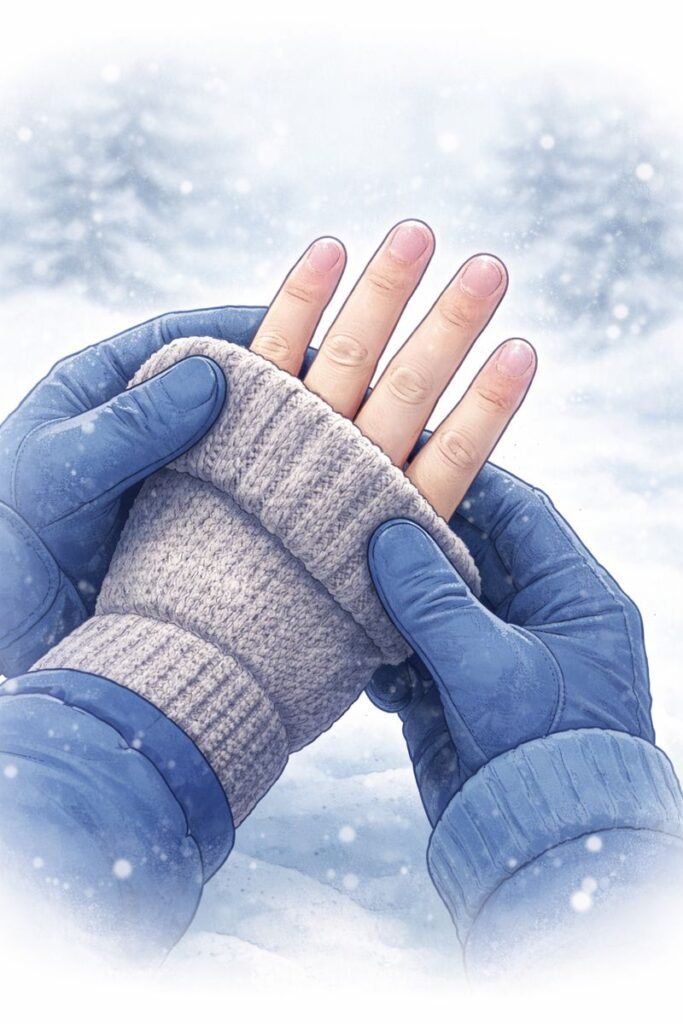
Frostbite in Canada: Causes, Symptoms & First Aid Awareness

Frostbite in Canada: Causes, Symptoms & First Aid Awareness Frostbite occurs when tissues in the body freeze due to prolonged exposure to extreme cold temperatures or cold water. In Canada, winter weather, wind chill, and outdoor activity make frostbite and hypothermia important safety considerations. If the body temperature drops too low, hypothermia can develop. Both

Frostbite in Canada: Causes, Symptoms & First Aid Awareness Read More »

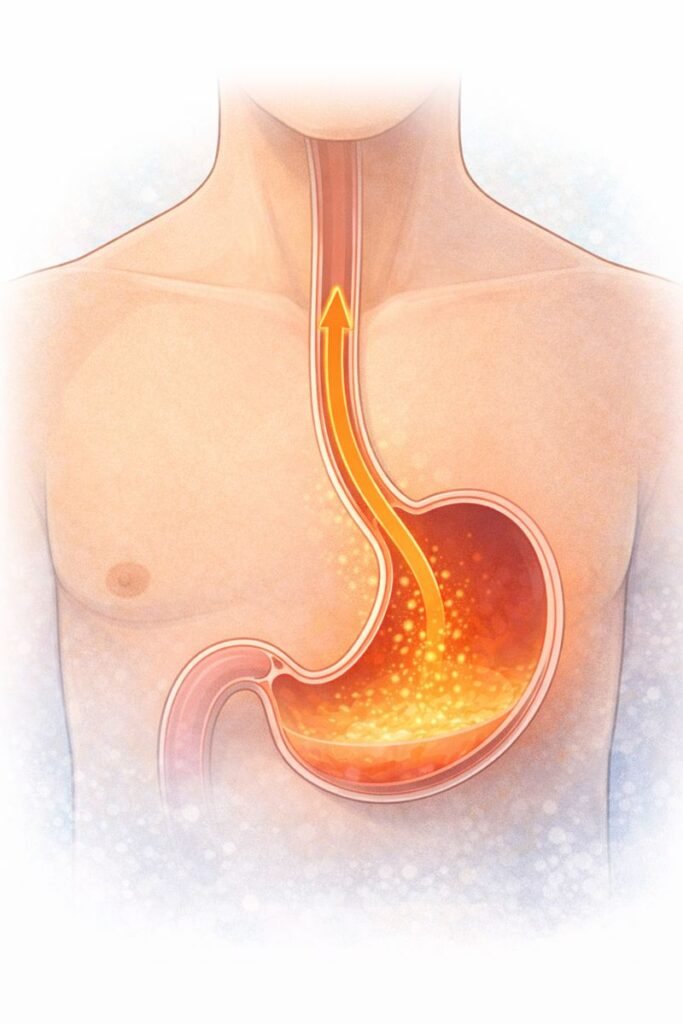
Heartburn in Canadians: Causes, Symptoms & Lifestyle Management

Heartburn in Canadians: Causes, Symptoms & Lifestyle Management   Heartburn happens when stomach acid moves upward into the esophagus, causing a burning sensation behind the breastbone that may extend to the throat or neck. Some people notice a sour or bitter taste in the mouth. Heartburn may last only a few minutes but can continue

Heartburn in Canadians: Causes, Symptoms & Lifestyle Management Read More »

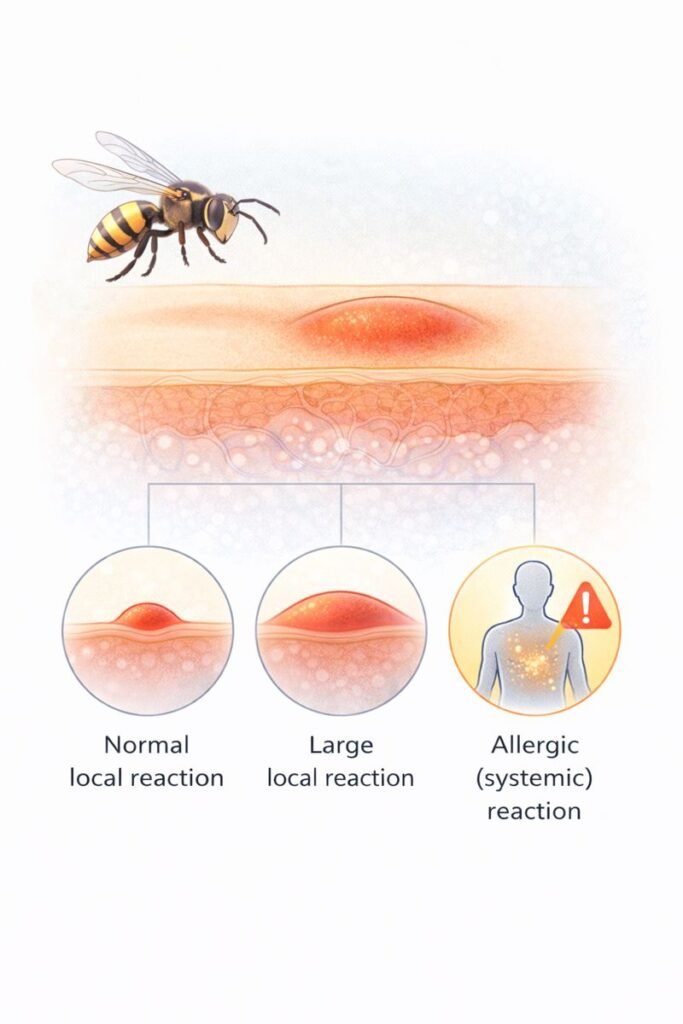
Insect Sting Allergies in Canada: Reactions, Symptoms & First Aid Awareness

Insect Sting Allergies in Canada: Reactions, Symptoms & First Aid Awareness   Insect sting allergy occurs when the immune system overreacts to venom from stinging insects. In Canada, reactions may follow stings from: Bees Wasps Hornets Yellow jackets Fire ants (less common in most regions but included in allergy literature) Most insect stings do not

Insect Sting Allergies in Canada: Reactions, Symptoms & First Aid Awareness Read More »

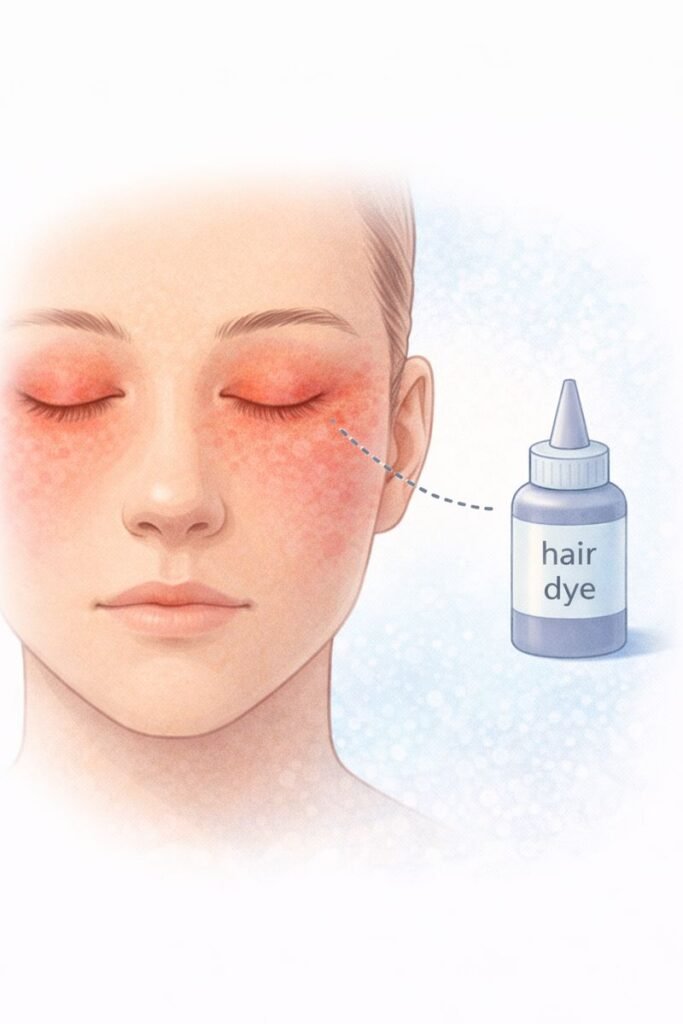
Facial Rash After Hair Dye: Causes, Allergy Signs & What Canadians Should Know

Facial Rash After Hair Dye: Causes, Allergy Signs & What Canadians Should Know Some people notice a facial rash within days of colouring their hair. While there are many possible causes, hair dye is a common trigger. Because reactions may develop suddenly — even in people who have used the same product for years —

Facial Rash After Hair Dye: Causes, Allergy Signs & What Canadians Should Know Read More »

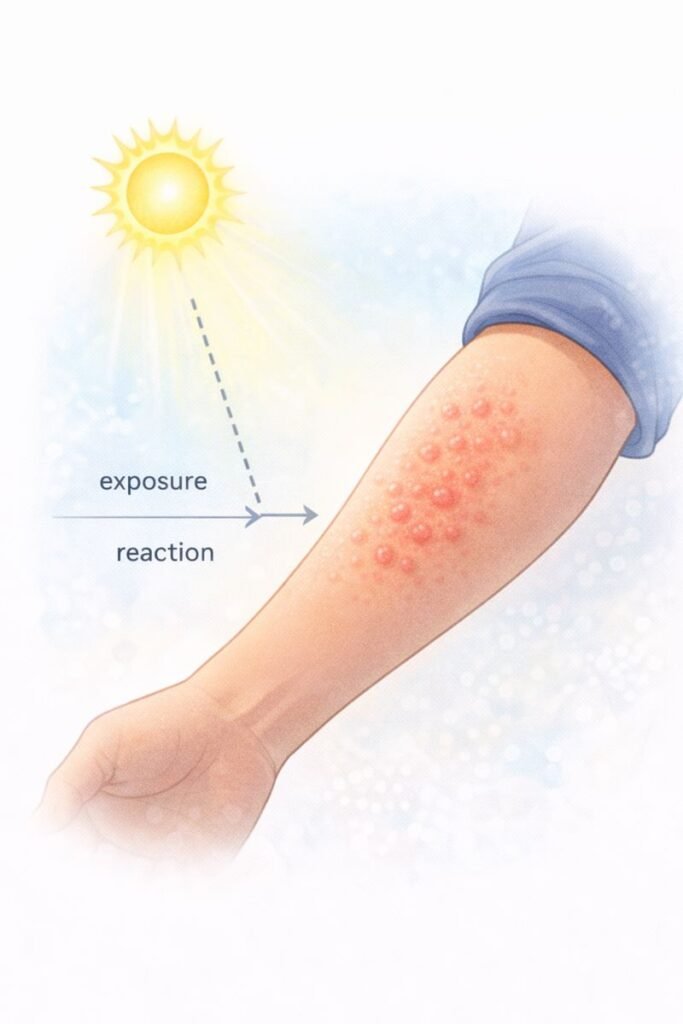
Solar Urticaria: Understanding Sun-Triggered Hives in Canadians

Solar Urticaria: Understanding Sun-Triggered Hives in Canadians Physical urticaria occurs when hives are triggered by a physical factor such as heat, cold, pressure, water, exercise, or sunlight. Some individuals with chronic hives (chronic urticaria) have an identifiable physical trigger. Solar urticaria is a form of chronic hives triggered by sunlight. After sun exposure, the affected

Solar Urticaria: Understanding Sun-Triggered Hives in Canadians Read More »

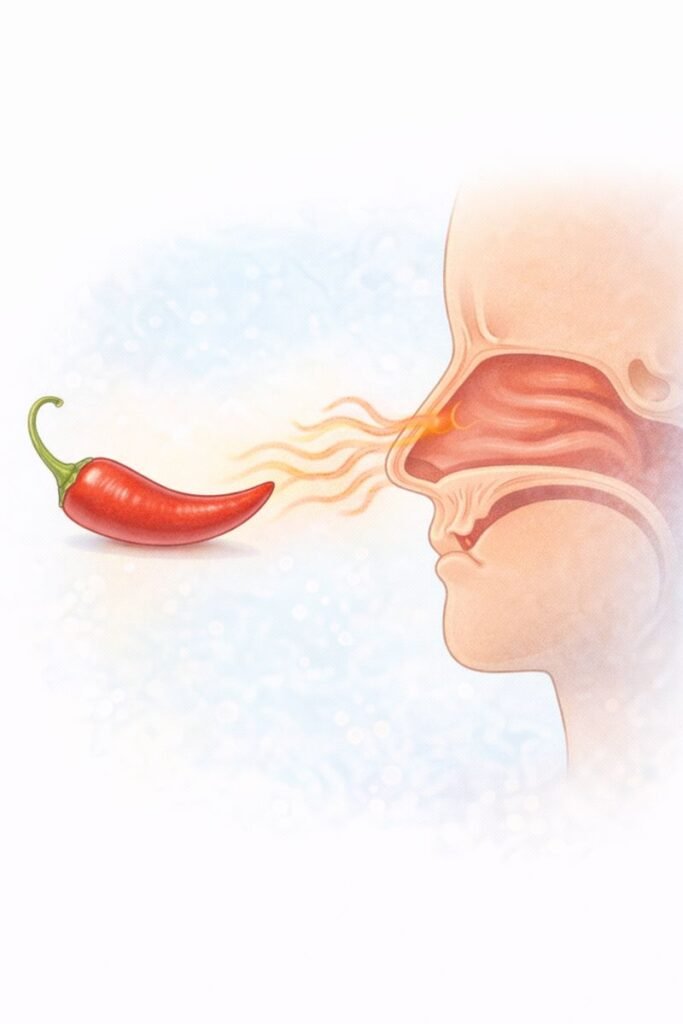
Chili pepper's effect on the nose

Capsaicin, Chili Peppers & Non-Allergic Rhinitis: Understanding the Connection

Capsaicin, Chili Peppers & Non-Allergic Rhinitis: Understanding the Connection Capsaicin is the compound that gives chili and hot red peppers their characteristic heat. When it contacts the skin or mucous membranes, it stimulates pain sensors and causes a warm, tingling, or burning sensation. Although most Canadians associate capsaicin with spicy food, the compound has been

Capsaicin, Chili Peppers & Non-Allergic Rhinitis: Understanding the Connection Read More »

Shopping Cart
Scroll to Top

  • All stmarkjamestraining.ca content is reviewed by a medical professional and / sourced to ensure as much factual accuracy as possible.

  • We have strict sourcing guidelines and only link to reputable websites, academic research institutions and medical articles.

  • If you feel that any of our content is inaccurate, out-of-date, or otherwise questionable, please contact us through our contact us page.

The information posted on this page is for educational purposes only.
If you need medical advice or help with a diagnosis contact a medical professional