
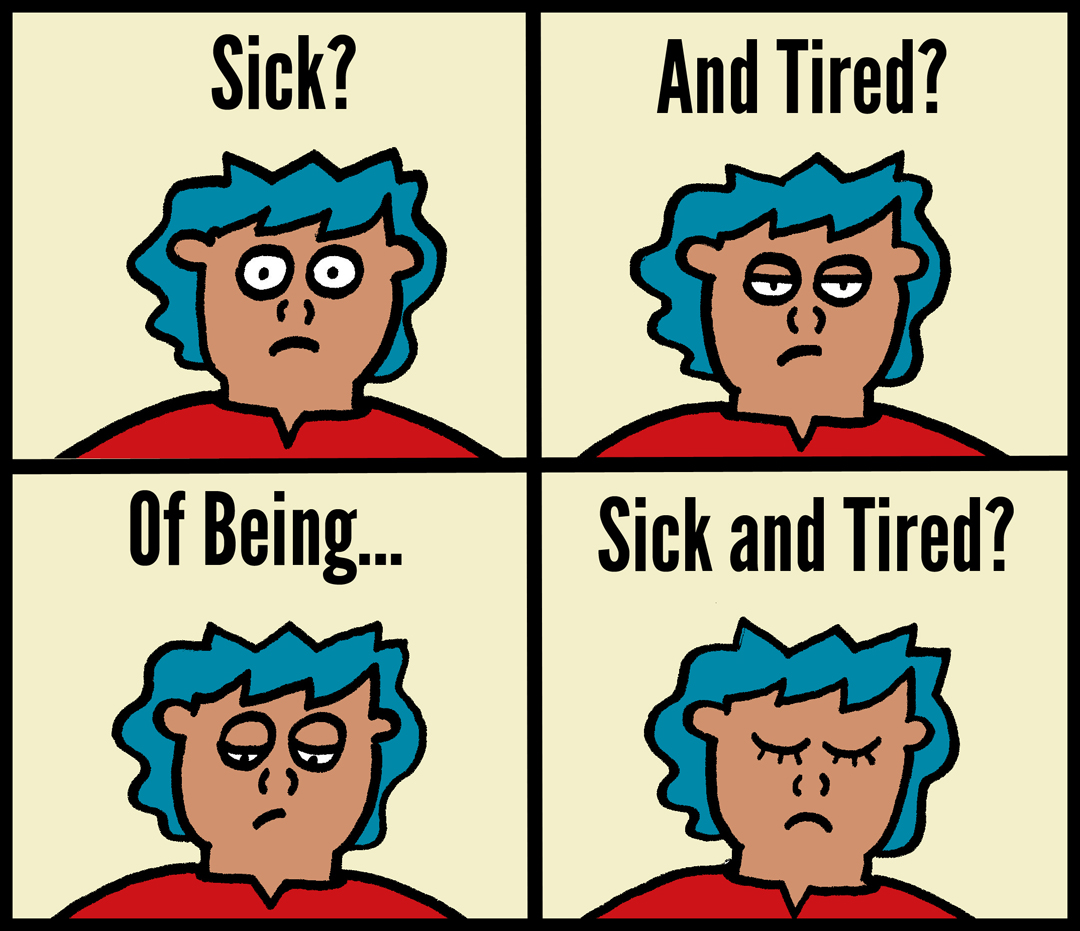
Malaise is a medical term used to describe a general feeling of discomfort, weakness, or not feeling well, often without a clearly identifiable cause. People experiencing malaise may feel as though they are “coming down with something,” yet rest does not restore their sense of well-being.
Malaise can develop suddenly or gradually and may last for days or even weeks. In Canada, malaise is a common reason individuals seek medical advice or present concerns during first aid assessments, as it often accompanies infections, chronic illness, or systemic stress on the body.
Possible Causes of Malaise
Malaise is not a condition on its own—it is a symptom that can arise when the body is responding to illness, injury, or physiological stress.
Medical Conditions

Many acute and chronic conditions can trigger malaise. A healthcare professional should be consulted to determine the underlying cause.
Musculoskeletal disorders frequently cause a persistent sense of discomfort and unease. Malaise is commonly reported among individuals with joint conditions such as rheumatoid arthritis and osteoarthritis.
Acute and systemic illnesses that may cause malaise include:
-
Lyme disease
-
Fibromyalgia
-
Hepatitis
-
HIV/AIDS
Chronic health conditions associated with malaise include:
-
Kidney disease
-
Severe anemia
-
Diabetes
-
Congestive heart failure
-
Chronic obstructive pulmonary disease (COPD)
-
Liver disease
Medications
Certain medications may contribute to feelings of malaise, including:
-
Antihistamines
-
Anticonvulsants
-
Some psychiatric medications
-
Medications used to manage high blood pressure and heart disease
When to See a Doctor
Medical advice should be sought if:
-
Malaise lasts longer than 7 days
-
The feeling becomes overwhelming or interferes with daily activities
-
Malaise is accompanied by symptoms such as fever, pain, weight loss, shortness of breath, or dizziness
A healthcare provider can determine whether further testing is required and recommend appropriate treatment.
Managing Malaise
Because malaise has many possible causes, treatment focuses on addressing the underlying condition rather than the symptom itself.
General strategies that may help reduce malaise include:
-
Getting adequate rest
-
Reducing physical and emotional stress
-
Engaging in light, regular physical activity as tolerated
-
Maintaining a balanced, nutritious diet
Tracking symptoms can be helpful. Keeping a simple journal of physical symptoms, energy levels, and daily activities may assist healthcare providers in identifying patterns or triggers.
Important Disclaimer
Educational Use Only
This content is intended for general health awareness and first aid education in Canada. It is not a substitute for medical diagnosis or treatment. Persistent or unexplained malaise should always be assessed by a qualified healthcare professional.
About The Author

Mark Kascha
Certified First Aid Instructor Trainer with 30+ years of real-world experience, including lifeguarding, workplace emergency response, and first aid program development across Canada. Has worked with WorkSafeBC, WSIB, and Manitoba Health.
👉 [View full credentials]🔗 View LinkedIn Profile
Last reviewed: March 2026