
Cycling is an excellent form of aerobic exercise that improves cardiovascular health, endurance, and overall fitness. However, shortness of breath while cycling should never be ignored—especially if it feels intense, unusual, or out of proportion to the effort.
While mild breathlessness can occur with exertion, ongoing or severe breathing difficulty may signal an underlying medical issue that requires assessment. From a first aid, CPR, and workplace safety perspective, recognizing when shortness of breath is abnormal is essential for early intervention and prevention of emergencies.
Signs and Symptoms to Watch For
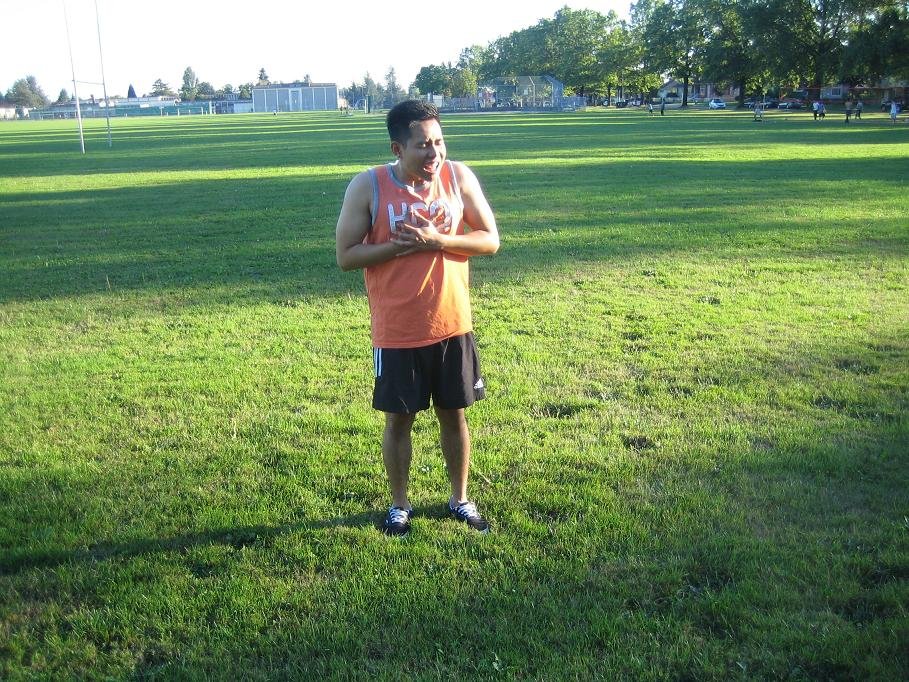
Some people notice breathing issues:
-
Within minutes of starting exercise
-
Near the end of a ride
-
After finishing physical activity
Concerning symptoms include:
-
Shortness of breath that feels restrictive
-
Coughing or wheezing
-
Chest tightness or pressure
-
Fatigue out of proportion to effort
-
Reduced performance or early exhaustion
⚠️ These symptoms are not the same as being “out of shape” or catching your breath after hard effort—especially if they occur repeatedly.
Factors that may worsen symptoms include:
-
Cold or dry weather
-
Air pollution or wildfire smoke
-
Respiratory infections
-
Allergens
-
Poor baseline fitness
Exercise-Induced Asthma (EIB)
One of the most common causes of breathing difficulty during cycling is exercise-induced asthma, also called exercise-induced bronchoconstriction.
This occurs when:
-
The small airways (bronchi) tighten and narrow
-
Mucus builds up in the air passages
-
Airflow becomes restricted during physical exertion
Cold air, dry conditions, or irritants can further irritate the lungs. Unlike chronic asthma, exercise itself is the primary trigger.
Typical symptoms include:
-
Wheezing during or after exercise
-
Tightness in the chest
-
Persistent coughing
-
Difficulty taking a deep breath
Exercise-induced asthma can affect anyone, including people with no prior asthma diagnosis.
Other Possible Causes of Shortness of Breath While Cycling
Although exercise-induced asthma is common, other causes must be considered:
Poor Conditioning
If someone is new to cycling or returning after a break, breathlessness may occur as the body adapts. Gradual increases in intensity and duration usually help.
Cold Air Sensitivity
Cold, dry air can irritate airways. If symptoms improve during indoor cycling, cold exposure may be a contributing factor.
Heart or Lung Conditions
Shortness of breath can be a warning sign of:
-
Heart disease or angina
-
Lung conditions such as COPD
-
Anemia
-
Allergic reactions
Medication Side Effects
Certain medications may affect breathing or exercise tolerance.
🚨 If shortness of breath occurs suddenly, worsens, or happens during light activity or rest, medical evaluation is essential.
Management and Medical Assessment
When symptoms occur, a healthcare provider may:
-
Assess lung function
-
Screen for allergies
-
Evaluate heart health
-
Review medications
If asthma is suspected:
-
A rescue inhaler may be prescribed for use before exercise
-
Long-term medications may be needed if symptoms are frequent
Untreated asthma attacks can become dangerous and may lead to lasting airway narrowing if ignored.
First Aid & Safety Considerations
During cycling or physical activity:
-
Stop exercise if breathing becomes difficult
-
Sit upright and try to slow breathing
-
Use prescribed inhalers if available
-
Seek emergency care if breathing does not improve, chest pain develops, or dizziness occurs
Understanding breathing distress is a key part of Canadian first aid and CPR education, especially for sports, recreation, and workplace environments.
Educational Disclaimer
This content is intended for public education only and does not replace medical advice. Anyone experiencing unexplained or persistent shortness of breath should consult a healthcare professional.
About The Author

Mark Kascha
Certified First Aid Instructor Trainer with 30+ years of real-world experience, including lifeguarding, workplace emergency response, and first aid program development across Canada. Has worked with WorkSafeBC, WSIB, and Manitoba Health.
Last reviewed: March 2026