
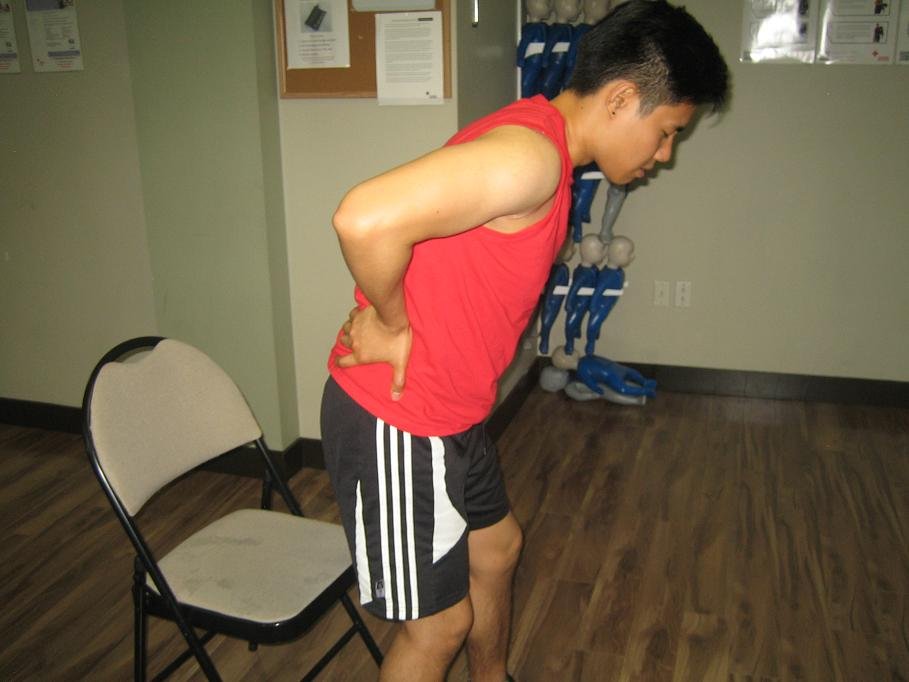
Sciatica refers to pain that travels along the path of the sciatic nerve — running from the lower back through the buttock and down the leg toward the foot. Compression of the sciatic nerve can occur in several locations, resulting in sharp, burning, or radiating pain that may worsen with movement.
Managing the underlying cause of sciatica is the most effective long-term approach. Conservative care often includes rest, cold therapy, anti-inflammatory medications, physical therapy, and in some cases medical injections. A healthcare professional should assess persistent or worsening symptoms to rule out serious neurological or spinal issues.
Note: Individuals should avoid self-diagnosing sciatica, as leg pain can sometimes indicate vascular, muscular, or referred injury patterns that require different treatment approaches.
NSAIDs Commonly Used for Sciatica Relief
✔ Ibuprofen
Ibuprofen is one of the most frequently used non-steroidal anti-inflammatory drugs (NSAIDs) for sciatica-related pain. It works by reducing inflammation and interrupting the chemical signals that trigger pain along the sciatic nerve.
Ibuprofen is available over-the-counter in Canada, but should be avoided by individuals with:
-
kidney disease
-
heart conditions
-
liver disease
-
stomach ulcers or gastrointestinal disorders
Seek medical attention if symptoms such as chest pain, abdominal pain, jaundice, dark urine, clay-coloured stools, slurred speech, or stiff neck occur.
✔ Naproxen
Naproxen is another NSAID often prescribed for moderate to severe sciatica symptoms. It functions similarly to ibuprofen but may provide longer-lasting relief for some individuals.
As with other NSAIDs, naproxen can irritate the digestive tract and may increase the risk of ulceration or gastrointestinal bleeding. Signs such as blood-streaked stool, persistent stomach pain, dizziness, skin rash, or visual changes require medical follow-up.
Epidural Steroid Injections
For cases where sciatica is severe or unresponsive to NSAIDs, physicians may recommend epidural steroid injections. These injections deliver corticosteroids into the vertebral space to decrease inflammation and nerve irritation.
While effective for some, these injections are typically limited to a few per year due to potential risks including:
-
infection
-
nerve damage
-
excessive bleeding
Pain relief may be temporary, providing a window for rehabilitation and strengthening exercises.
When to Seek Medical Attention
Immediate medical assessment is recommended if sciatica is accompanied by:
-
loss of bladder or bowel control
-
progressive leg weakness
-
numbness in the groin (“saddle anesthesia”)
-
sudden or worsening mobility issues
These may indicate serious spinal compression requiring urgent care.
Canadian First Aid & Safety Connection
Although sciatica itself is not a first aid emergency, understanding limb pain and neurological symptoms can be valuable in first aid and workplace safety environments. Workers experiencing sudden back or leg pain during lifting tasks should be encouraged to stop activity and report symptoms, as early recognition reduces the risk of long-term injury.
Those in workplaces operating under CSA/OHS regulations in Canada may also require training related to safe lifting, back injury prevention, and incident response.
Disclaimer
This content is for general information and education only. It does not replace professional medical assessment, diagnosis, or treatment. Individuals experiencing persistent, worsening, or severe symptoms should consult a qualified healthcare provider in Canada.
About The Author

Mark Kascha
Certified First Aid Instructor Trainer with 30+ years of real-world experience, including lifeguarding, workplace emergency response, and first aid program development across Canada. Has worked with WorkSafeBC, WSIB, and Manitoba Health.
👉 [View full credentials]🔗 View LinkedIn Profile
Last reviewed: March 2026