 What Is a Cystic Pimple?
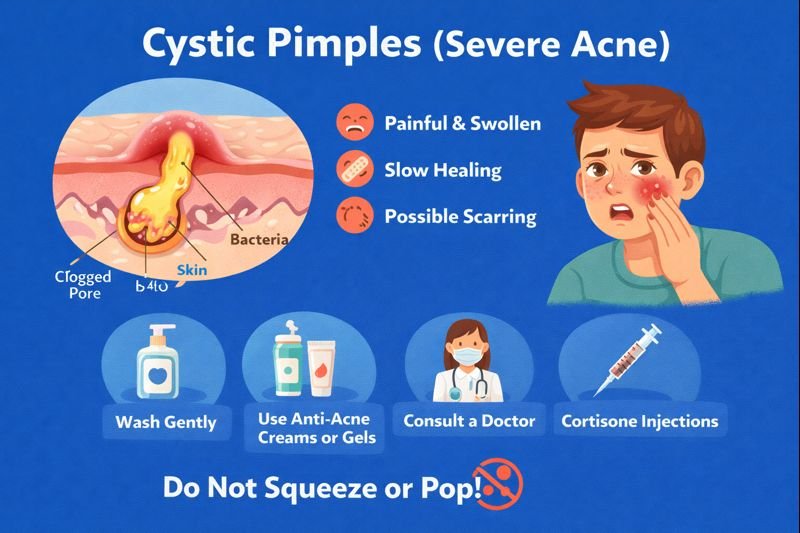
A cystic pimple is a deeper, more inflamed form of acne that develops when hair follicles in the skin become blocked with natural oils, dead skin cells, and bacteria. Unlike small surface blemishes, cystic pimples can be larger, sore to the touch, and may take longer to heal. Because they form deeper under the skin, they also have a higher chance of leaving marks or scars if irritated.
Why Skin Awareness Matters in Canadian First Aid and Workplace Settings
In Canadian workplaces, schools, and community environments, visible skin conditions can affect comfort and confidence. First aid awareness is not about treating acne medically—it focuses on recognizing irritation, avoiding actions that worsen skin damage, and supporting general hygiene practices. This is especially relevant in jobs involving protective equipment, uniforms, or shared facilities where sweat and friction can aggravate breakouts.
A Simple, Realistic Scenario
An employee working long shifts while wearing a tight safety helmet notices a painful bump forming along the jawline. A coworker mentions basic skin-care awareness—keeping the area clean, avoiding squeezing the blemish, and giving the skin time to recover rather than irritating it further.
Common Signs of a Cystic Pimple
-
Large, red or swollen bump under the skin
-
Tenderness or soreness when touched
-
Slow healing compared to minor pimples
-
Possible dark marks or scarring after healing
-
Surrounding skin irritation
These blemishes may appear on the face, neck, chest, shoulders, or back.
Causes and Mechanisms
Cystic acne often develops when:
-
Natural skin oils (sebum) clog hair follicles
-
Bacteria become trapped in the pore
-
Inflammation occurs deeper beneath the skin surface
-
Friction from helmets, masks, or tight clothing irritates the skin
-
Hormonal or stress-related changes increase oil production
Because the inflammation is deeper, these blemishes tend to be more noticeable and uncomfortable.
First Aid Awareness and General Skin Management
From a public-education and first aid awareness perspective, the focus is on gentle care and preventing further irritation:
-
Wash the face regularly with a mild, fragrance-free cleanser
-
Use lukewarm water and a soft towel rather than abrasive scrubs
-
Avoid squeezing or popping deep pimples, as this can increase irritation and scarring risk
-
Keep skin clean after sweating or wearing protective gear
-
Monitor skin changes and seek professional guidance if breakouts persist or worsen
The goal is comfort and cleanliness rather than medical treatment.
Prevention and Workplace Considerations
-
Maintain clean helmets, masks, and protective equipment
-
Encourage regular handwashing before touching the face
-
Avoid sharing personal items such as towels or cosmetics
-
Use gentle skincare products suited for sensitive skin
-
Allow skin to breathe during breaks when safe to do so
These habits support both personal comfort and general hygiene in shared environments across Canada.
Frequently Asked Questions About Cystic Pimples
Why shouldn’t deep pimples be squeezed?
Squeezing can push bacteria deeper into the skin, increase inflammation, and raise the chance of scarring.
Do harsh cleansers help clear cystic acne faster?
Abrasive or strongly scented cleansers can irritate the skin and may worsen redness and dryness.
Can workplace equipment contribute to breakouts?
Yes. Tight-fitting gear or prolonged friction can trap sweat and oil, irritating the skin.
Is cystic acne the same as regular acne?
It is a more inflamed and deeper form, often taking longer to resolve.
When should persistent breakouts be checked?
If skin discomfort continues or affects daily comfort, further assessment can help identify suitable options.
Educational Note
This article is intended for general public and workplace education in Canada. It supports awareness of skin irritation and hygiene practices but does not replace guidance from qualified healthcare professionals.
About The Author

Mark Kascha
Certified First Aid Instructor Trainer with 30+ years of real-world experience, including lifeguarding, workplace emergency response, and first aid program development across Canada. Has worked with WorkSafeBC, WSIB, and Manitoba Health.
👉 [View full credentials]🔗 View LinkedIn Profile
Last reviewed: March 2026