
Groin inflammation occurs when the adductor muscles on the inner thigh become irritated or injured, most often due to overuse, sudden movement, or strain. These muscles help bring the legs together and play an important role in walking, running, and changing direction.
Groin injuries are common in sports and physical activities but can also occur during everyday movements.
Understanding the Risk
The adductor muscles are heavily involved in:
- Sprinting and sudden acceleration
- Direction changes
- Lifting and twisting movements
- Prolonged physical activity
Overuse, fatigue, or inadequate recovery can increase the risk of inflammation and injury.
Common Signs and Symptoms
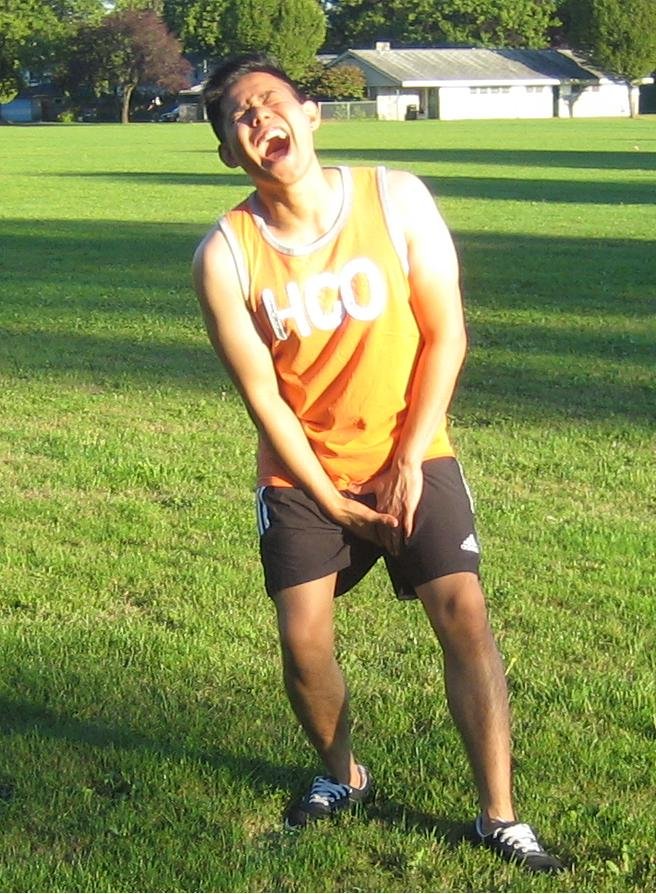
Symptoms of groin inflammation may include:
- Pain or discomfort in the inner thigh or groin
- Pain that radiates down the leg
- Pain when drawing the leg inward
- Discomfort when lifting the thigh
- Tenderness near the groin or pelvic area
- Difficulty sprinting, changing direction, or walking normally
Persistent pain should not be ignored.
First Aid Awareness: What to Do
First aid focuses on recognizing the injury early and preventing further strain.
If groin inflammation is suspected:
- Stop activities that cause pain
- Avoid sudden movements or stretching through pain
- Monitor symptoms over time
Seek medical assessment if:
- Pain does not improve with rest
- Walking or daily activities are affected
- Pain worsens or spreads
- There is weakness, swelling, or limping
Sudden severe groin pain, pain following trauma, or inability to bear weight should be assessed urgently.
Why This Awareness Matters for Canadians
Sports participation, physically demanding work, and seasonal activity changes are common across Canada and contribute to groin injuries. First aid training, including in advanced and intermediate first aid courses, emphasizes:
- Early recognition of muscle injuries
- Reducing the risk of chronic pain
- Knowing when professional care is required
Educational Disclaimer
This information is provided for general educational purposes only and does not replace professional medical advice. Persistent or severe groin pain requires assessment by a healthcare professional.
About The Author

Mark Kascha
Certified First Aid Instructor Trainer with 30+ years of real-world experience, including lifeguarding, workplace emergency response, and first aid program development across Canada. Has worked with WorkSafeBC, WSIB, and Manitoba Health.
👉 [View full credentials]🔗 View LinkedIn Profile
Last reviewed: March 2026