 It’s normal for the mouth to feel dry occasionally — especially during dehydration, stress, or nervousness. But if dryness becomes persistent, it may signal an underlying health concern. In that case, a healthcare provider or dentist should be consulted for assessment.
Why Dry Mouth Occurs
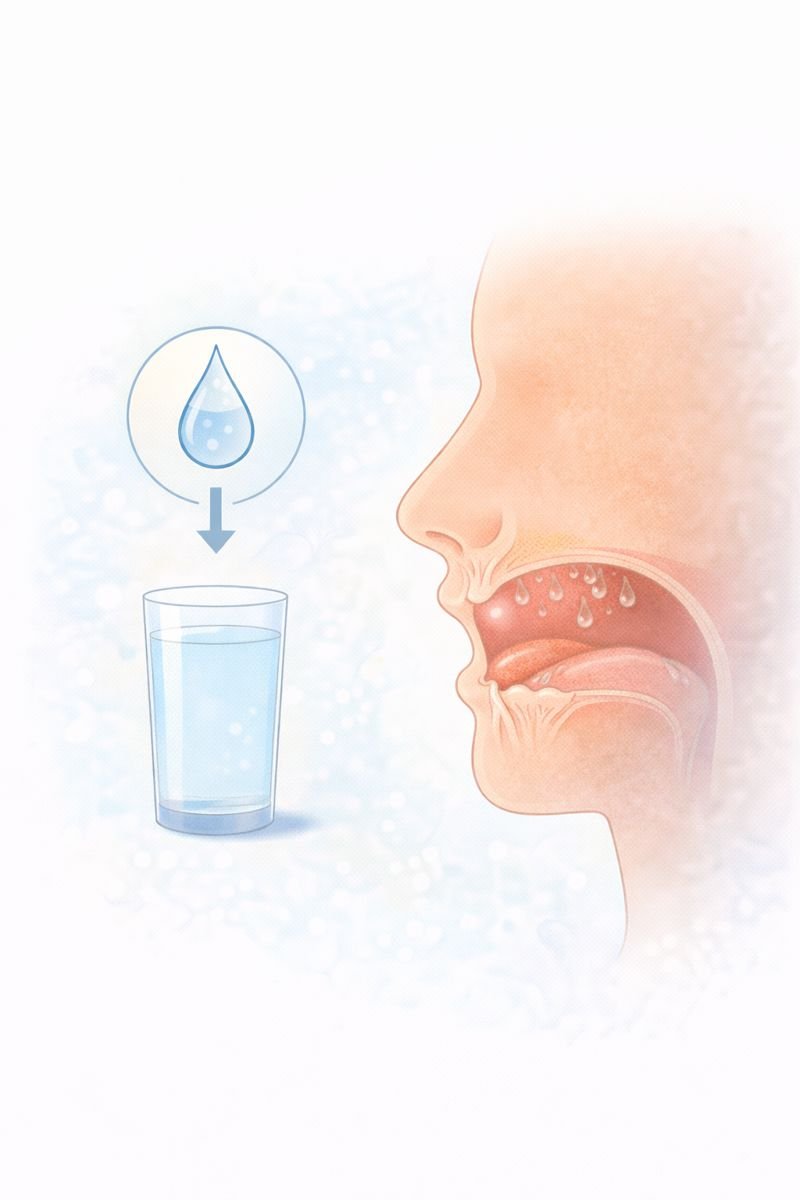
Dry mouth (also called xerostomia) occurs when the salivary glands don’t produce enough saliva. Common triggers include:
Dehydration
Not drinking enough fluids reduces saliva production.
Breathing through the mouth
Often happens when the nose is blocked during sleep.
Medications
Many medications can reduce saliva, including:
-
Antihistamines
-
Antidepressants
-
Diuretics
Reading drug packaging or speaking to a pharmacist can help determine if dry mouth is a listed side effect.
Health Conditions
Dry mouth can also be linked to:
-
Diabetes (elevated blood sugar may contribute)
-
Sjögren’s syndrome (immune system affecting moisture-producing glands)
-
Radiation therapy to the head or neck
Why Saliva Matters
Saliva plays an important role in oral and dental health. Without enough moisture, individuals may experience:
-
Bad breath (halitosis)
-
Dry or cracked lips
-
Burning or sore mouth sensation
-
Reduced or altered sense of taste
-
Tooth decay or gum disease
-
Mouth infections (e.g., oral thrush)
-
Difficulty eating, speaking, or swallowing
Good oral hygiene and regular dental visits support early detection of dental concerns associated with chronic dryness.
Treatment & Everyday Measures
Management depends on the underlying cause. If medication contributes to symptoms, healthcare providers may adjust the dose or suggest alternatives.
Simple measures may also help:
-
Increase fluid intake (small sips throughout the day)
-
Sip cool water or unsweetened drinks
-
Suck on ice chips
-
Use sugar-free gum or candy to stimulate saliva
-
Avoid alcohol, caffeine, and smoking
-
Avoid alcohol-based mouthwashes
Dentists and physicians may recommend additional treatments if infections or dental risks arise.
First Aid Awareness for Symptoms
Dry mouth is not an emergency condition, but awareness of related symptoms — such as difficulty swallowing or repeated mouth infections — helps Canadians recognize when to seek dental or medical attention. First aid courses through St. Mark James Training build broader confidence in recognizing symptoms, seeking care, and supporting health in workplaces and community settings. Many Canadians pair first aid knowledge with CPR/AED training for enhanced preparedness.
Educational Disclaimer
This article provides public education in a Canadian context and does not replace dental or medical assessment. Speak to a healthcare provider if dry mouth is persistent, worsening, or affecting eating, speaking, or oral health.
About The Author

Mark Kascha
Certified First Aid Instructor Trainer with 30+ years of real-world experience, including lifeguarding, workplace emergency response, and first aid program development across Canada. Has worked with WorkSafeBC, WSIB, and Manitoba Health.
👉 [View full credentials]🔗 View LinkedIn Profile
Last reviewed: March 2026