A charley horse is the common name for a sudden, involuntary muscle spasm. It can affect almost any muscle in the body, but it most often occurs in the legs, especially the calf muscles. These spasms cause intense tightening of the muscle that may last several seconds to minutes and can be quite painful.
While uncomfortable, most charley horses are harmless and temporary. This article is intended for education and injury-prevention awareness and does not replace medical advice or professional care.
What Does a Charley Horse Feel Like?
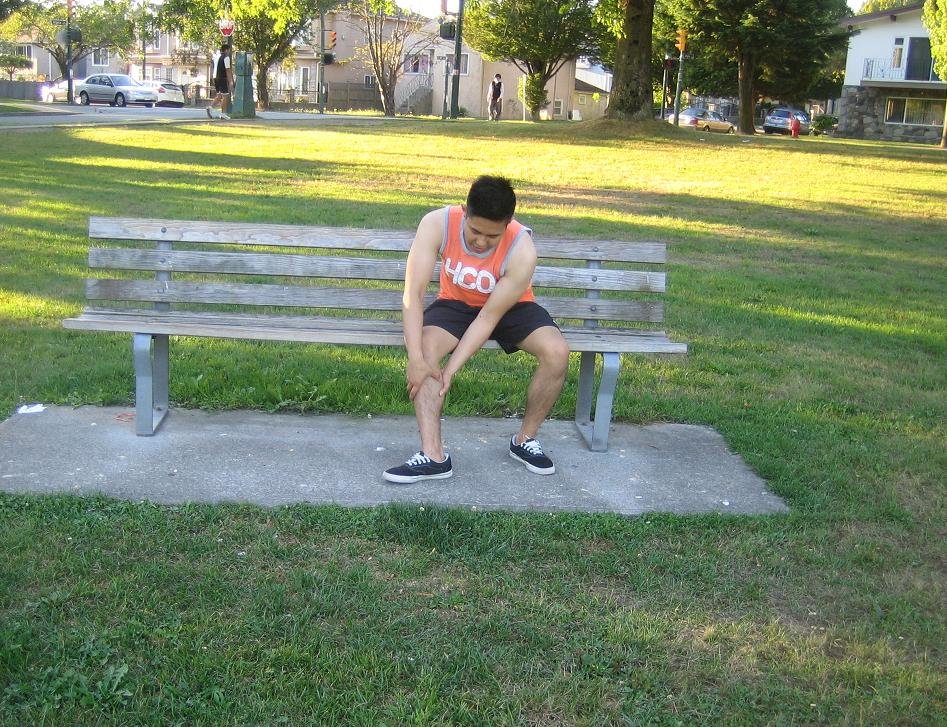
During a charley horse, the affected muscle contracts forcefully and does not relax right away. This can result in:
-
Sharp or intense muscle pain
-
A visibly hard or knotted muscle
-
Temporary difficulty moving the affected limb
-
Muscle soreness that may last for several hours or up to a day afterward
Post-spasm soreness is common and usually normal, as long as the pain is not persistent or happening frequently.
Common Causes of Muscle Spasms
Muscle cramps can happen for many reasons. Common triggers include:
-
Muscle strain or minor injury
-
Reduced blood flow to the muscle
-
Overuse during physical activity or exercise
-
Exercising in very hot or cold conditions
-
Inadequate stretching before activity
-
Dehydration
-
Low levels of minerals such as potassium, calcium, or magnesium
-
Use of certain medications, including diuretics
-
Nerve compression in the spine
-
Prolonged stress, particularly affecting the neck or back muscles
Often, more than one factor contributes to a muscle spasm.
Who Is More Likely to Experience Charley Horses?
Charley horses can happen at any age and at any time, including during rest or sleep. They are more common among:
-
Athletes and physically active individuals
-
Older adults
-
Infants and young children
-
Individuals with obesity
-
People who smoke
-
Those taking certain medications, such as diuretics or statins
For example, athletes may experience cramps due to muscle fatigue or fluid loss, while reduced circulation can contribute to cramps in people with obesity.
How to Treat a Charley Horse
Most muscle spasms can be managed at home.
Helpful first-aid measures include:
-
Gently stretching the affected muscle
-
Light massage to encourage relaxation
-
Applying heat to loosen the muscle
-
Using cold packs to reduce pain after the spasm subsides
-
Drinking water or fluids if dehydration may be a factor
If muscle soreness continues, a healthcare professional may suggest short-term use of pain relievers such as non-steroidal anti-inflammatory medications.
When Muscle Spasms Keep Coming Back
Frequent or recurring charley horses may be a sign of an underlying issue that needs medical evaluation.
In these cases, a healthcare provider may recommend:
-
Identifying and correcting nutrient deficiencies
-
Reviewing medications
-
Physical therapy to improve flexibility and muscle balance
-
Treatment for nerve-related causes if present
In rare situations where nerve compression is responsible and other treatments are ineffective, surgical options may be considered.
Preventing Muscle Spasms
You can reduce the risk of charley horses by:
-
Stretching regularly, especially before and after activity
-
Staying well hydrated
-
Maintaining balanced nutrition
-
Gradually increasing exercise intensity
-
Taking breaks during repetitive or prolonged activity
Understanding muscle cramps and knowing how to respond can help prevent minor injuries from becoming more serious.
Educational Note
This article is provided for general education and safety awareness only. It is not intended to diagnose or treat medical conditions. Seek professional medical advice if muscle spasms are severe, frequent, or persistent.
About The Author

Mark Kascha
Certified First Aid Instructor Trainer with 30+ years of real-world experience, including lifeguarding, workplace emergency response, and first aid program development across Canada. Has worked with WorkSafeBC, WSIB, and Manitoba Health.
👉 [View full credentials]🔗 View LinkedIn Profile
Last reviewed: March 2026