
 Understanding Migraine Headaches
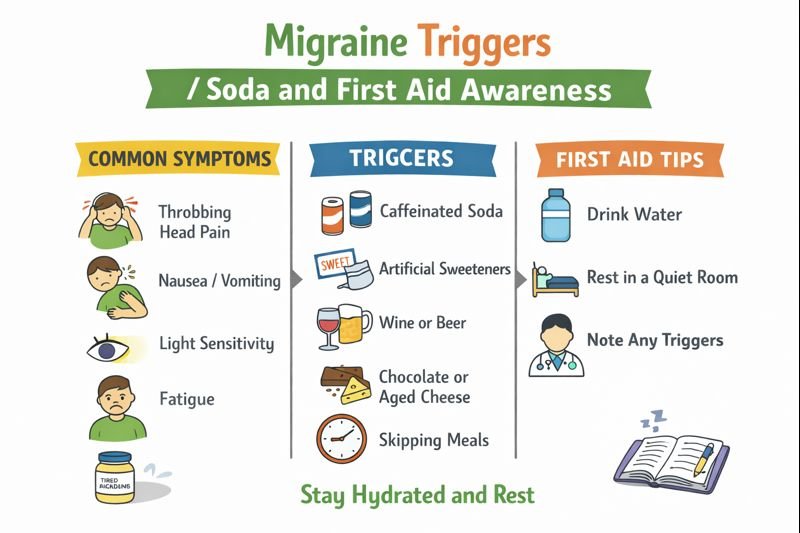
Migraine headaches are more than ordinary headaches. They can cause intense, throbbing or pulsating pain, often focused on one side of the head, and may interfere with daily activities. Many people also experience nausea, vomiting, or strong sensitivity to light and sound. While migraines vary from person to person, certain foods and beverages — including some sodas — may influence when a migraine starts or how severe it feels.
First Aid & Workplace Relevance in Canada
In Canadian workplaces, migraines can affect attendance, concentration, and safety, especially in roles that require focus or operating equipment. Basic first aid awareness helps coworkers respond supportively by recognizing symptoms early, encouraging rest, and reducing environmental triggers such as bright lighting or strong smells. Calm awareness promotes a safer and more understanding work environment without making assumptions or diagnoses.
A Short Realistic Scenario
During a busy afternoon at work, an employee begins to feel a throbbing headache and light sensitivity after skipping lunch and drinking two caffeinated sodas. A colleague familiar with first aid awareness suggests taking a quiet break, dimming the lights nearby, and drinking water. After resting, the employee feels more comfortable and later decides to monitor meal timing and beverage choices to reduce future episodes.
Common Migraine Symptoms
Migraine symptoms can include:
-
Throbbing or pulsating head pain, often on one side
-
Nausea or vomiting
-
Sensitivity to light, noise, or smells
-
Blurred vision or visual disturbances
-
Fatigue or difficulty concentrating
Not all migraines look the same, and symptom patterns may change over time.
Food and Beverage Triggers
Some individuals notice migraines occurring after consuming certain foods or drinks. Potential triggers can include:
-
Caffeinated beverages such as cola or energy drinks
-
Artificial sweeteners like aspartame
-
Alcohol, particularly red wine or beer
-
Aged cheeses or processed foods containing additives
-
Skipping meals or fasting
Triggers are highly individual. What affects one person may not affect another.
Causes and Mechanisms
Migraines are thought to involve complex interactions between brain chemistry, nerve pathways, and blood vessels. Changes in sleep patterns, stress levels, hydration, and diet can all play a role. Genetics may also influence who is more likely to experience migraines, which is why some families notice similar patterns or sensitivities.
Caffeine can have mixed effects. For some people, small amounts may temporarily reduce discomfort, while for others it may worsen or trigger symptoms — particularly if consumed in excess or close to bedtime.
First Aid Awareness and General Management
For mild migraine discomfort:
-
Encourage rest in a quiet, dimly lit space.
-
Drink water to support hydration.
-
Avoid strong smells or bright screens when possible.
-
Note recent foods, drinks, or sleep changes that may relate to the episode.
If migraines are frequent, unusually intense, or interfere with daily activities, professional assessment is generally recommended. First aid awareness focuses on supportive comfort measures rather than treatment decisions.
Prevention and Workplace Considerations
-
Maintain regular meal times and hydration.
-
Encourage reasonable lighting and screen-break practices.
-
Support flexible break policies when symptoms arise.
-
Promote healthy sleep routines.
-
Limit excessive caffeine late in the day.
-
Include headache and migraine awareness in general wellness or first aid training.
Frequently Asked Questions
Can soda really trigger migraines?
For some individuals, ingredients such as caffeine or artificial sweeteners may contribute to symptoms, while others may not notice any effect.
Are migraines the same as regular headaches?
No. Migraines often involve additional symptoms such as nausea, light sensitivity, or visual disturbances and can be more disruptive.
Does skipping meals matter?
Yes. Irregular eating patterns can be a trigger for some people because of changes in blood sugar and hydration levels.
Can sleep patterns influence migraines?
Yes. Both too little and too much sleep may contribute to migraine episodes in certain individuals.
What role does workplace awareness play?
Understanding common triggers and early symptoms allows coworkers and supervisors to respond supportively and reduce environmental stressors.
Educational Note
This information is provided for general public education and first aid awareness. Learning about common triggers and supportive responses can help individuals make informed everyday choices and respond calmly when discomfort occurs.
About The Author

Mark Kascha
Certified First Aid Instructor Trainer with 30+ years of real-world experience, including lifeguarding, workplace emergency response, and first aid program development across Canada. Has worked with WorkSafeBC, WSIB, and Manitoba Health.
👉 [View full credentials]🔗 View LinkedIn Profile
Last reviewed: March 2026