
Can Blueberries Cause Digestive Upset?
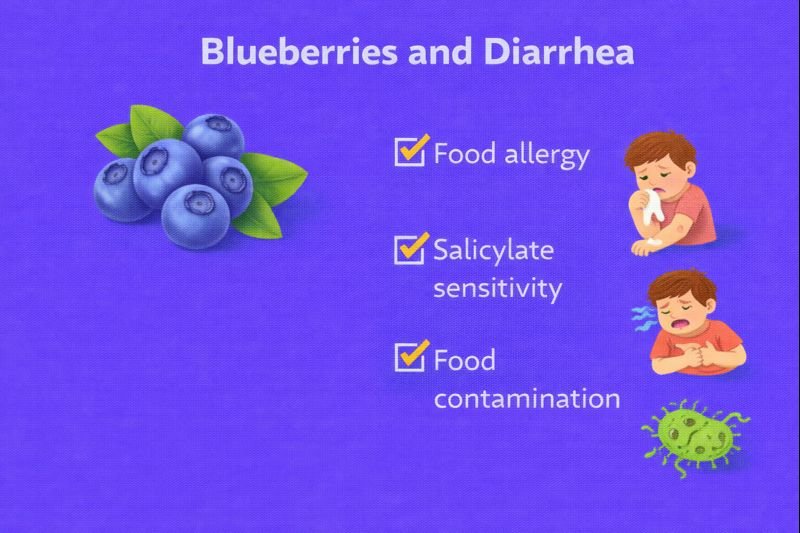
Blueberries are widely enjoyed in Canada for their sweet flavour and nutritional value. Most people tolerate them well, but some individuals may experience diarrhea or stomach discomfort after eating blueberries. This can relate to food sensitivity, an allergic response, or contamination if the fruit is not washed properly.
Why Awareness Matters in Canadian Homes and Workplaces
Blueberries are common in breakfasts, school lunches, office snacks, and community events. First aid awareness focuses on recognizing digestive discomfort early, practising proper food washing, and staying hydrated, rather than diagnosing illness. Clean preparation and mindful portion sizes can help reduce unnecessary stomach upset.
A Simple, Realistic Scenario
At a morning meeting, an employee adds extra blueberries to yogurt and later feels mild cramping. Remembering basic digestive-comfort awareness, they drink water, rest briefly, and choose lighter foods for the rest of the day.
Possible Reasons for Diarrhea After Eating Blueberries
Food Allergy
 A true blueberry allergy is uncommon but possible. Reactions involve the immune system and may include:
-
Skin itching or hives
-
Nasal congestion or watery eyes
-
Nausea or vomiting
-
Diarrhea or stomach cramps
-
Wheezing or throat irritation in more intense reactions
Symptoms often appear soon after eating the trigger food.
Salicylate Sensitivity
Blueberries naturally contain salicylates, plant compounds also found in many fruits and vegetables. Some people are more sensitive and may notice:
-
Stomach ache or loose stools
-
Headache or mild flushing
-
Temporary digestive discomfort without immune involvement
This differs from an allergy because it is a sensitivity rather than an immune reaction.
Food Contamination
Fresh produce can carry bacteria from soil, packaging, or handling. Without proper washing, this may lead to short-term food-borne symptoms such as:
-
Diarrhea or vomiting
-
Abdominal cramps
-
Low-grade fever
-
General fatigue
Thorough rinsing under clean running water helps lower this risk.
First Aid Awareness and General Comfort Measures
From a public-education perspective, the emphasis is on hydration, rest, and hygiene if mild digestive upset occurs:
-
Sip water or oral rehydration fluids regularly
-
Rest and avoid very heavy or greasy meals temporarily
-
Wash hands and food-prep surfaces thoroughly
-
Monitor for ongoing fever, weakness, or dehydration signs and seek further guidance if symptoms persist or worsen
These steps support comfort and cleanliness rather than medical treatment.
Prevention and Everyday Considerations in Canada
-
Rinse fresh berries under running water before eating
-
Refrigerate produce promptly and avoid bruised or mouldy fruit
-
Introduce large servings gradually if sensitive to fibre or fruit acids
-
Label shared foods at workplace or school events
-
Practise clean utensils and cutting boards
Frequently Asked Questions
Do blueberries usually cause diarrhea?
No. Most people digest them without issue; reactions are individual.
Why is washing fruit important?
Rinsing removes surface dirt and reduces bacteria from handling or packaging.
Is sensitivity the same as allergy?
No. Sensitivity involves digestive intolerance, while allergy involves the immune system.
Can portion size matter?
Yes. Large servings of high-fibre fruit may temporarily loosen stools in some people.
When should symptoms be checked further?
If diarrhea lasts more than a few days, contains blood, or dehydration signs appear, further assessment is advisable.
Educational Note
This article is intended for general public and workplace education in Canada. It supports food-safety awareness and first aid recognition but does not replace evaluation or care from qualified healthcare professionals.
About The Author

Mark Kascha
Certified First Aid Instructor Trainer with 30+ years of real-world experience, including lifeguarding, workplace emergency response, and first aid program development across Canada. Has worked with WorkSafeBC, WSIB, and Manitoba Health.
Last reviewed: March 2026