The primary goal in managing asthma is to control symptoms while allowing children to live active, healthy lives. With proper management, most children with asthma can participate fully in school, sports, and everyday activities.
Ideally, asthma should be well controlled so that a child:
- Experiences symptoms no more than once or twice per week
- Is not waking at night due to asthma more than twice per month
- Can participate in physical activity without limitation
Asthma management plans are developed by healthcare professionals and adjusted as a child grows, since symptoms and triggers can change over time.
Types of Asthma Medications
Asthma medications are prescribed based on the frequency and severity of symptoms and the child’s age. While medication selection is determined by a doctor, understanding the general categories helps parents, educators, and caregivers support children safely.
Asthma medications generally fall into two main categories:
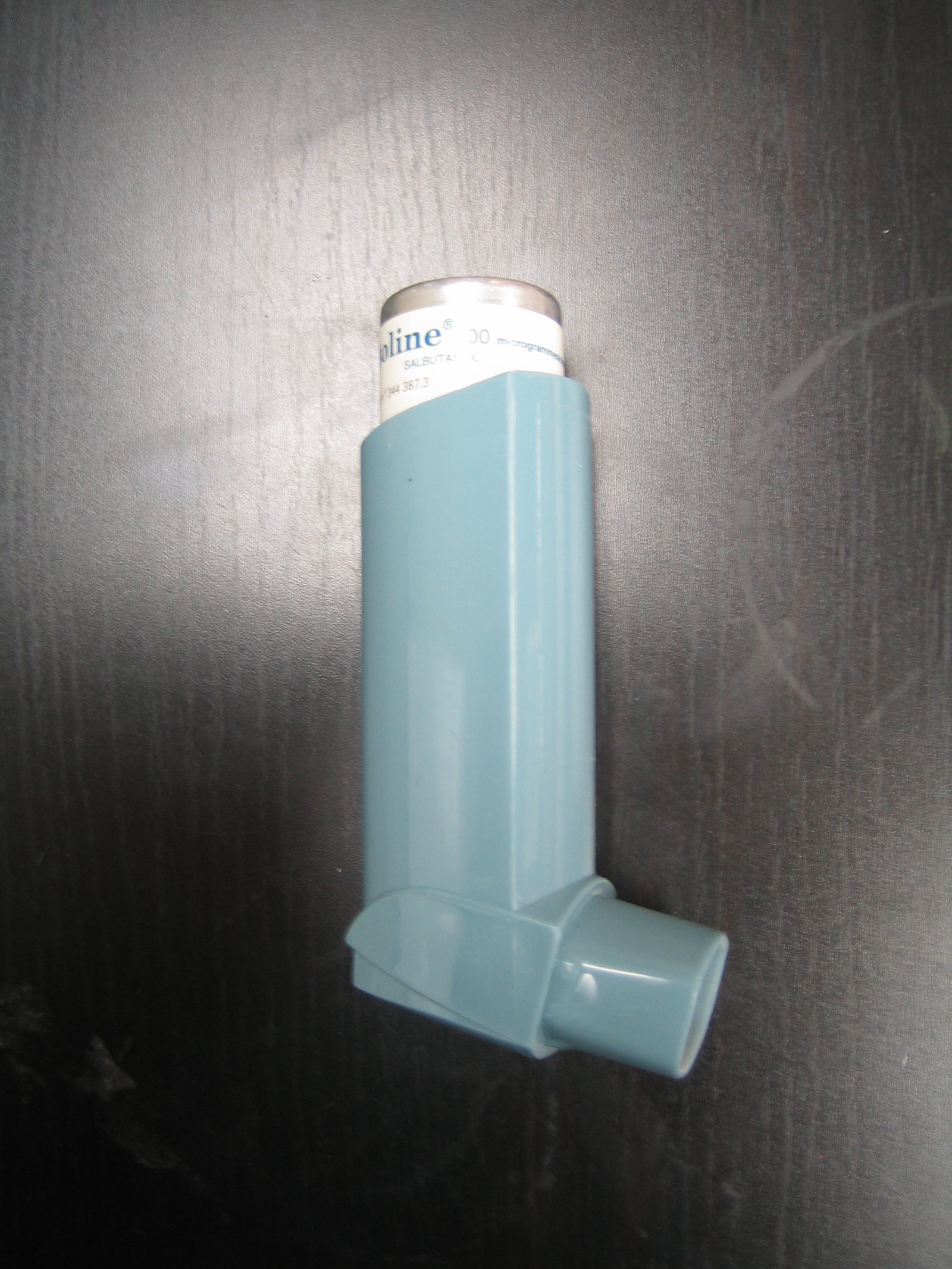
Quick-Relief (Rescue) Medications
Quick-relief medications work by opening narrowed airways during an asthma episode. They help relieve:
- Wheezing
- Chest tightness
- Shortness of breath
These medications are also commonly used before physical activity to help prevent exercise-induced asthma. They are taken only as needed, not daily.
From a first aid perspective, knowing when and how to assist a child with their prescribed inhaler is critical during a respiratory emergency.
Controller (Preventive) Medications
Controller medications are taken daily to reduce airway inflammation and help prevent asthma symptoms from occurring in the first place. They are not used for immediate symptom relief.
Children may require controller medications if they:
- Have symptoms more than twice per week
- Wake at night due to asthma more than twice per month
Common types of controller medications include:
- Inhaled corticosteroids
- Leukotriene receptor antagonists (oral medications)
- Combination inhalers (steroid + long-acting bronchodilator)
- Inhaled non-steroid medications
- Injectable therapies for severe asthma
- Methylxanthines (less commonly used today)
Inhaled corticosteroids are the most commonly prescribed controller medication and are considered safe and effective when used as directed.
First Aid Awareness and Emergency Preparedness
While asthma medications are managed by healthcare professionals, first aid training plays an essential role in:
- Recognizing early warning signs of an asthma attack
- Knowing when symptoms are becoming an emergency
- Assisting with prescribed rescue inhalers
- Activating emergency services when needed
This knowledge is especially important for parents, teachers, coaches, childcare providers, and anyone supervising children.
Educational Disclaimer
This content is provided for educational purposes only and does not replace medical advice. For hands-on training in recognizing and responding to asthma emergencies, formal first aid and CPR education is recommended.
About The Author

Mark Kascha
Certified First Aid Instructor Trainer with 30+ years of real-world experience, including lifeguarding, workplace emergency response, and first aid program development across Canada. Has worked with WorkSafeBC, WSIB, and Manitoba Health.
Last reviewed: March 2026