July 2016

Digitalis Toxicity: Causes, Symptoms, and Emergency Management

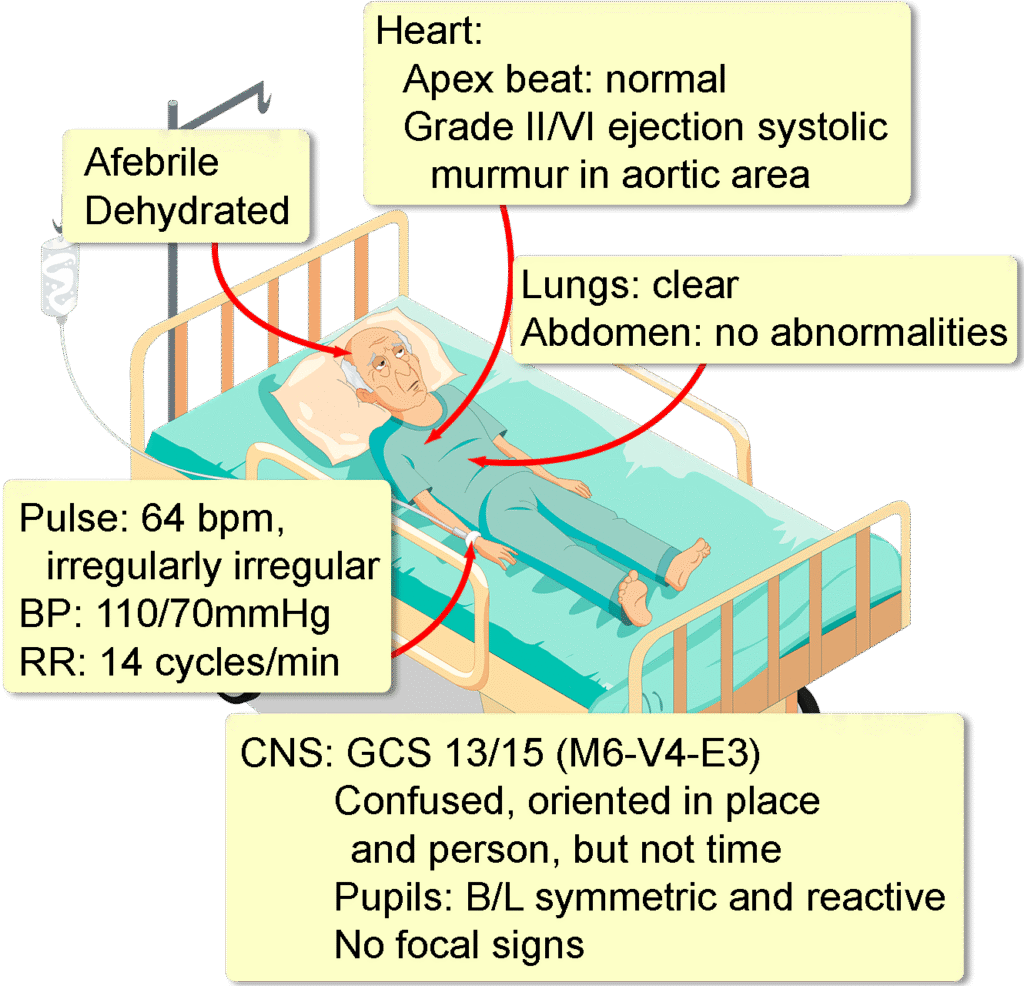
Digitalis Toxicity: Causes, Symptoms, and Emergency Management Digitalis toxicity occurs when excessive amounts of digitalis (digoxin) accumulate in the body. Digoxin is a medication commonly prescribed to manage certain heart conditions, including irregular heart rhythms and heart failure. While effective when used correctly, digoxin has a narrow therapeutic range, meaning that even small dosing errors […]

Digitalis Toxicity: Causes, Symptoms, and Emergency Management Read More »
Diabetes Insipidus: Causes, Symptoms, and Management

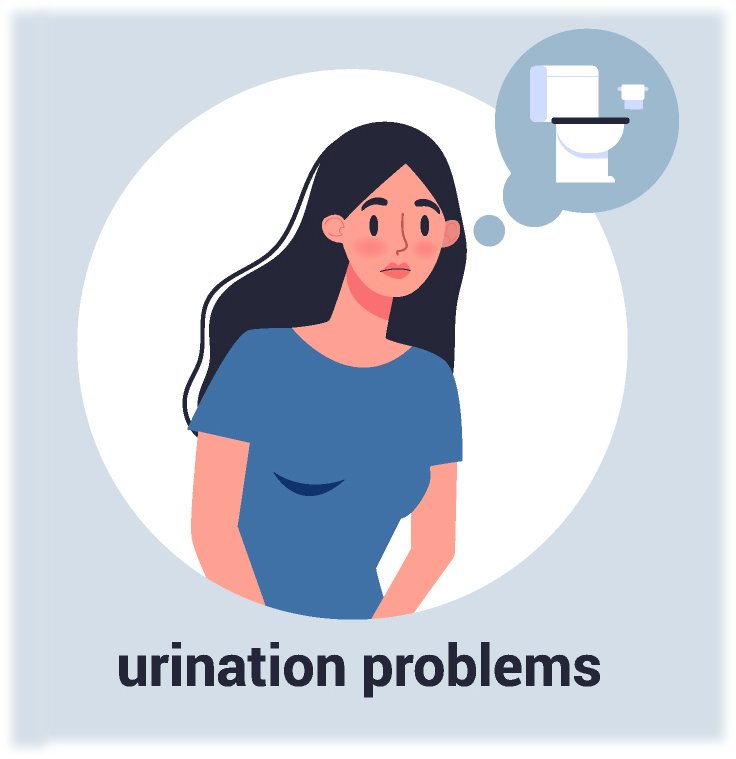
Diabetes Insipidus: Causes, Symptoms, and Management Diabetes insipidus is an uncommon condition that develops when the kidneys are unable to conserve water properly. This results in excessive thirst and the production of large volumes of diluted urine. Despite sharing the name “diabetes,” this condition is not related to diabetes mellitus (blood sugar disorders). In Canada,

Diabetes Insipidus: Causes, Symptoms, and Management Read More »

German Measles (Rubella): Symptoms, Causes, and Prevention

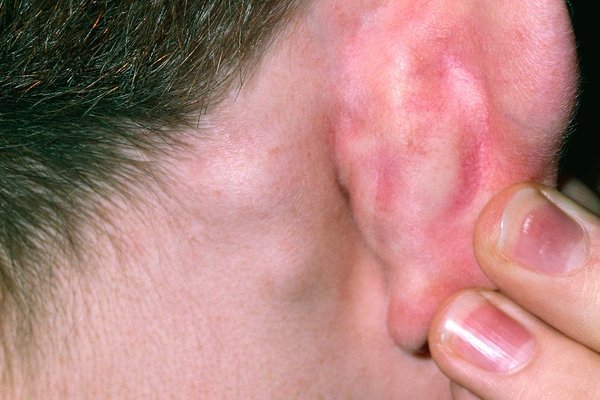
German Measles (Rubella): Symptoms, Causes, and Prevention   German measles, also known as rubella, is a viral infection recognized by a distinctive reddish or pink rash, mild fever, and swollen lymph nodes. The virus spreads easily through respiratory droplets from coughing or sneezing, as well as through shared food or beverages. In Canada and other

German Measles (Rubella): Symptoms, Causes, and Prevention Read More »

Acetaminophen Overdose: What Canadians Should Know

Acetaminophen Overdose: What Canadians Should Know   Acetaminophen (also known as paracetamol) is a widely used pain and fever medication found in many over-the-counter and prescription products, including Tylenol®. Because it is so common—and included in many combination cold and flu remedies—taking too much can happen more easily than people realize. This article is designed

Acetaminophen Overdose: What Canadians Should Know Read More »

Accidental Soap Poisoning: Risks, Symptoms, and What to Do

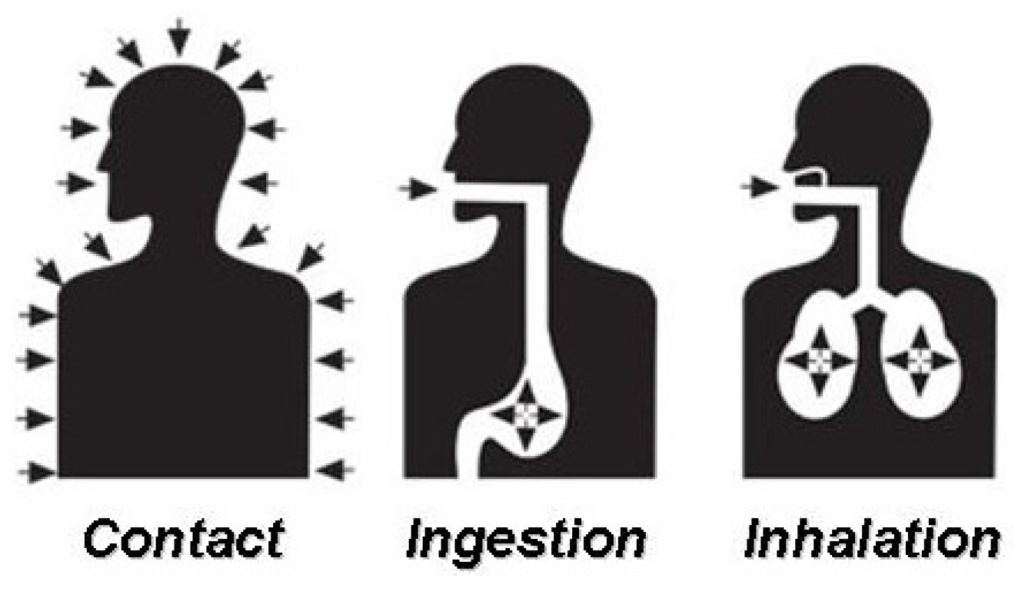
Accidental Soap Poisoning: Risks, Symptoms, and What to Do Accidental soap poisoning can occur when household cleaning products or personal care soaps containing strong chemicals are swallowed, inhaled, or come into contact with the eyes or skin. While many people think of soap as harmless, certain products—especially concentrated or commercial-grade cleaners—can cause serious injury when

Accidental Soap Poisoning: Risks, Symptoms, and What to Do Read More »

Carbon Tetrachloride Poisoning: Risks, Symptoms, and Safety Awareness

Carbon Tetrachloride Poisoning: Risks, Symptoms, and Safety Awareness Carbon tetrachloride is a highly toxic, man-made chemical that was once used in refrigerants, dry-cleaning agents, pesticides, and industrial cleaners. Because of its serious health risks, it is no longer used in most household products in Canada, but it may still be encountered in certain industrial or

Carbon Tetrachloride Poisoning: Risks, Symptoms, and Safety Awareness Read More »

Hydrocarbon Poisoning: Symptoms, Risks, and Emergency Care

Hydrocarbon Poisoning: Symptoms, Risks, and Emergency Care   Hydrocarbon poisoning occurs when substances such as fuels, solvents, or petroleum-based products are inhaled or swallowed. These products are commonly found in items like gasoline, kerosene, lighter fluid, paint thinners, and certain cleaning or industrial products. In Canada, hydrocarbon exposure is a serious safety concern—especially for young

Hydrocarbon Poisoning: Symptoms, Risks, and Emergency Care Read More »

Mothball Poisoning: Risks, Symptoms, and Safe Handling

Mothball Poisoning: Risks, Symptoms, and Safe Handling Mothballs are classified as pesticides and are designed to slowly release toxic vapours that repel insects. Some types contain naphthalene, a chemical that can be harmful if swallowed, inhaled, or handled improperly. Even products marketed for household use can pose serious health risks—especially to children and pets. This

Mothball Poisoning: Risks, Symptoms, and Safe Handling Read More »

Shopping Cart
Scroll to Top

  • All stmarkjamestraining.ca content is reviewed by a medical professional and / sourced to ensure as much factual accuracy as possible.

  • We have strict sourcing guidelines and only link to reputable websites, academic research institutions and medical articles.

  • If you feel that any of our content is inaccurate, out-of-date, or otherwise questionable, please contact us through our contact us page.

The information posted on this page is for educational purposes only.
If you need medical advice or help with a diagnosis contact a medical professional