April 2016

Sulfite Sensitivity vs Sulfite Allergy: Symptoms, First Aid Response, and Food Safety in Canada

Sulfite Sensitivity vs Sulfite Allergy: Symptoms, First Aid Response, and Food Safety in Canada Many individuals believe they have a sulfite allergy, but in most cases, the reaction is actually a sulfite sensitivity. Sulfites are chemical preservatives commonly used in beer, wine, processed foods, medications, and dried fruits to extend shelf life, preserve colour, and […]

Sulfite Sensitivity vs Sulfite Allergy: Symptoms, First Aid Response, and Food Safety in Canada Read More »

Yellow Food Dye Allergy: Symptoms, First Aid Response, and Food Safety Awareness in Canada

Yellow Food Dye Allergy: Symptoms, First Aid Response, and Food Safety Awareness in Canada Yellow food dye, commonly found in processed foods, medications, and beverages, is known to trigger mild to severe allergic or sensitivity reactions in some individuals. These reactions are typically linked to synthetic dyes such as tartrazine (Yellow No. 5) and related

Yellow Food Dye Allergy: Symptoms, First Aid Response, and Food Safety Awareness in Canada Read More »

Skin Rashes After Shellfish Exposure: Allergy Signs, First Aid, and Food Safety Awareness in Canada

Skin Rashes After Shellfish Exposure: Allergy Signs, First Aid, and Food Safety Awareness in Canada Developing a skin rash after eating or handling shellfish is a strong warning sign of a shellfish allergy, which is considered one of the most serious food allergies. In Canada, shellfish allergies are a key focus in first aid training,

Skin Rashes After Shellfish Exposure: Allergy Signs, First Aid, and Food Safety Awareness in Canada Read More »

Foods That Can Trigger Colon Pain: What to Know for Digestive Health, First Aid, and Workplace Wellness in Canada

Foods That Can Trigger Colon Pain: What to Know for Digestive Health, First Aid, and Workplace Wellness in Canada Certain foods do not cause colon pain in people with a healthy digestive system. However, for individuals living with irritable bowel syndrome (IBS), colitis, or diverticular disease, specific foods and eating habits can trigger uncomfortable —

Foods That Can Trigger Colon Pain: What to Know for Digestive Health, First Aid, and Workplace Wellness in Canada Read More »

Fish Allergy and Eczema: Recognizing Skin Reactions, First Aid Response, and Food Safety in Canada

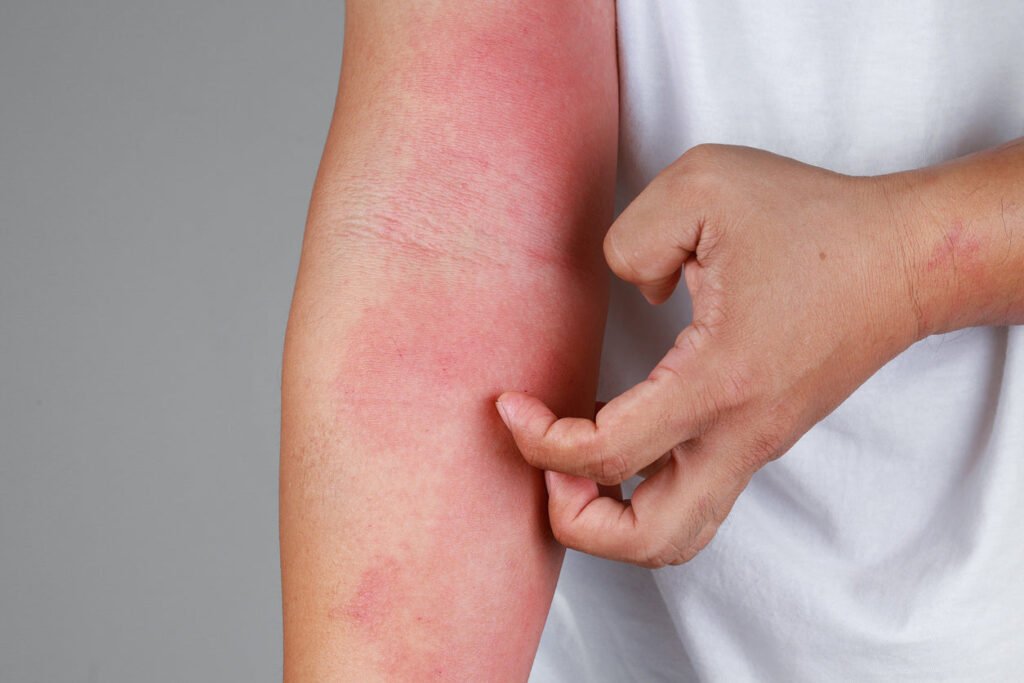
Fish Allergy and Eczema: Recognizing Skin Reactions, First Aid Response, and Food Safety in Canada A common sign of a fish allergy is the development of eczema or other skin rashes shortly after eating seafood, including fish. If an individual eats fish and then develops a blister-like rash that oozes, weeps, or crusts, this strongly

Fish Allergy and Eczema: Recognizing Skin Reactions, First Aid Response, and Food Safety in Canada Read More »

Puffy Eyes After Eating Fish: Food Allergy Warning Signs & First Aid in Canada

Puffy Eyes After Eating Fish: Food Allergy Warning Signs & First Aid in Canada Puffy eyes that develop shortly after eating fish can be a sign of a food allergy — one of the most common triggers of serious reactions in both children and adults. Fish and shellfish allergies are often lifelong, and in some

Puffy Eyes After Eating Fish: Food Allergy Warning Signs & First Aid in Canada Read More »

Seasonal Allergies in Canada: Why Hay Fever Feels Like a Never-Ending Cold

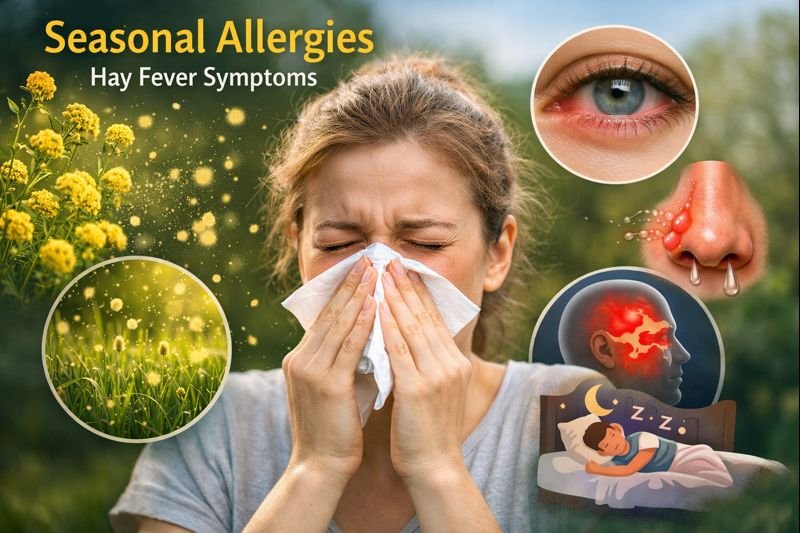
Seasonal Allergies in Canada: Why Hay Fever Feels Like a Never-Ending Cold Seasonal allergies — also called hay fever or seasonal allergic rhinitis — affect millions of Canadians each year, particularly during spring and late summer. Although symptoms can mimic the common cold, seasonal allergies are immune reactions to airborne pollen from trees, grasses, and

Seasonal Allergies in Canada: Why Hay Fever Feels Like a Never-Ending Cold Read More »

Shopping Cart
Scroll to Top

  • All stmarkjamestraining.ca content is reviewed by a medical professional and / sourced to ensure as much factual accuracy as possible.

  • We have strict sourcing guidelines and only link to reputable websites, academic research institutions and medical articles.

  • If you feel that any of our content is inaccurate, out-of-date, or otherwise questionable, please contact us through our contact us page.

The information posted on this page is for educational purposes only.
If you need medical advice or help with a diagnosis contact a medical professional