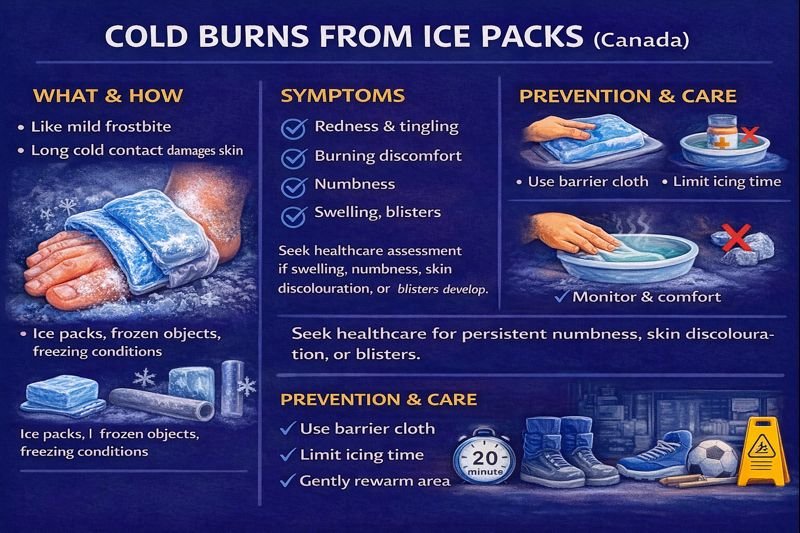
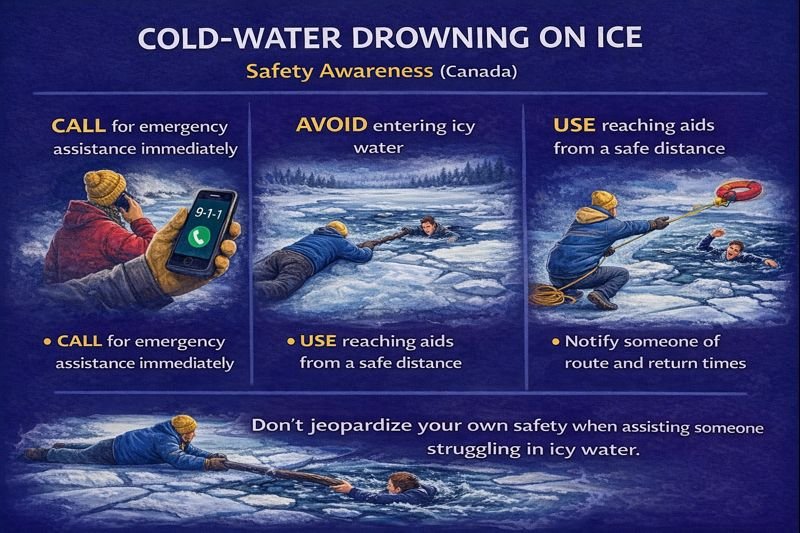
Cold-water drowning safety tips

Cold-Water Drowning on Ice: Safety Awareness, Response & First Aid Considerations (Canada)

Understanding Cold-Water Drowning on Ice Cold-water drownings can occur during winter recreation, ice fishing, skating, walking on frozen lakes, or workplace tasks near bodies of water. Icy water rapidly drains heat from the body, increasing the risk of hypothermia and unconsciousness. Awareness of safe response practices can reduce danger to both the victim and would-be […]
Cold-Water Drowning on Ice: Safety Awareness, Response & First Aid Considerations (Canada) Read More »

Occupational overuse syndrome prevention guide

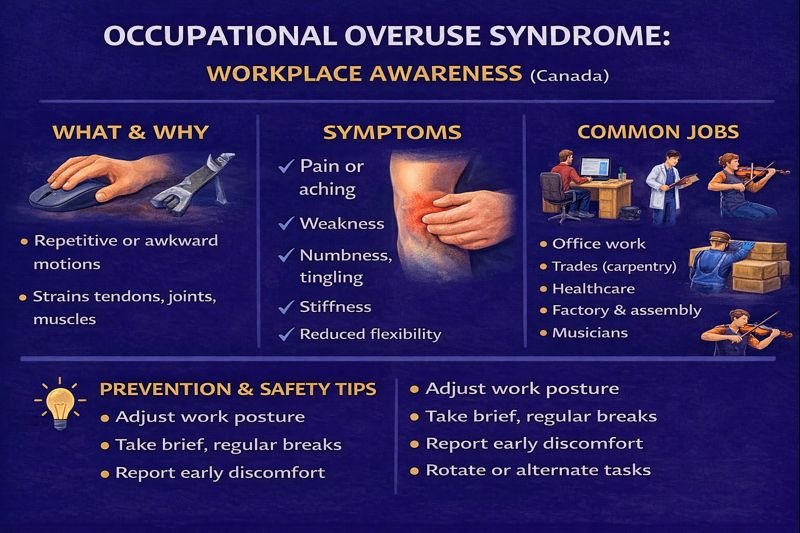
Occupational Overuse Syndrome: Workplace Awareness & First Aid Considerations (Canada)

What Is Occupational Overuse Syndrome? Occupational overuse syndrome (sometimes called repetitive strain injury) refers to discomfort, irritation, or injury caused by repetitive movements, awkward postures, or prolonged positioning at work. It most commonly affects the hands, wrists, elbows, fingers, shoulders, and neck, but it can involve other regions depending on the task. Why This Matters

Occupational Overuse Syndrome: Workplace Awareness & First Aid Considerations (Canada) Read More »

Elastic knee sleeves fit and safety

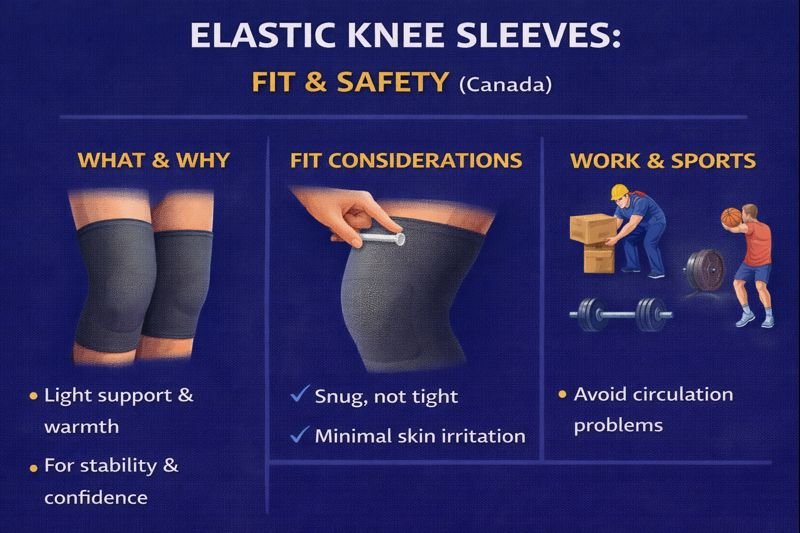
Elastic Knee Sleeves: Support, Fit Awareness & Injury Prevention Considerations (Canada)

What Are Elastic Knee Sleeves? Elastic knee sleeves are supportive garments worn around the knee to provide light compression and stability during daily activities, sports, or workplace tasks. They do not immobilize the joint but offer gentle support and may improve comfort for individuals who feel their knee is weak or unsteady. Why This Matters

Elastic Knee Sleeves: Support, Fit Awareness & Injury Prevention Considerations (Canada) Read More »

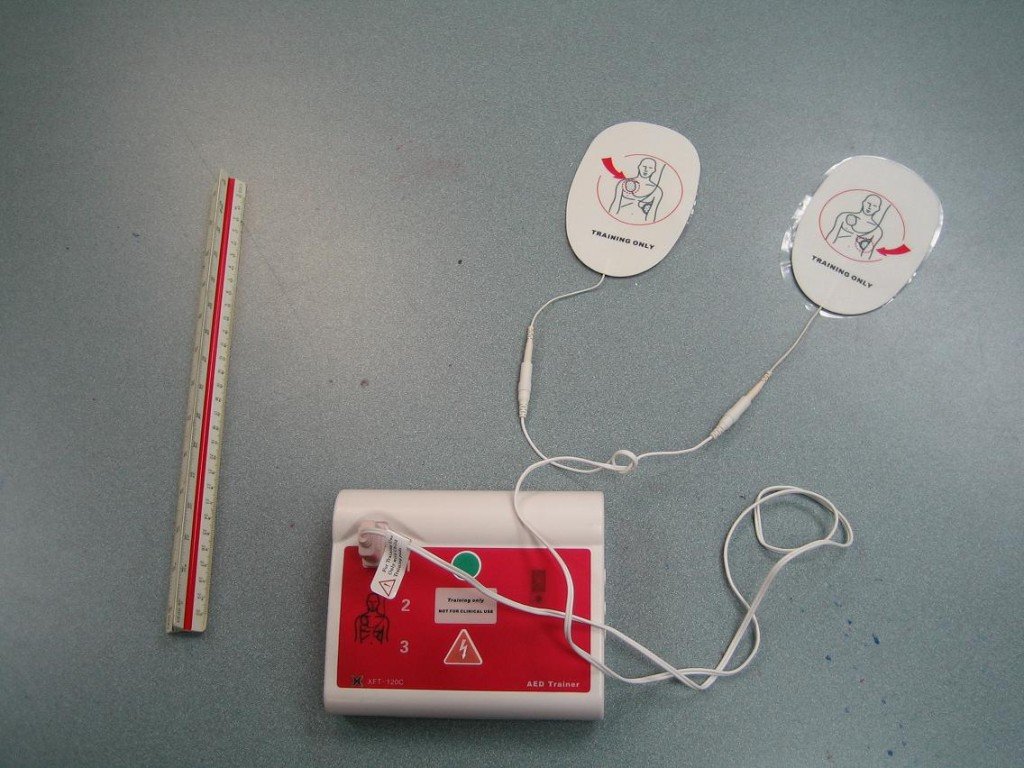
AED

AED Readiness & Workplace Safety: Why Regular Checks Matter (Canada)

What Is an AED? An AED (Automated External Defibrillator) is a portable medical device designed to analyze heart rhythm and deliver a shock during sudden cardiac arrest. AEDs are commonly found in workplaces, public facilities, community centres, schools, and sports venues. Why AED Readiness Matters for First Aid & Workplaces Sudden cardiac arrest can occur

AED Readiness & Workplace Safety: Why Regular Checks Matter (Canada) Read More »

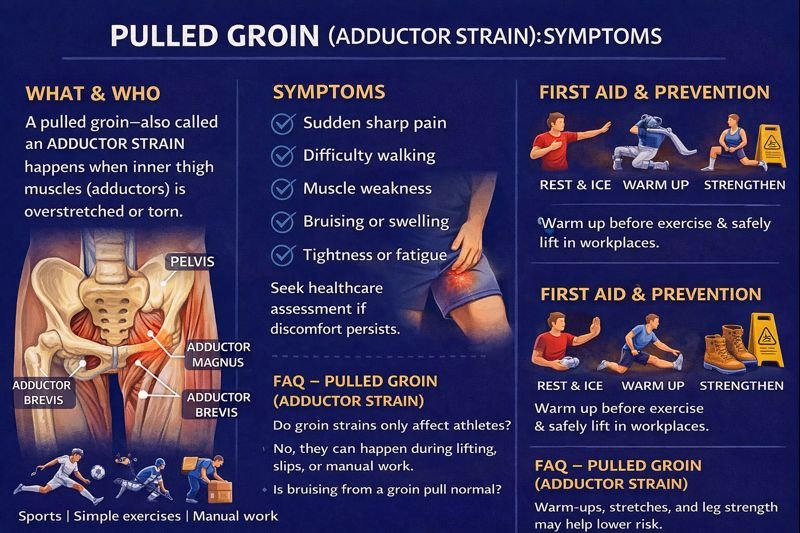
Pulled groin injury infographic

Pulled Groin (Adductor Strain): Symptoms, Causes & First Aid Awareness (Canada)

What Is a Pulled Groin? A pulled groin—often called an adductor strain—happens when one of the muscles on the inner thigh (adductors) is overstretched or torn. These muscles connect the pelvis to the femur and help bring the legs together, stabilize the hips, and support movement. Why This Matters for First Aid & Workplaces Groin

Pulled Groin (Adductor Strain): Symptoms, Causes & First Aid Awareness (Canada) Read More »

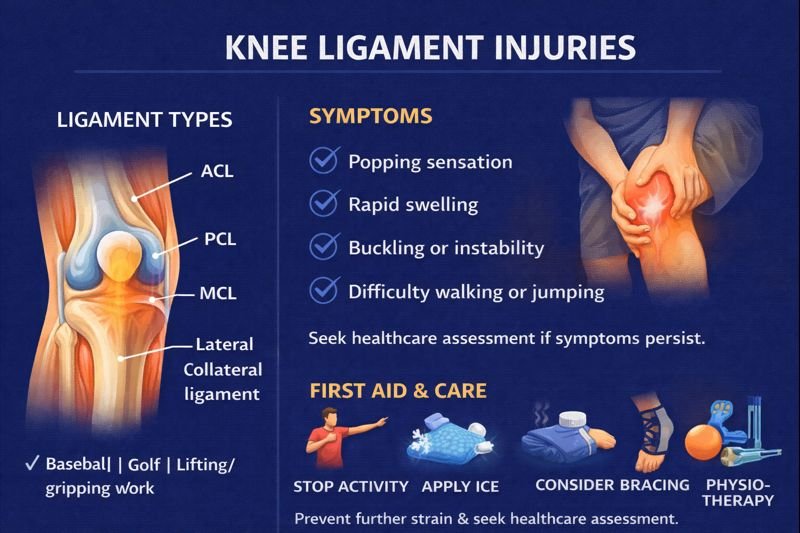
Knee ligament injuries symptoms and care

Symptoms of a torn knee ligament

What Are Knee Ligaments? The knee has four major ligaments that help keep it stable and allow controlled movement: Anterior Cruciate Ligament (ACL) Posterior Cruciate Ligament (PCL) Medial Collateral Ligament (MCL) Lateral Collateral Ligament (LCL) The cruciate ligaments (ACL & PCL) control forward-backward motion of the shin bone, while the collateral ligaments (MCL & LCL)

Symptoms of a torn knee ligament Read More »

Pitcher’s Elbow (Medial Epicondylitis): Symptoms, Causes & First Aid Awareness (Canada)

What Is Pitcher’s Elbow? Pitcher’s elbow—also called medial epicondylitis—is irritation of the tendons on the inside (medial side) of the elbow. These tendons help bend the wrist toward the palm. When stressed by repetitive activities or forceful motions, discomfort can develop and travel down toward the wrist. Why This Matters for First Aid & Workplaces

Pitcher’s Elbow (Medial Epicondylitis): Symptoms, Causes & First Aid Awareness (Canada) Read More »

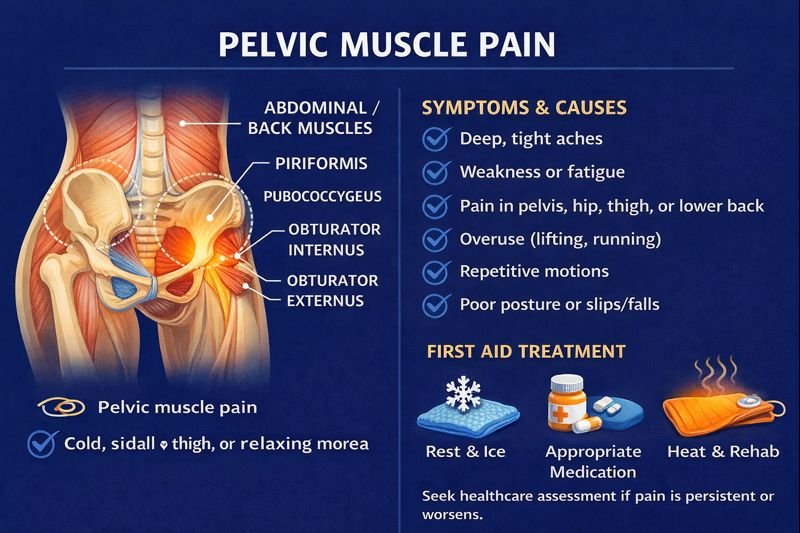
Pelvic muscle pain guide

Pelvic Muscle Pain: Symptoms, Causes & First Aid Awareness (Canada)

What Are the Pelvic Muscles? Pelvic muscles include deep muscles located inside the pelvic region and external muscles that attach to the hips, thighs, abdomen, and lower back. These muscles support posture, movement, lifting, walking, and balance. Because many muscle groups attach to or pass near the pelvis, discomfort can be felt in several areas,

Pelvic Muscle Pain: Symptoms, Causes & First Aid Awareness (Canada) Read More »

Shopping Cart
Scroll to Top