February 2014

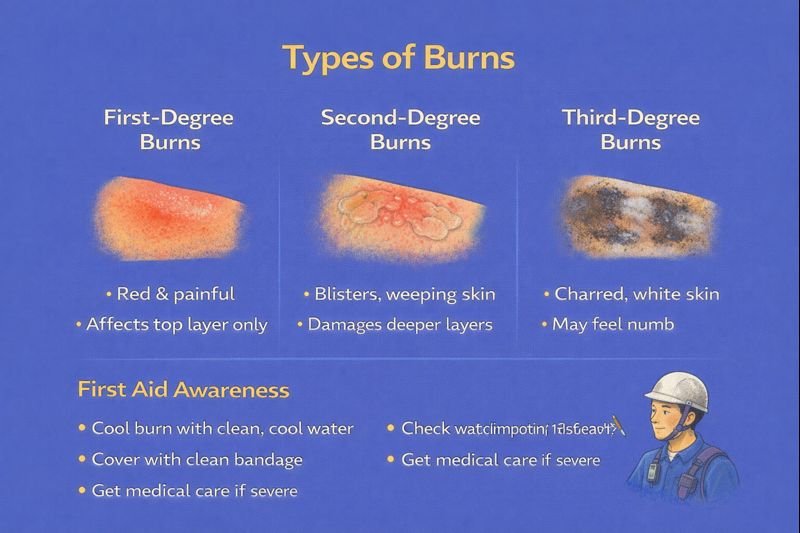
Types of burns and first aid tips

Burn Severity: Understanding First-, Second-, and Third-Degree Burns

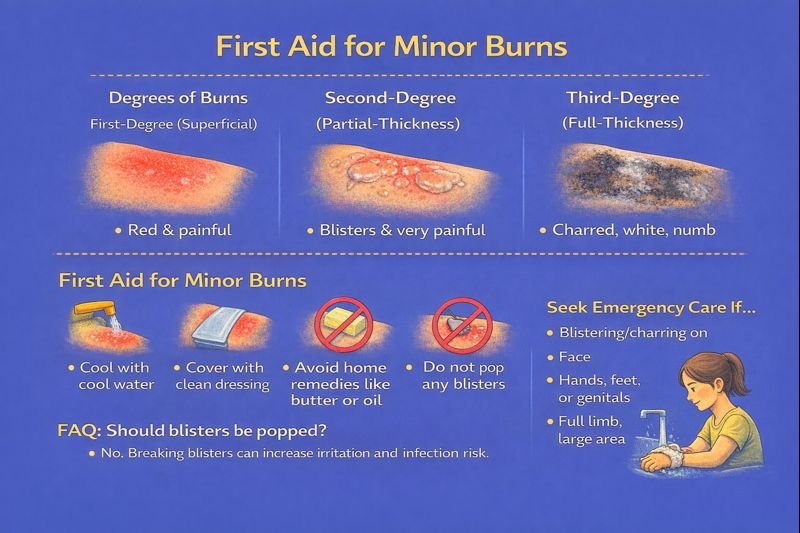
Burn Severity: Understanding First-, Second-, and Third-Degree Burns Burns are categorized by how deeply they damage the skin. Severity is influenced by temperature, contact time, and the body area affected. Knowing how burns differ helps with first aid awareness and recognizing when more advanced care may be required. First Aid & Workplace Relevance  Burns are

Burn Severity: Understanding First-, Second-, and Third-Degree Burns Read More »

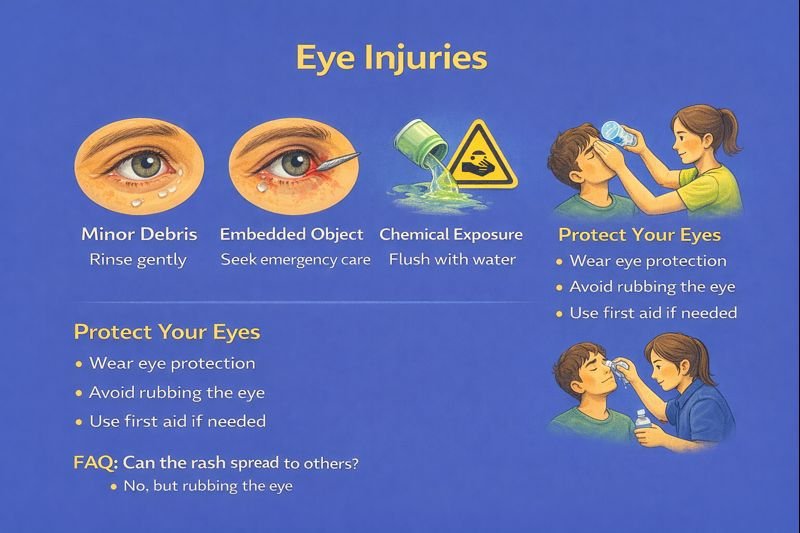
Eye injury prevention and treatment guide

Eye Injuries: First Aid Awareness for Sports, Home & Work Environments

Eye Injuries: First Aid Awareness for Sports, Home & Work Environments Eye injuries can happen unexpectedly during sports, home projects, or workplace tasks—especially in settings with flying debris, tools, or chemicals. Even small particles can irritate the eye, while more serious injuries may require urgent medical attention. First Aid & Workplace Relevance  Canadian workplaces such

Eye Injuries: First Aid Awareness for Sports, Home & Work Environments Read More »

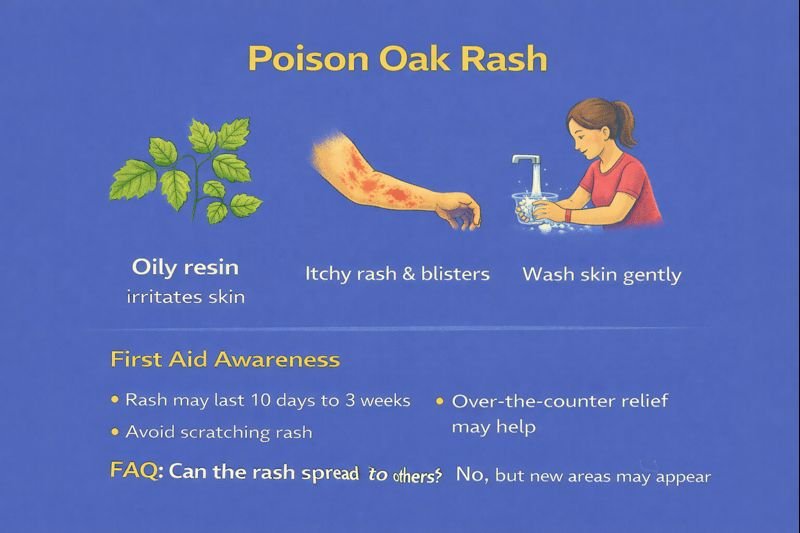
Poison oak rash prevention guide

Poison Oak: Rash Symptoms, First Aid Awareness & Outdoor Safety

Poison Oak: Rash Symptoms, First Aid Awareness & Outdoor Safety Poison oak is a plant that produces urushiol, an oily resin found on its leaves, stems, and roots. When urushiol touches the skin, it can trigger an allergic contact dermatitis—an itchy, often blistering rash. Reactions can be uncomfortable but usually clear with time and basic

Poison Oak: Rash Symptoms, First Aid Awareness & Outdoor Safety Read More »

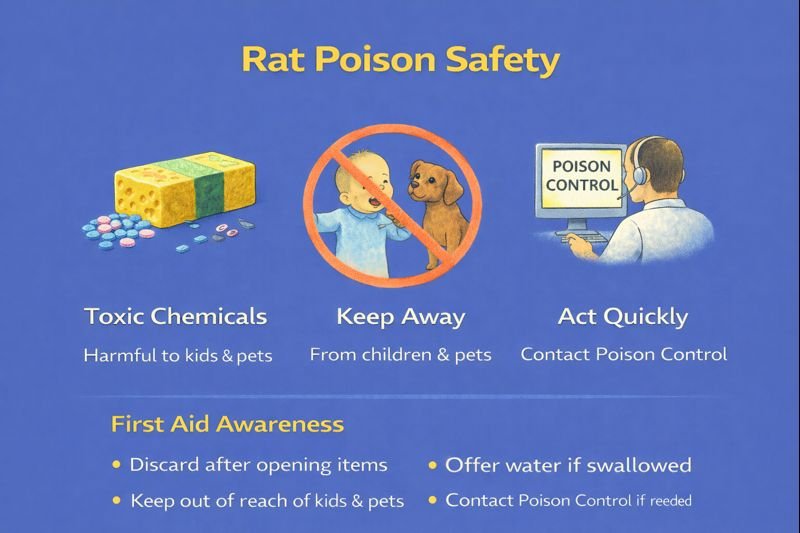
Rat poison safety tips infographic

Rat Poisons: Household Awareness, Risks & First Aid Context (Canada)

Rat Poisons: Household Awareness, Risks & First Aid Context (Canada) Rat poisons (rodenticides) are designed to kill rodents. Because they are toxic chemicals, accidental exposures involving children and pets are a significant concern. Understanding how these products work, why they are dangerous, and what actions are recommended in suspected exposures can improve household and workplace

Rat Poisons: Household Awareness, Risks & First Aid Context (Canada) Read More »

Silica gel packet safety guide

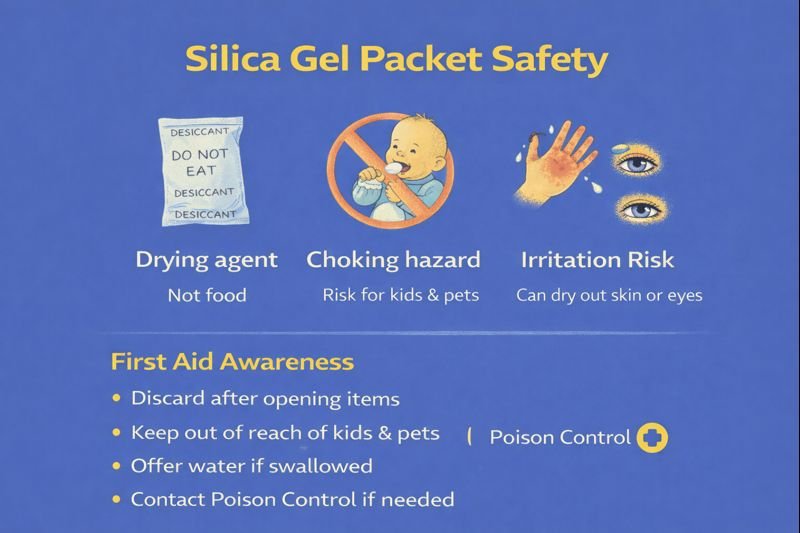
Silica Gel Packets: Safety, Exposure & First Aid Awareness (Canada)

Silica Gel Packets: Safety, Exposure & First Aid Awareness (Canada) Silica gel packets are commonly found in items such as shoes, bags, vitamins, electronics and packaged goods. Their purpose is to absorb moisture and protect products from damage due to humidity. Although silica gel is considered non-toxic, packets can still pose hazards—especially as choking risks

Silica Gel Packets: Safety, Exposure & First Aid Awareness (Canada) Read More »

Rat bite first aid guide

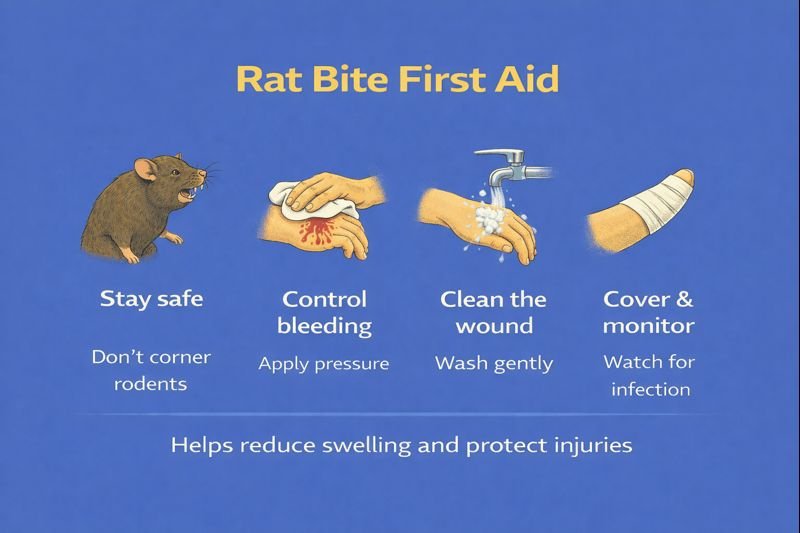
Rat Bites: First Aid Awareness, Infection Risk & Prevention (Canada)

Rat Bites: First Aid Awareness, Infection Risk & Prevention (Canada) Rats and other rodents can bite when frightened or handled. While most bites are not life-threatening, infection is the key concern, especially if the wound is deep or located on the hands or face. Awareness of first aid measures helps reduce complications and prompts timely

Rat Bites: First Aid Awareness, Infection Risk & Prevention (Canada) Read More »

RICE method for soft tissue injuries

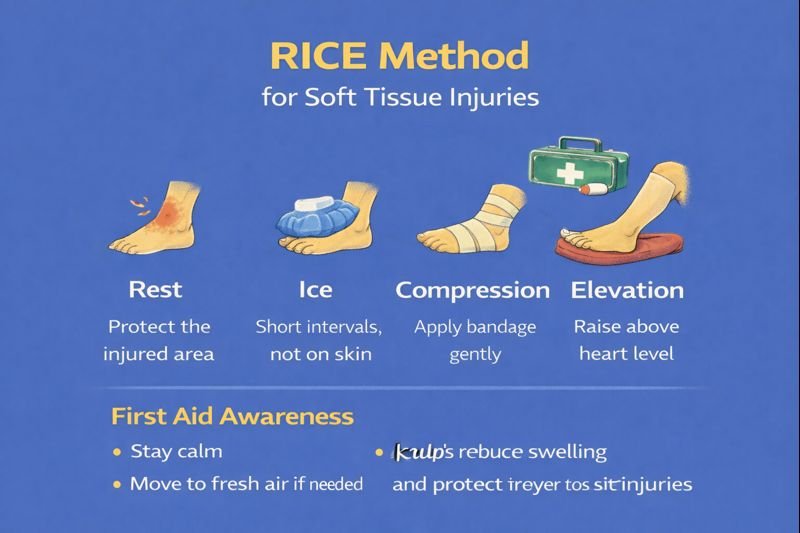
RICE Method for Soft Tissue Injuries: First Aid Awareness (Canada)

RICE Method for Soft Tissue Injuries: First Aid Awareness (Canada) Soft tissue injuries such as sprains, strains, or bruises are common in daily activities, sports, and physical work. Early first aid can support comfort and help protect the injured area while the body begins to repair damaged tissue. First Aid & Workplace Relevance In schools,

RICE Method for Soft Tissue Injuries: First Aid Awareness (Canada) Read More »

Shopping Cart
Scroll to Top

  • All stmarkjamestraining.ca content is reviewed by a medical professional and / sourced to ensure as much factual accuracy as possible.

  • We have strict sourcing guidelines and only link to reputable websites, academic research institutions and medical articles.

  • If you feel that any of our content is inaccurate, out-of-date, or otherwise questionable, please contact us through our contact us page.

The information posted on this page is for educational purposes only.
If you need medical advice or help with a diagnosis contact a medical professional