
Wound Care

Ischemic Wounds: Causes, Symptoms, and Wound Care Considerations

Ischemic Wounds: Causes, Symptoms, and Wound Care Considerations   Ischemic wounds develop when there is reduced or blocked blood flow to tissues, a condition known as arterial insufficiency. Because oxygen and essential nutrients cannot adequately reach the affected area, the skin and underlying tissues are unable to heal properly. These wounds most commonly affect the […]

Ischemic Wounds: Causes, Symptoms, and Wound Care Considerations Read More »
Wound Dehiscence: Causes, Warning Signs, and Emergency Care

Wound Dehiscence: Causes, Warning Signs, and Emergency Care   Wound dehiscence is a serious surgical complication in which a previously closed incision reopens along the suture line instead of healing as intended. Under normal circumstances, sutures or staples hold wound edges together long enough for new tissue to form. When dehiscence occurs, the wound margins

Wound Dehiscence: Causes, Warning Signs, and Emergency Care Read More »

Chickenpox (Varicella): Symptoms, Spread, and Care for Children

Chickenpox (Varicella): Symptoms, Spread, and Care for Children Chickenpox is a highly contagious viral illness caused by the varicella-zoster virus. Before routine vaccination, it was very common in childhood. In Canada, widespread immunization has greatly reduced cases, but chickenpox can still occur—especially in children who have not been vaccinated. Chickenpox most often appears in late

Chickenpox (Varicella): Symptoms, Spread, and Care for Children Read More »

Splinters in Children: First Aid Care, Infection Prevention, and Safety in Canada

Splinters in Children: First Aid Care, Infection Prevention, and Safety in Canada Splinters are a common minor injury in children, especially because many kids walk barefoot and play in environments where sharp materials are present. Backyards, wooden decks, playground equipment, parks, and gardens are frequent sources. From a first aid and child safety perspective, splinters

Splinters in Children: First Aid Care, Infection Prevention, and Safety in Canada Read More »

Paronychia: Nail Bed Infection, First Aid Care, and Workplace Safety in Canada

Paronychia: Nail Bed Infection, First Aid Care, and Workplace Safety in Canada Paronychia is an inflammation or infection of the skin around the fingernail or toenail. It most often affects the base of the nail, where the skin can become red, warm, swollen, and painful. In some cases, pus collects under the skin, increasing pressure

Paronychia: Nail Bed Infection, First Aid Care, and Workplace Safety in Canada Read More »

Chigger Bites in Children: First Aid Care, Itch Relief, and Outdoor Safety in Canada

Chigger Bites in Children: First Aid Care, Itch Relief, and Outdoor Safety in Canada Children who spend a lot of time outdoors during spring and summer are more likely to develop chigger bites. These bites typically appear as small, red, intensely itchy bumps that can be very uncomfortable but are usually not dangerous. From a

Chigger Bites in Children: First Aid Care, Itch Relief, and Outdoor Safety in Canada Read More »

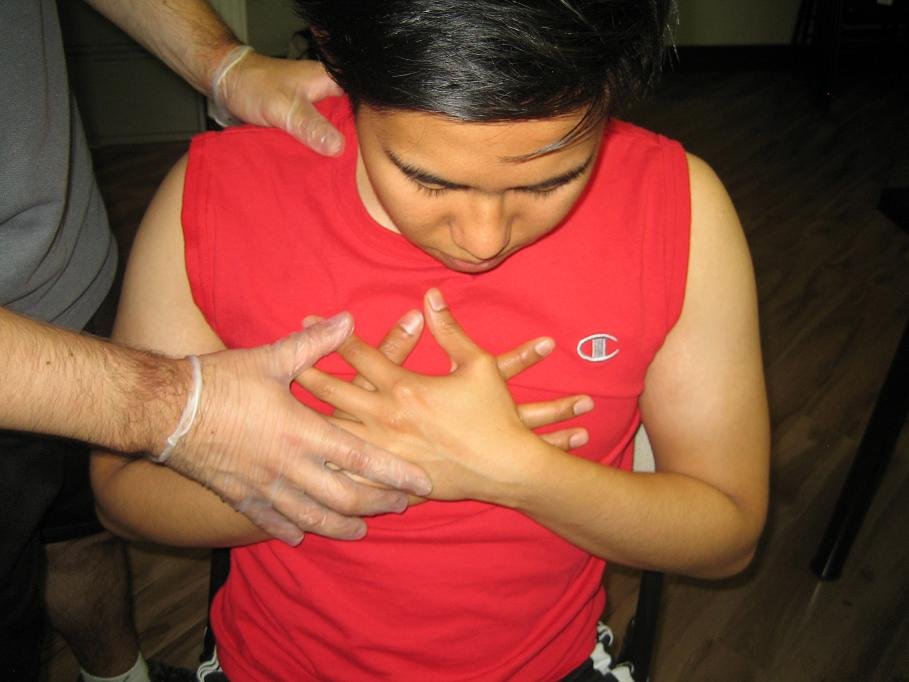
Sucking Chest Wound: Life-Threatening First Aid Emergency in Canada

Sucking Chest Wound: Life-Threatening First Aid Emergency in Canada A sucking chest wound is a serious, life-threatening injury caused by a penetrating wound to the chest that allows air to enter the chest cavity through the injury instead of only through the mouth and nose. This disrupts normal breathing mechanics and can quickly lead to

Sucking Chest Wound: Life-Threatening First Aid Emergency in Canada Read More »

Dog Bites: First Aid Response, Infection Prevention, and Safety in Canada

Dog Bites: First Aid Response, Infection Prevention, and Safety in Canada Dog bites are common injuries, particularly among children. While many bites are minor, all dog bites should be taken seriously because of the risk of infection, tissue damage, and—rarely in Canada—rabies exposure. From a first aid, CPR, and workplace safety perspective, managing a dog

Dog Bites: First Aid Response, Infection Prevention, and Safety in Canada Read More »

Canker Sores: What They Are, How to Relieve Pain, and When to Seek Care

Canker Sores: What They Are, How to Relieve Pain, and When to Seek Care A canker sore (also called an aphthous ulcer) is a small, painful mouth ulcer that usually heals on its own within 7–10 days. While not dangerous, canker sores can make eating, drinking, and speaking uncomfortable, especially for children. From a first

Canker Sores: What They Are, How to Relieve Pain, and When to Seek Care Read More »

Shopping Cart
Scroll to Top