Sudden Medical Emergencies

Pink Eye (Conjunctivitis) in Infants and Children: First Aid Awareness for Parents and Caregivers

Pink eye, also known as conjunctivitis, is a very common condition that affects infants, children, and adults. In young children—especially from birth to about 6 years of age—pink eye is frequently seen in homes, daycares, and school settings across Canada. From a first aid and childcare safety perspective, understanding the signs of pink eye helps […]

Pink Eye (Conjunctivitis) in Infants and Children: First Aid Awareness for Parents and Caregivers Read More »

Heat exhaustion

Heat Exhaustion: First Aid, Prevention, and the Role of Food & Hydration (Canada)

Heat exhaustion occurs when the body produces more heat than it can release, most often during hot weather, physical exertion, or prolonged outdoor work—especially when dehydration is present. In Canada, heat-related illnesses are a growing concern during summer heat waves, outdoor sporting events, construction work, and community festivals. From a first aid and workplace safety

Heat Exhaustion: First Aid, Prevention, and the Role of Food & Hydration (Canada) Read More »

Fruit Allergies: Symptoms, Triggers, and First Aid Awareness in Canada

Fruit allergies occur when the immune system mistakenly identifies proteins in certain fruits as harmful. In response, the body releases immunoglobulin E (IgE) antibodies, triggering an allergic reaction shortly after the fruit is eaten—or sometimes even after trace exposure. For many Canadians, fruit allergies cause mild mouth or digestive symptoms, but in some cases they

Fruit Allergies: Symptoms, Triggers, and First Aid Awareness in Canada Read More »

asthma-attack

Yellow Food Dye Allergy: Symptoms, First Aid Response, and Food Safety Awareness in Canada

Yellow food dye, commonly found in processed foods, medications, and beverages, is known to trigger mild to severe allergic or sensitivity reactions in some individuals. These reactions are typically linked to synthetic dyes such as tartrazine (Yellow No. 5) and related chemical compounds. From a Canadian first aid, CPR, workplace safety, and food safety training

Yellow Food Dye Allergy: Symptoms, First Aid Response, and Food Safety Awareness in Canada Read More »

Fish Allergy and Eczema: Recognizing Skin Reactions, First Aid Response, and Food Safety in Canada

A common sign of a fish allergy is the development of eczema or other skin rashes shortly after eating seafood, including fish. If an individual eats fish and then develops a blister-like rash that oozes, weeps, or crusts, this strongly suggests an allergic reaction to fish. Fish allergies affect millions of people worldwide, including many

Fish Allergy and Eczema: Recognizing Skin Reactions, First Aid Response, and Food Safety in Canada Read More »

Puffy Eyes After Eating Fish: Food Allergy Warning Signs & First Aid in Canada

Puffy eyes that develop shortly after eating fish can be a sign of a food allergy — one of the most common triggers of serious reactions in both children and adults. Fish and shellfish allergies are often lifelong, and in some individuals can progress to anaphylaxis, a medical emergency. In Canada, fish is considered a

Puffy Eyes After Eating Fish: Food Allergy Warning Signs & First Aid in Canada Read More »

Seasonal Allergies in Canada

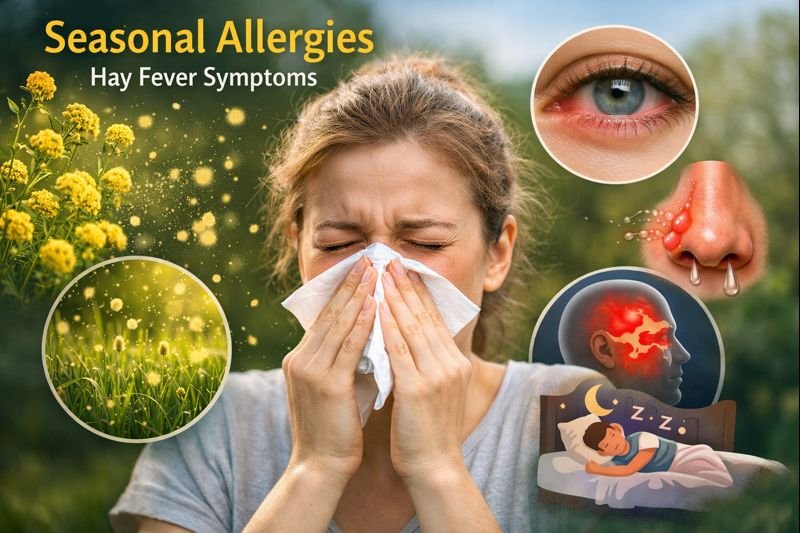
Seasonal Allergies in Canada: Why Hay Fever Feels Like a Never-Ending Cold

Seasonal allergies — also called hay fever or seasonal allergic rhinitis — affect millions of Canadians each year, particularly during spring and late summer. Although symptoms can mimic the common cold, seasonal allergies are immune reactions to airborne pollen from trees, grasses, and flowers. Pollen exposure activates an inflammatory response in the airways, causing symptoms

Seasonal Allergies in Canada: Why Hay Fever Feels Like a Never-Ending Cold Read More »

Chest pain when running in cold

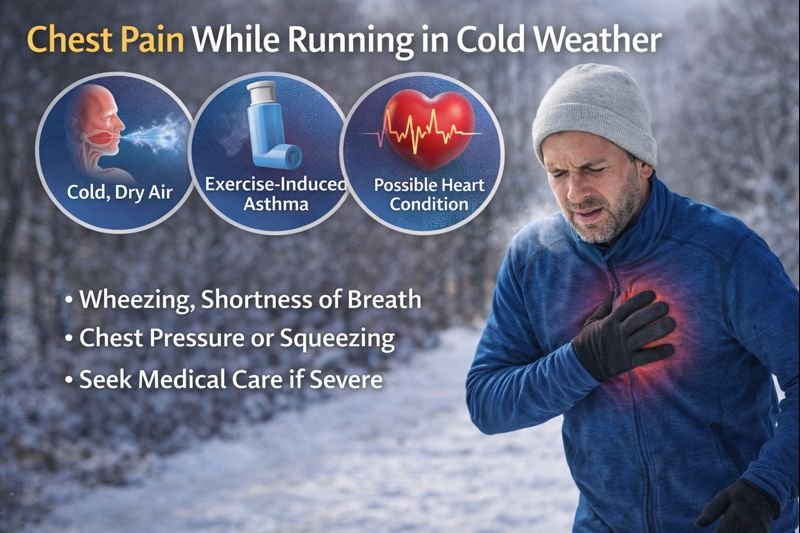
Chest Pain While Running in Cold Weather: What Canadians Should Know

  Running is a popular recreational activity across Canada—from urban trails in Vancouver to winter jogging in Ottawa or Montreal. While it offers cardiovascular benefits, some runners experience unexpected chest discomfort, especially when exercising outdoors in cold temperatures. Chest pain during exercise should never be ignored. Understanding possible causes helps determine when to stop activity,

Chest Pain While Running in Cold Weather: What Canadians Should Know Read More »

Head Pounding During Exercise

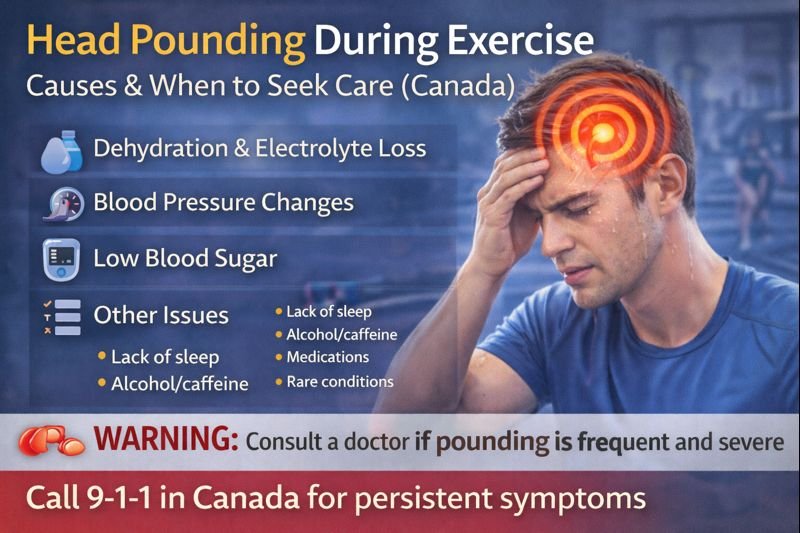
Head Pounding During Exercise: Causes & When to Seek Care (Canada)

The sensation of head pounding during physical activity can be alarming, but it’s not always caused by a serious condition. Many cases are linked to dehydration, insufficient nutrition, or fatigue. However, if pounding persists despite being well-hydrated and rested, an assessment by a healthcare provider is recommended — especially to rule out blood pressure-related concerns.

Head Pounding During Exercise: Causes & When to Seek Care (Canada) Read More »

Shopping Cart
Scroll to Top