Poisons

Acetaminophen Overdose: What Canadians Should Know

Acetaminophen Overdose: What Canadians Should Know   Acetaminophen (also known as paracetamol) is a widely used pain and fever medication found in many over-the-counter and prescription products, including Tylenol®. Because it is so common—and included in many combination cold and flu remedies—taking too much can happen more easily than people realize. This article is designed […]

Acetaminophen Overdose: What Canadians Should Know Read More »
Accidental Soap Poisoning: Risks, Symptoms, and What to Do

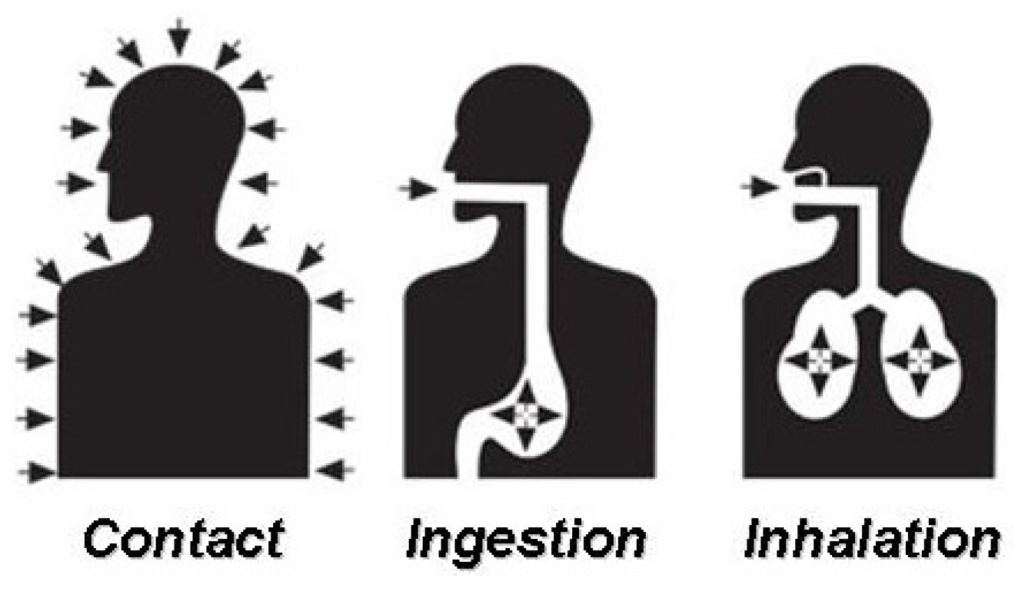
Accidental Soap Poisoning: Risks, Symptoms, and What to Do Accidental soap poisoning can occur when household cleaning products or personal care soaps containing strong chemicals are swallowed, inhaled, or come into contact with the eyes or skin. While many people think of soap as harmless, certain products—especially concentrated or commercial-grade cleaners—can cause serious injury when

Accidental Soap Poisoning: Risks, Symptoms, and What to Do Read More »

Carbon Tetrachloride Poisoning: Risks, Symptoms, and Safety Awareness

Carbon Tetrachloride Poisoning: Risks, Symptoms, and Safety Awareness Carbon tetrachloride is a highly toxic, man-made chemical that was once used in refrigerants, dry-cleaning agents, pesticides, and industrial cleaners. Because of its serious health risks, it is no longer used in most household products in Canada, but it may still be encountered in certain industrial or

Carbon Tetrachloride Poisoning: Risks, Symptoms, and Safety Awareness Read More »

Hydrocarbon Poisoning: Symptoms, Risks, and Emergency Care

Hydrocarbon Poisoning: Symptoms, Risks, and Emergency Care   Hydrocarbon poisoning occurs when substances such as fuels, solvents, or petroleum-based products are inhaled or swallowed. These products are commonly found in items like gasoline, kerosene, lighter fluid, paint thinners, and certain cleaning or industrial products. In Canada, hydrocarbon exposure is a serious safety concern—especially for young

Hydrocarbon Poisoning: Symptoms, Risks, and Emergency Care Read More »

Mothball Poisoning: Risks, Symptoms, and Safe Handling

Mothball Poisoning: Risks, Symptoms, and Safe Handling Mothballs are classified as pesticides and are designed to slowly release toxic vapours that repel insects. Some types contain naphthalene, a chemical that can be harmful if swallowed, inhaled, or handled improperly. Even products marketed for household use can pose serious health risks—especially to children and pets. This

Mothball Poisoning: Risks, Symptoms, and Safe Handling Read More »

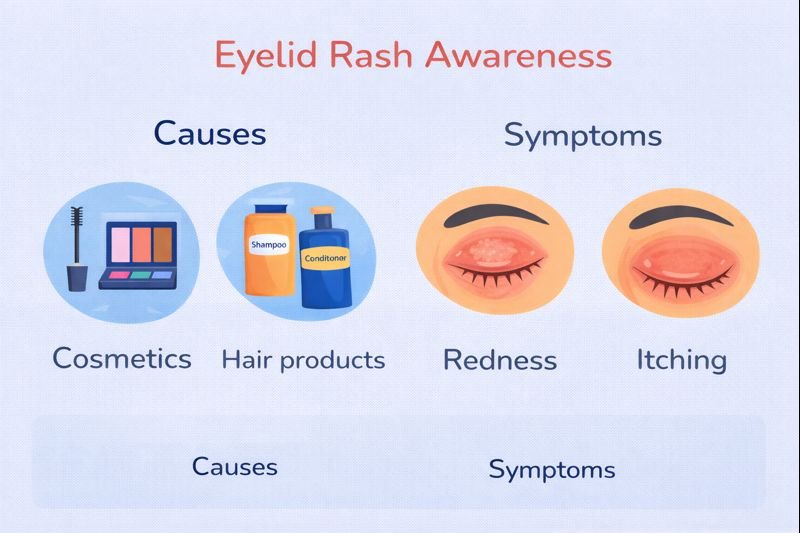
Eyelid rash

Eyelid rashes are considered as a common issue, particularly for women and can be triggered by various allergic reactions and autoimmune diseases. It is important to note that the skin over the eyelids is very thin and susceptible to rashes caused by allergies. Most individuals who experience eyelid rashes have allergic causes, often due to

Eyelid rash Read More »

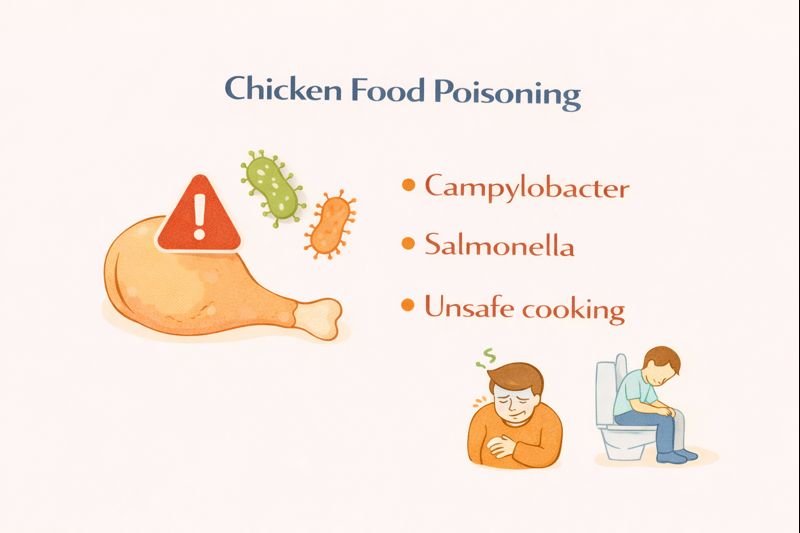
Can I experience lightheadedness during food poisoning?

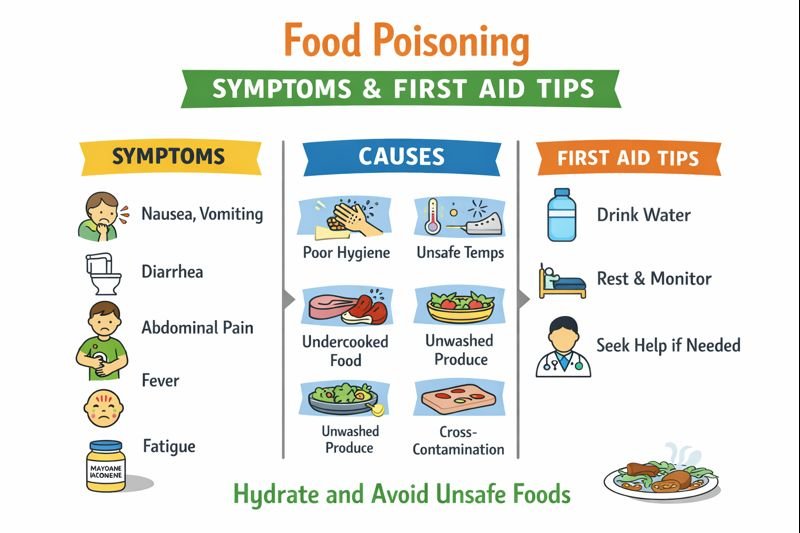
It is important to note that food poisoning is triggered by consumption of food that has been contaminated by parasites, bacteria or viruses. Food can be contaminated during the processing or production or due to poor handling or preparation. Food poisoning typically occurs after eating food from a cafeteria, restaurant, outdoor picnic or social event

Can I experience lightheadedness during food poisoning? Read More »

Shopping Cart
Scroll to Top