
Circulatory Emergencies

Hemochromatosis: Understanding Iron Overload and Long-Term Health Risks

Hemochromatosis: Understanding Iron Overload and Long-Term Health Risks   Hemochromatosis is a genetic condition in which the body absorbs too much iron from food. Over time, this excess iron accumulates in vital organs such as the liver, heart, and pancreas, leading to serious and potentially life-threatening damage if left untreated. In Canada, hemochromatosis is commonly […]

Hemochromatosis: Understanding Iron Overload and Long-Term Health Risks Read More »

Deep Vein Thrombosis (DVT): Blood Clots, Warning Signs, and When to Act

Deep Vein Thrombosis (DVT): Blood Clots, Warning Signs, and When to Act   Deep vein thrombosis (DVT) occurs when a blood clot forms in a deep vein, most commonly in the calf or thigh. Unlike surface clots, these clots are dangerous because they can travel to the lungs, causing a pulmonary embolism, which is a

Deep Vein Thrombosis (DVT): Blood Clots, Warning Signs, and When to Act Read More »

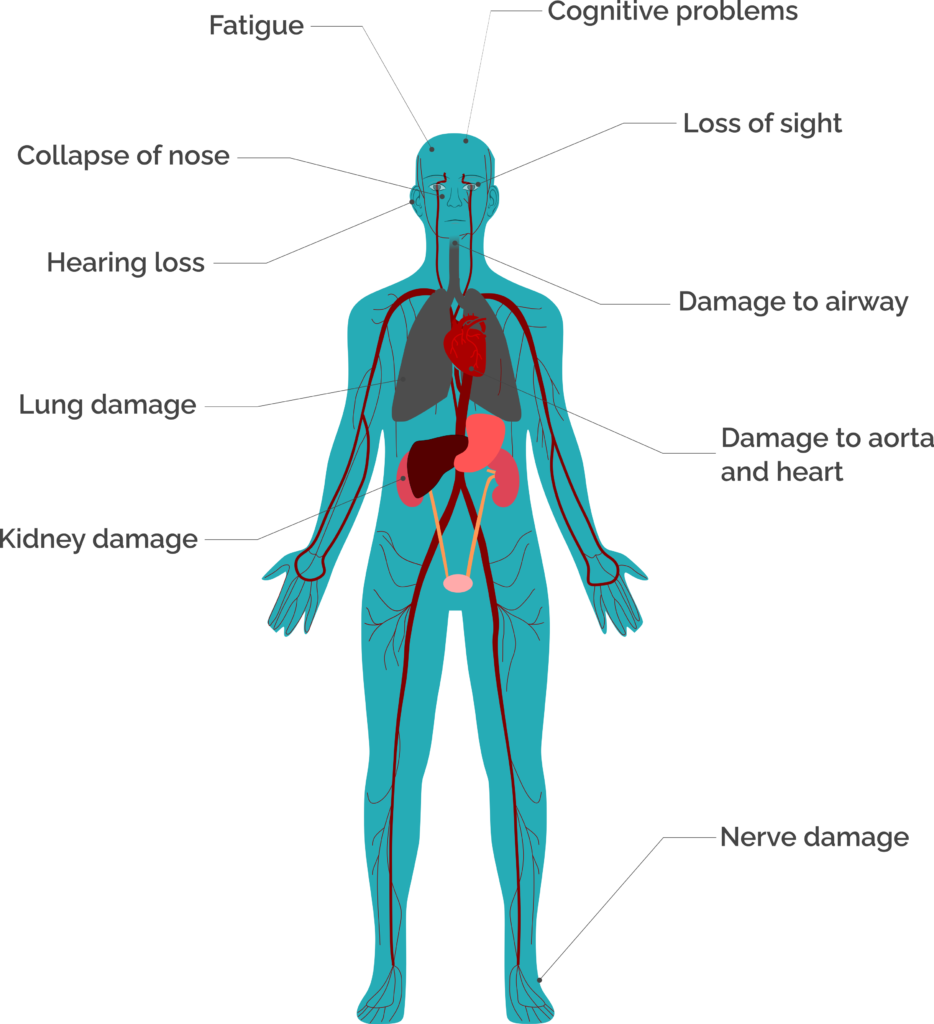
Polyarteritis Nodosa: A Rare but Serious Vascular Inflammatory Disease

Polyarteritis Nodosa: A Rare but Serious Vascular Inflammatory Disease Polyarteritis nodosa (PAN) is a rare form of vasculitis that involves inflammation of the medium-sized arteries, leading to reduced blood flow and damage to vital organs. The condition most commonly develops in middle-aged adults, particularly individuals in their 50s, but it can occur at any age.

Polyarteritis Nodosa: A Rare but Serious Vascular Inflammatory Disease Read More »

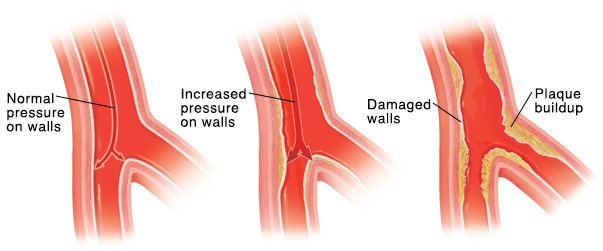
High Blood Pressure (Hypertension): Risks, Symptoms, and Emergency Warning Signs

High Blood Pressure (Hypertension): Risks, Symptoms, and Emergency Warning Signs High blood pressure (hypertension) is a common but often silent medical condition affecting millions of Canadians. Many individuals live with high blood pressure for years without noticeable symptoms. However, the absence of symptoms does not mean the condition is harmless. Uncontrolled high blood pressure damages

High Blood Pressure (Hypertension): Risks, Symptoms, and Emergency Warning Signs Read More »

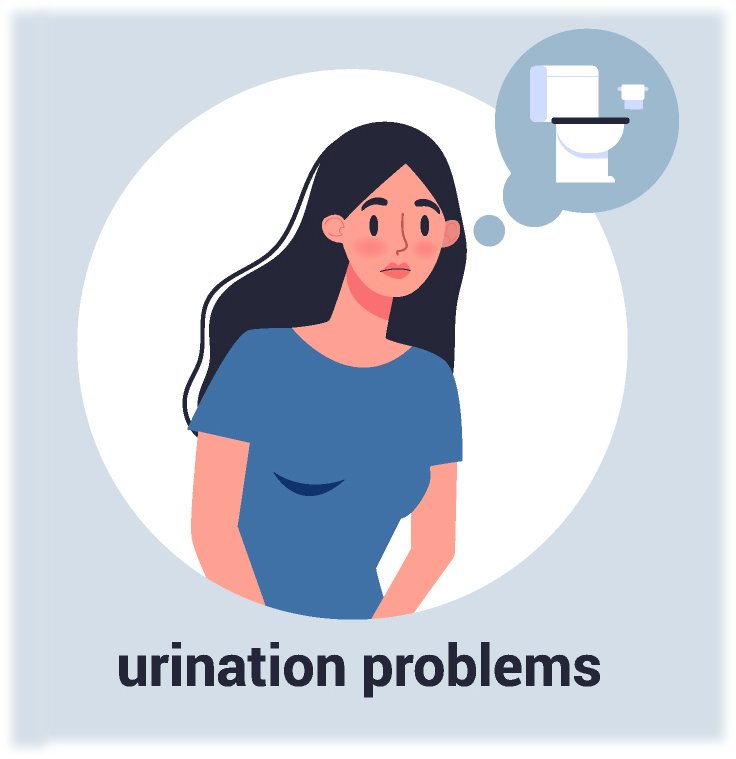
Diabetes Insipidus: Causes, Symptoms, and Management

Diabetes Insipidus: Causes, Symptoms, and Management Diabetes insipidus is an uncommon condition that develops when the kidneys are unable to conserve water properly. This results in excessive thirst and the production of large volumes of diluted urine. Despite sharing the name “diabetes,” this condition is not related to diabetes mellitus (blood sugar disorders). In Canada,

Diabetes Insipidus: Causes, Symptoms, and Management Read More »

Exercise-Related Edema: Swollen Hands, Feet, and Legs Explained

Exercise-Related Edema: Swollen Hands, Feet, and Legs Explained   Swelling of the hands, feet, or lower legs—known as edema—is a common and usually harmless occurrence during or shortly after exercise. It is especially noticeable during warm weather, pregnancy, or after eating salty foods, all of which promote fluid retention. From a first aid and public

Exercise-Related Edema: Swollen Hands, Feet, and Legs Explained Read More »

Understanding the A1C Test: What It Measures and Why It Matters

Understanding the A1C Test: What It Measures and Why It Matters The A1C level—also called HbA1c—refers to glucose-modified hemoglobin. Hemoglobin is the protein inside red blood cells that carries oxygen throughout the body. When glucose circulates in the bloodstream, some of it naturally attaches to hemoglobin, creating HbA1c. Because red blood cells circulate for several

Understanding the A1C Test: What It Measures and Why It Matters Read More »

Recognizing Anemia: Signs, Causes, and Why It Matters for First Aid & Safety

Recognizing Anemia: Signs, Causes, and Why It Matters for First Aid & Safety   Determining whether an individual has anemia can be challenging. The symptoms are often subtle, develop gradually, and vary depending on the underlying cause. In many cases, the body adapts over time, which can mask early warning signs—especially in otherwise active or

Recognizing Anemia: Signs, Causes, and Why It Matters for First Aid & Safety Read More »

Carotid Stenosis: Symptoms, Stroke Risk & When to Seek Emergency Care (Canada)

Carotid Stenosis: Symptoms, Stroke Risk & When to Seek Emergency Care (Canada) Carotid stenosis occurs when the carotid arteries in the neck become narrowed, often due to atherosclerosis — the gradual buildup of plaque on arterial walls. These arteries supply the brain with oxygenated blood, so narrowing can significantly impact brain function. If blood and

Carotid Stenosis: Symptoms, Stroke Risk & When to Seek Emergency Care (Canada) Read More »

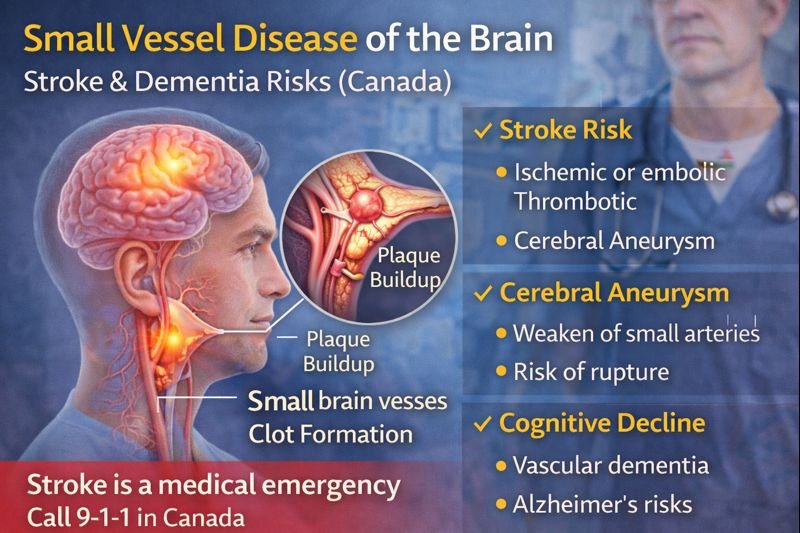
Small Vessel Disease of the Brain — What to Know (Canada)

Small Vessel Disease of the Brain — What to Know (Canada) The body’s blood vessels transport oxygen and nutrients to every organ, including the brain. Small vessel disease of the brain disrupts that blood flow and affects how oxygen and nutrients are exchanged. Over time, this can injure brain tissue and increase the risk of

Small Vessel Disease of the Brain — What to Know (Canada) Read More »

Shopping Cart
Scroll to Top