AEDs & Sudden Cardiac Arrest: Awareness & How They Work

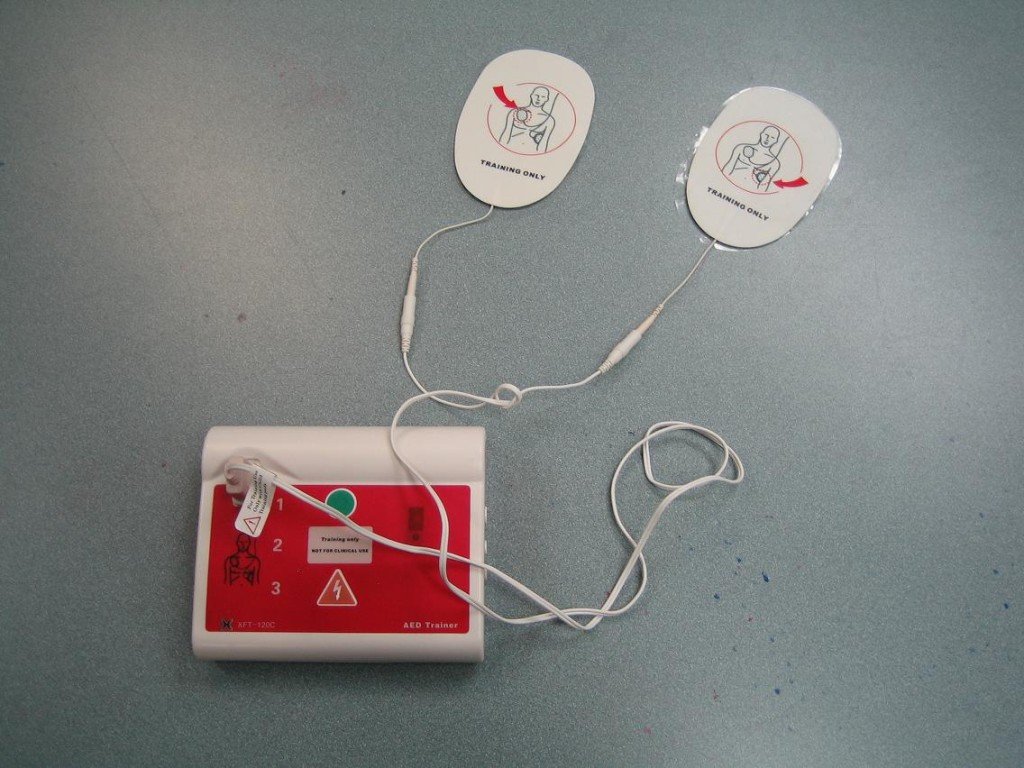
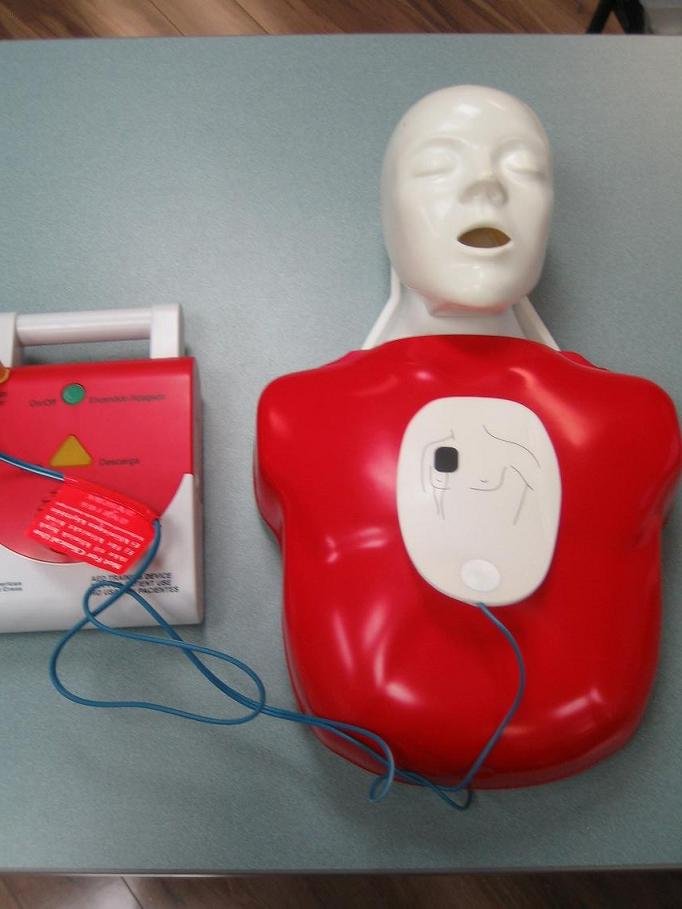
AEDs & Sudden Cardiac Arrest: Awareness & How They Work An automated external defibrillator (AED) is a portable device designed to analyse heart rhythm and advise whether an electrical shock may help restore a normal rhythm. AEDs are used during sudden cardiac arrest, a condition where the heart stops pumping effectively due to electrical dysfunction. […]

AEDs & Sudden Cardiac Arrest: Awareness & How They Work Read More »
Sudden cardiac arrest prevention infographic

Sudden Cardiac Arrest: Awareness, Signs & First Aid Context

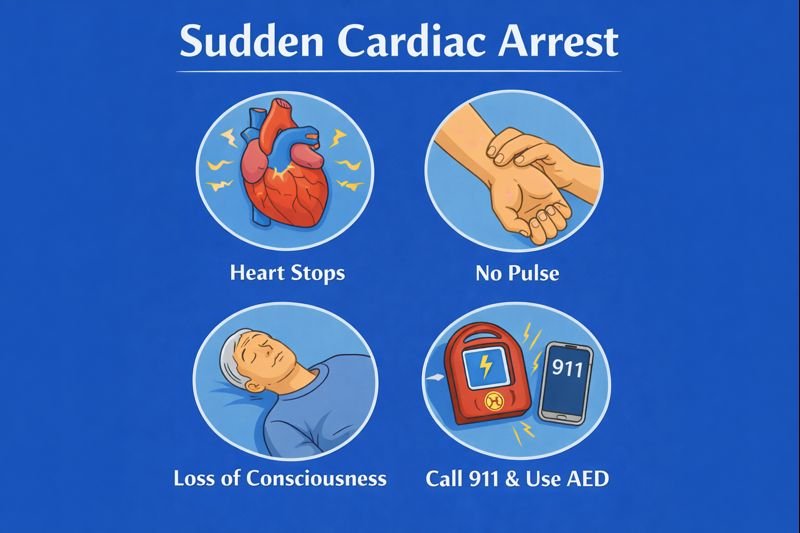
Sudden Cardiac Arrest: Awareness, Signs & First Aid Context Sudden cardiac arrest (SCA) occurs when the heart stops pumping effectively due to a disruption in its electrical system. This prevents blood from circulating to the brain and vital organs. Sudden cardiac arrest is considered a medical emergency and requires trained responders and emergency medical services.

Sudden Cardiac Arrest: Awareness, Signs & First Aid Context Read More »

Automated External Defibrillators (AEDs): What They Are & Why They Matter

Automated External Defibrillators (AEDs): What They Are & Why They Matter An automated external defibrillator (AED) is a portable device that can analyse heart rhythm and, if needed, deliver an electric shock to help restore a normal rhythm. AEDs are used during sudden cardiac arrest—when the heart stops pumping effectively and blood flow to the

Automated External Defibrillators (AEDs): What They Are & Why They Matter Read More »

Groin Muscle Pain (Groin Strain): Causes, Symptoms & Prevention

Groin Muscle Pain (Groin Strain): Causes, Symptoms & Prevention Groin muscle pain is commonly caused by a groin strain, which occurs when the inner thigh muscles are stretched beyond their normal range. This stretching can lead to small muscle fibre tears that cause pain, swelling, and tenderness. The groin muscles (adductors) play an important role

Groin Muscle Pain (Groin Strain): Causes, Symptoms & Prevention Read More »

Infographic on broken leg care

Broken Leg: Symptoms, Causes & First Aid Awareness

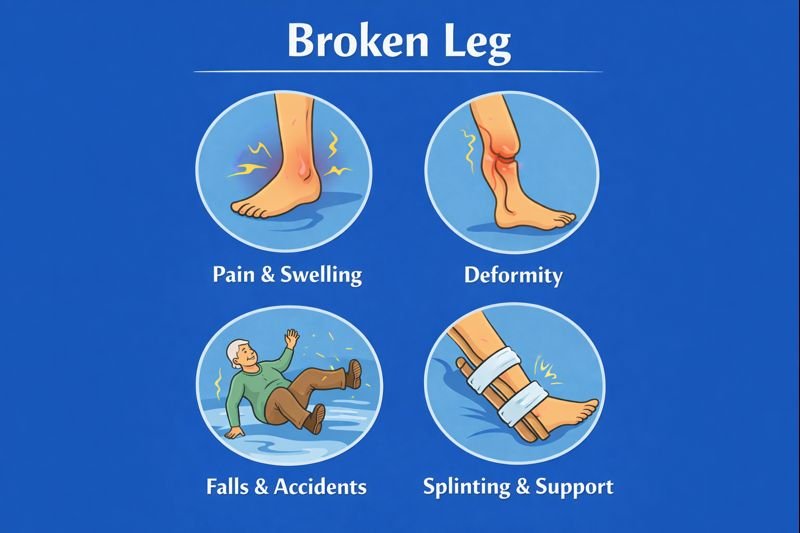
Broken Leg: Symptoms, Causes & First Aid Awareness A broken leg (leg fracture) is a common injury resulting from falls, sports, recreational activities, or motor vehicle incidents. While often painful and mobility-limiting, most broken legs are not life-threatening. Early recognition of fractures and safe first aid awareness can help prevent further harm. Relevance in Canadian

Broken Leg: Symptoms, Causes & First Aid Awareness Read More »

Infographic on broken leg care

Broken Arm: Signs, Symptoms & First Aid Awareness

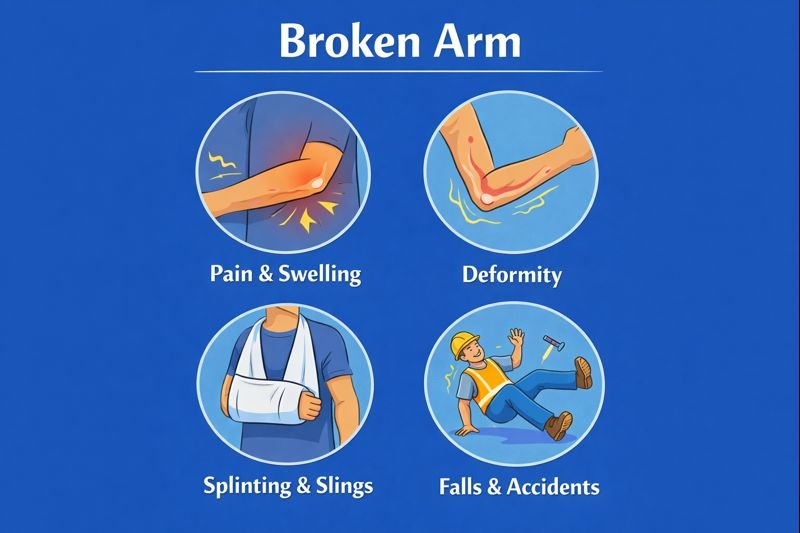
Broken Arm: Signs, Symptoms & First Aid Awareness A broken arm (arm fracture) can be painful and may limit movement, but it is typically not life-threatening. Knowing how to recognize a broken arm supports safer decisions in workplaces, sports, and community settings—especially after falls, collisions, or physical activity. Relevance in Canadian First Aid & Workplaces

Broken Arm: Signs, Symptoms & First Aid Awareness Read More »

Understanding orthostatic hypotension symptoms

Orthostatic Hypotension: Causes, Symptoms & First Aid Awareness

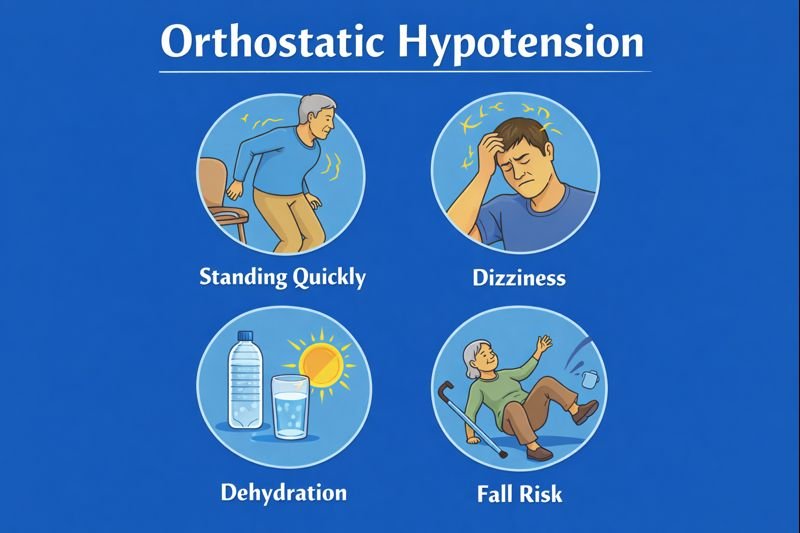
Orthostatic Hypotension: Causes, Symptoms & First Aid Awareness Orthostatic hypotension refers to a sudden drop in blood pressure when a person stands up quickly. Blood pressure reflects the force of blood against artery walls. When standing, gravity pulls blood toward the legs, and the body usually adjusts to maintain steady blood flow to the brain.

Orthostatic Hypotension: Causes, Symptoms & First Aid Awareness Read More »

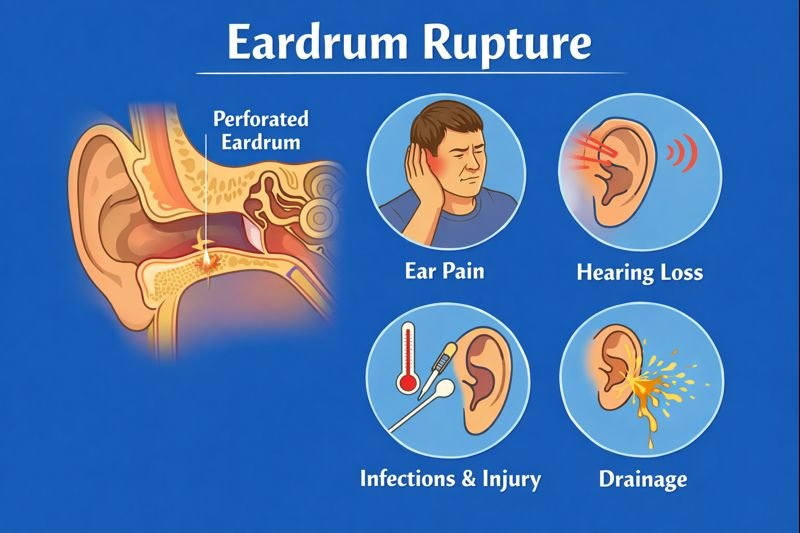
Eardrum rupture causes and symptoms

Eardrum Rupture (Perforated Eardrum): Symptoms, Causes & Prevention

Eardrum Rupture (Perforated Eardrum): Symptoms, Causes & Prevention An eardrum rupture (also called a perforated eardrum) is a small tear or hole in the tympanic membrane—the thin tissue that separates the outer ear canal from the middle ear. This membrane helps transmit sound vibrations, so damage can temporarily affect hearing. Most eardrum ruptures heal naturally

Eardrum Rupture (Perforated Eardrum): Symptoms, Causes & Prevention Read More »

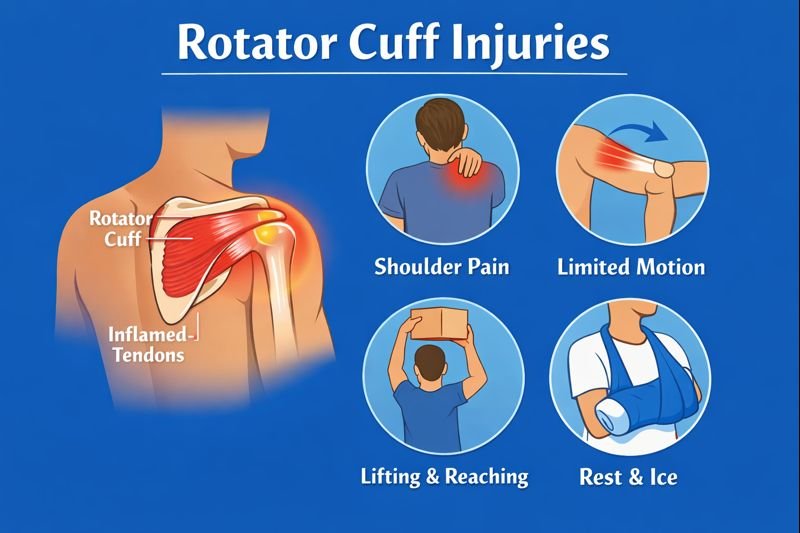
Rotator cuff injury infographic

Rotator Cuff Injuries: Causes, Symptoms, and Prevention

Rotator Cuff Injuries: Causes, Symptoms, and Prevention The rotator cuff is a group of four muscles and tendons that help stabilize the shoulder and support movements such as lifting, reaching, and rotating the arm. Injuries to the rotator cuff can include tendinitis, bursitis, strains, and tears. These injuries are common in activities that involve repetitive

Rotator Cuff Injuries: Causes, Symptoms, and Prevention Read More »

Shopping Cart
Scroll to Top