Group A Streptococcal Infections: First Aid Awareness for Canadians

Group A streptococcal infections are caused by bacteria that can lead to a range of illnesses. The most well-known is strep throat, which commonly affects school-aged children and teenagers across Canada. These bacteria can also cause skin infections, including cellulitis and impetigo. Group A strep infections spread through close contact, especially exposure to respiratory droplets […]

Group A Streptococcal Infections: First Aid Awareness for Canadians Read More »
Leptospirosis: Awareness, Symptoms, and Prevention in Canada

Leptospirosis is an infectious disease caused by Leptospira bacteria. These bacteria commonly infect both wild and domestic animals, including rodents, livestock, and pets. The bacteria are shed through animal urine and can survive in soil or freshwater for weeks or even months under the right conditions. In Canada, human infection most often occurs through outdoor

Leptospirosis: Awareness, Symptoms, and Prevention in Canada Read More »

Asthma

Asthma Management in Children: Awareness for Parents and Caregivers

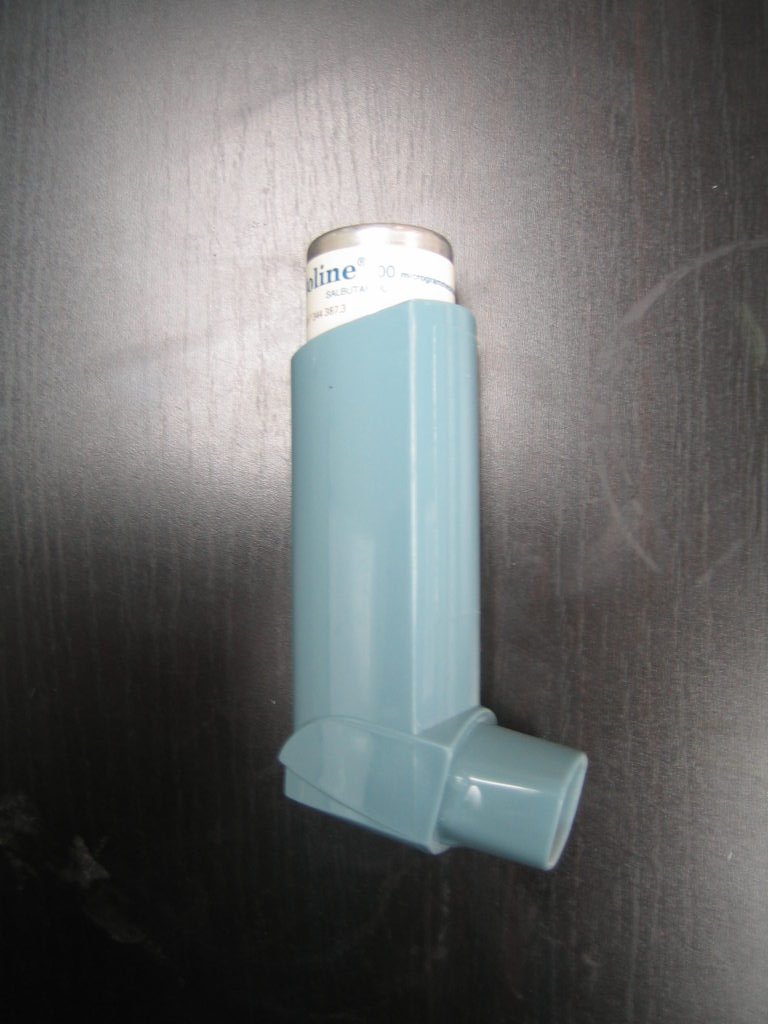
The primary goal in managing asthma is to control symptoms while allowing children to live active, healthy lives. With proper management, most children with asthma can participate fully in school, sports, and everyday activities. Ideally, asthma should be well controlled so that a child: Experiences symptoms no more than once or twice per week Is

Asthma Management in Children: Awareness for Parents and Caregivers Read More »

Shin pain

Shin Pain in Athletes: Causes, Symptoms, and First Aid Awareness

  Shin pain is a frequent complaint among athletes involved in running, jumping, or other high-impact activities. In Canada, it is commonly seen in recreational runners, youth sports, and seasonal training increases during spring and summer. Shin pain can be caused by several conditions, including: Shin splints (medial tibial stress syndrome) Compartment syndrome Stress fractures

Shin Pain in Athletes: Causes, Symptoms, and First Aid Awareness Read More »

Implantable Cardioverter-Defibrillator (ICD): What First Aiders Should Know

An implantable cardioverter-defibrillator (ICD) is a battery-powered medical device designed to correct dangerous heart rhythms and help prevent sudden cardiac death. The device is implanted in the chest and connected to the heart through one or more insulated wires (leads) placed through a vein. An ICD may be recommended for individuals who have experienced a

Implantable Cardioverter-Defibrillator (ICD): What First Aiders Should Know Read More »

Shopping Cart
Scroll to Top