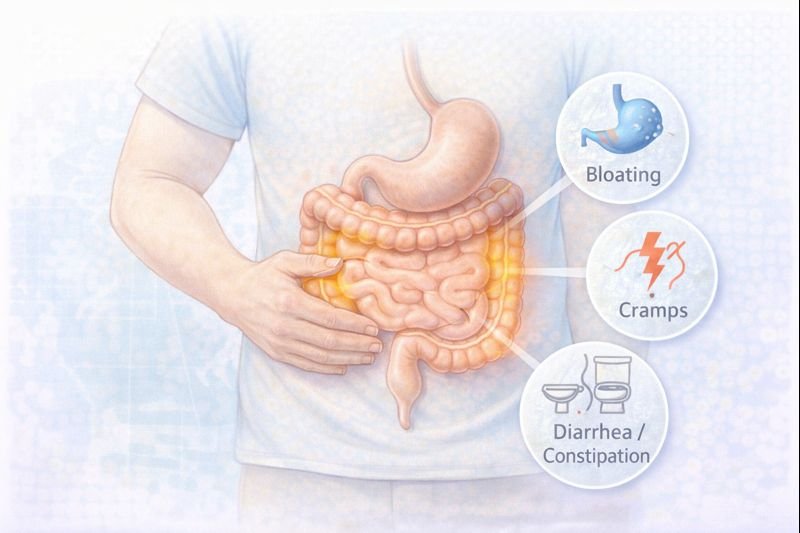
Understanding Irritable Bowel Syndrome Symptoms

Understanding Irritable Bowel Syndrome (IBS) in Canada: Symptoms, Triggers & Living Well

Irritable bowel syndrome (IBS) is a long-term digestive condition that can cause episodes of abdominal cramping, bloating, diarrhea, constipation, or alternating patterns of both. Many Canadians experience symptoms at some point, with most cases developing in early adulthood. IBS tends to flare and settle in cycles, often triggered by stress, certain foods, infections, or changes […]

Understanding Irritable Bowel Syndrome (IBS) in Canada: Symptoms, Triggers & Living Well Read More »
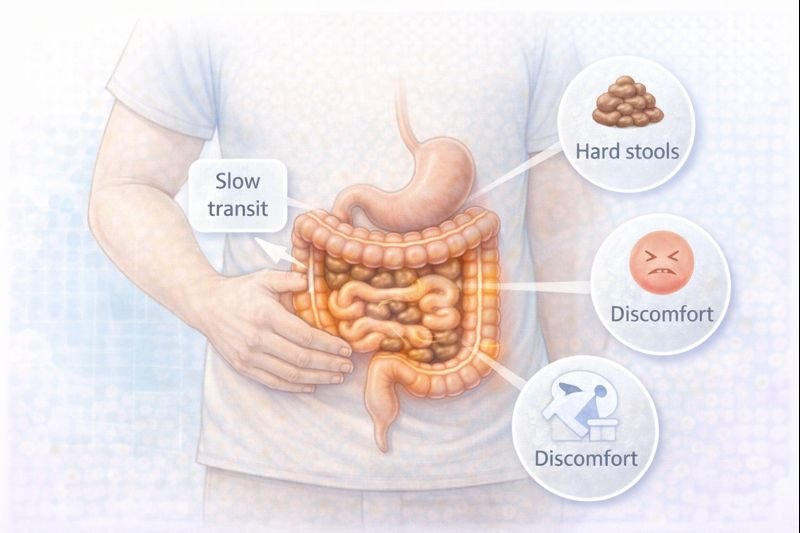
Constipation symptoms in the digestive system

Constipation: Causes, Management & Prevention (Canada-Focused First Aid Education)

Constipation is a common digestive concern that affects Canadians of all ages. It occurs when a person passes stools less frequently than usual or has difficulty fully emptying their bowels. Stools may become hard, dry, small, or unusually large, making bowel movements uncomfortable. Constipation can be temporary, but prolonged symptoms may impact daily functioning, diet,

Constipation: Causes, Management & Prevention (Canada-Focused First Aid Education) Read More »

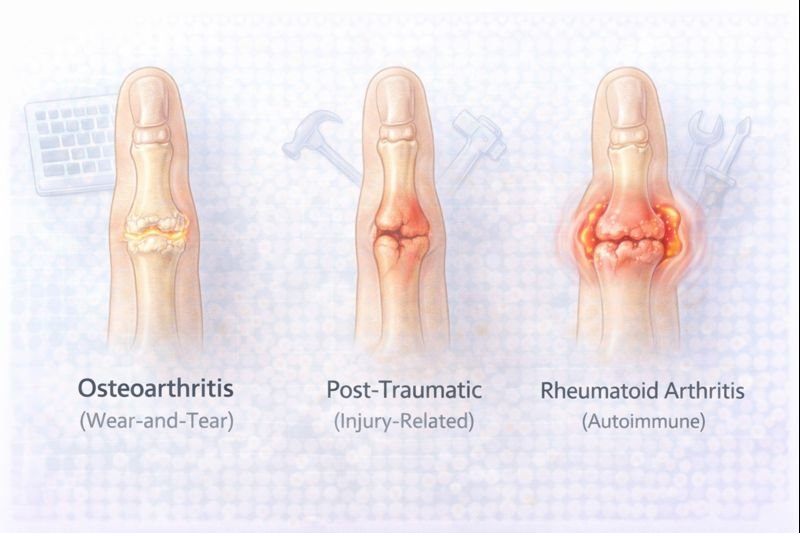
Causes of finger arthritis explained

Finger Arthritis and Everyday Function

Finger arthritis can make simple movements—typing, opening jars, using tools, or writing—uncomfortable and limiting. The condition involves inflammation inside the finger joints, leading to pain, swelling, stiffness, and reduced mobility. These symptoms can affect daily living at home and at work, and may slow down recovery if not managed early. Learning disclaimer: This information is

Finger Arthritis and Everyday Function Read More »

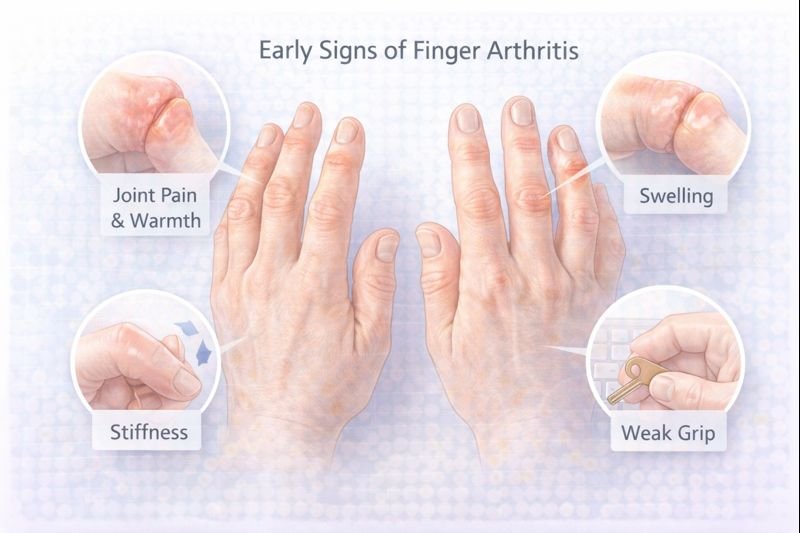
Early signs of finger arthritis

Finger Arthritis (Early Signs & How It Affects Daily Activities)

Finger arthritis can significantly affect day-to-day function at home, at work, and in recreational activities. For many Canadians, early symptoms start subtly — making simple tasks like typing, gripping small objects, or opening jars more difficult over time. There are two main types of arthritis that commonly affect the fingers: Osteoarthritis (OA): Due to gradual

Finger Arthritis (Early Signs & How It Affects Daily Activities) Read More »

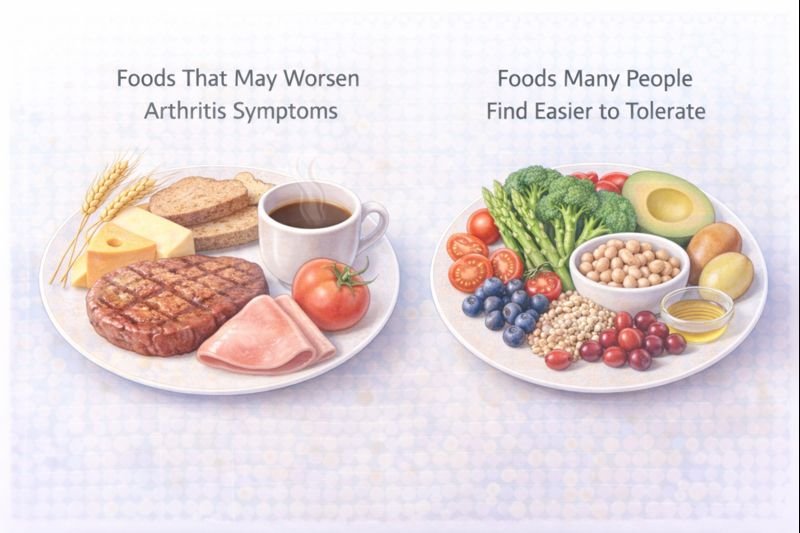
Comparing foods for arthritis relief

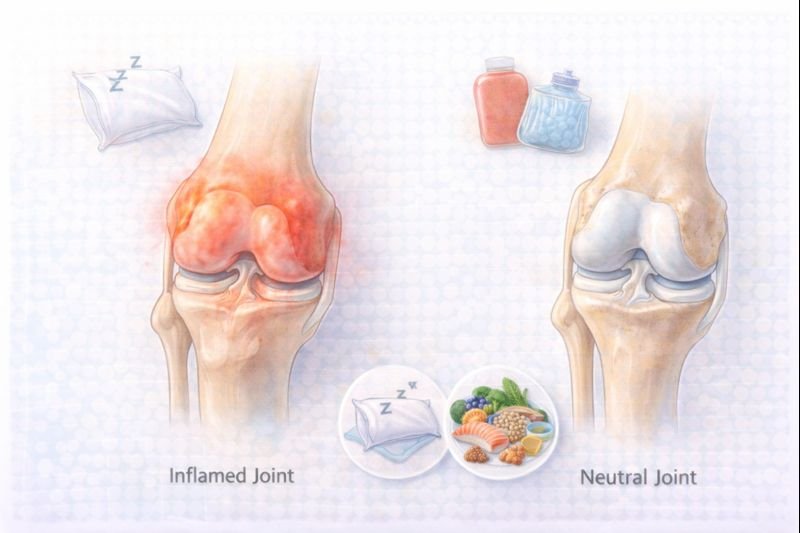
Diet & Arthritis: How Foods May Influence Joint Symptoms (Canadian Overview)

Arthritis is one of the most common chronic conditions affecting adults in Canada. Symptoms such as joint pain, swelling, stiffness, and fatigue can interfere with mobility, work tasks, recreation, and everyday activities. Although arthritis cannot be cured through diet alone, evidence suggests that certain foods may contribute to flare-ups for some individuals while others may

Diet & Arthritis: How Foods May Influence Joint Symptoms (Canadian Overview) Read More »

Avulsion fracture and management steps

Avulsion Fractures: What They Are and How They’re Managed (Canada-Focused Educational Overview)

An avulsion fracture occurs when a tendon or ligament pulls away from a bone with enough force to remove a small piece of bone with it. These injuries are more common during rapid, forceful movement (such as in sports), and they can also occur during workplace activities or falls. Among children and teens, avulsion fractures

Avulsion Fractures: What They Are and How They’re Managed (Canada-Focused Educational Overview) Read More »

Greenstick fracture and first aid steps

Greenstick Fractures in Children: Causes, Symptoms & First Aid Guidance (Canada)

Greenstick fractures are a partial break in a bone, and are seen almost exclusively in children. Because children have softer, more flexible bones than adults, their bones are more likely to bend or splinter instead of fully breaking. This is comparable to bending a fresh tree branch — it cracks, but does not snap entirely.

Greenstick Fractures in Children: Causes, Symptoms & First Aid Guidance (Canada) Read More »

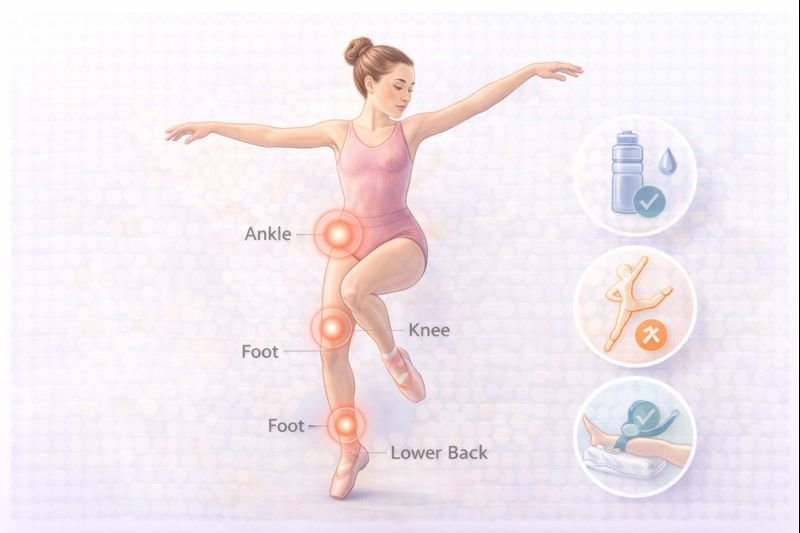
Dance injury prevention in action

Dance Injuries: Recognizing Risks, Prevention, and Early Management

Dance may not always be viewed as a sport, but the physical demands on the body are significant. Dancers—especially those who begin training at a young age—perform repetitive movements that require strength, flexibility, balance, endurance, and coordination. Like martial arts, gymnastics, or figure skating, dance carries a real risk of overuse musculoskeletal injuries. Educational Note:

Dance Injuries: Recognizing Risks, Prevention, and Early Management Read More »

Shopping Cart
Scroll to Top