Hiccups: Causes, Risk Factors, and When to Seek Medical Care

Hiccups: Causes, Risk Factors, and When to Seek Medical Care Hiccups are repetitive, involuntary contractions of the diaphragm muscle. The diaphragm sits beneath the lungs and plays a crucial role in breathing by helping the lungs expand and contract. When the diaphragm suddenly contracts outside of its normal rhythm, the vocal cords close abruptly. This […]

Hiccups: Causes, Risk Factors, and When to Seek Medical Care Read More »
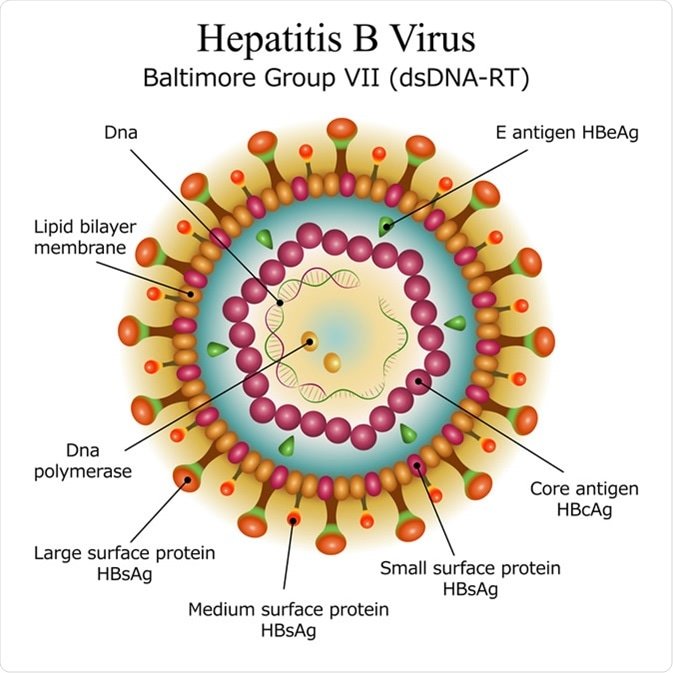
Hepatitis B: Causes, Symptoms, Transmission, and Prevention

Hepatitis B: Causes, Symptoms, Transmission, and Prevention Hepatitis B is a viral infection that causes inflammation of the liver. It is caused by the hepatitis B virus (HBV) and can occur as either an acute or chronic infection. Acute hepatitis B often causes noticeable symptoms in adults and usually develops shortly after exposure. In contrast,

Hepatitis B: Causes, Symptoms, Transmission, and Prevention Read More »

Meniscus Tear: Causes, Symptoms, and First Aid Considerations

Meniscus Tear: Causes, Symptoms, and First Aid Considerations A meniscus tear is a common knee injury, particularly among athletes involved in sports that require sudden pivoting, twisting, or direct contact—such as football, basketball, soccer, and tennis. In Canada, meniscus injuries are frequently seen in sports, recreation, and workplace settings that involve physical exertion. The meniscus

Meniscus Tear: Causes, Symptoms, and First Aid Considerations Read More »

Malaise: Causes, Symptoms, and When to Seek Medical Care

Malaise: Causes, Symptoms, and When to Seek Medical Care Malaise is a medical term used to describe a general feeling of discomfort, weakness, or not feeling well, often without a clearly identifiable cause. People experiencing malaise may feel as though they are “coming down with something,” yet rest does not restore their sense of well-being.

Malaise: Causes, Symptoms, and When to Seek Medical Care Read More »
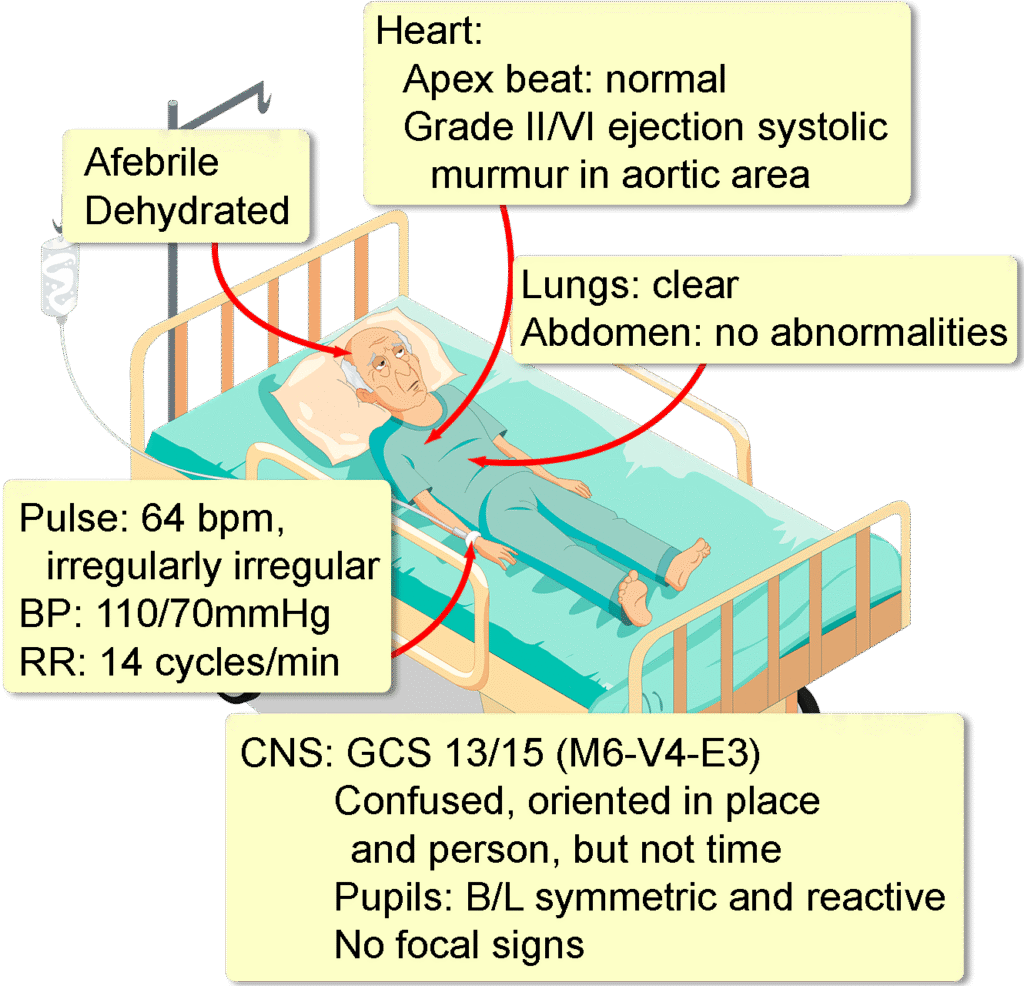
Digitalis Toxicity: Causes, Symptoms, and Emergency Management

Digitalis Toxicity: Causes, Symptoms, and Emergency Management Digitalis toxicity occurs when excessive amounts of digitalis (digoxin) accumulate in the body. Digoxin is a medication commonly prescribed to manage certain heart conditions, including irregular heart rhythms and heart failure. While effective when used correctly, digoxin has a narrow therapeutic range, meaning that even small dosing errors

Digitalis Toxicity: Causes, Symptoms, and Emergency Management Read More »

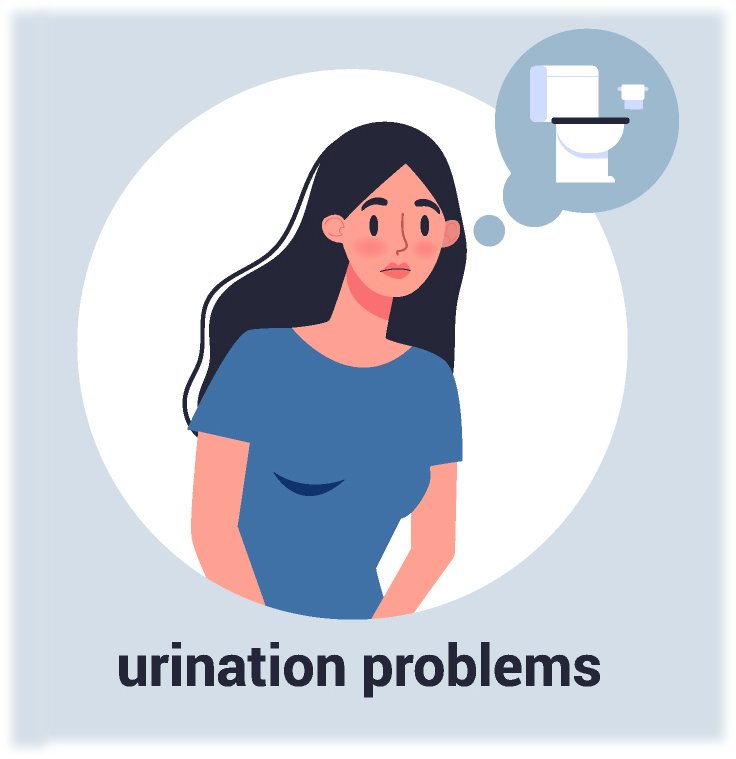
Diabetes Insipidus: Causes, Symptoms, and Management

Diabetes Insipidus: Causes, Symptoms, and Management Diabetes insipidus is an uncommon condition that develops when the kidneys are unable to conserve water properly. This results in excessive thirst and the production of large volumes of diluted urine. Despite sharing the name “diabetes,” this condition is not related to diabetes mellitus (blood sugar disorders). In Canada,

Diabetes Insipidus: Causes, Symptoms, and Management Read More »

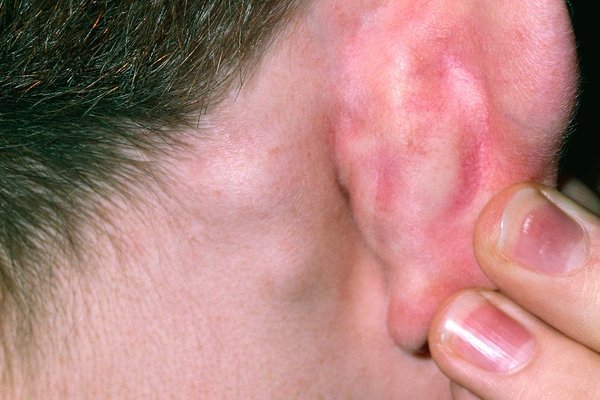
German Measles (Rubella): Symptoms, Causes, and Prevention

German Measles (Rubella): Symptoms, Causes, and Prevention   German measles, also known as rubella, is a viral infection recognized by a distinctive reddish or pink rash, mild fever, and swollen lymph nodes. The virus spreads easily through respiratory droplets from coughing or sneezing, as well as through shared food or beverages. In Canada and other

German Measles (Rubella): Symptoms, Causes, and Prevention Read More »

Acetaminophen Overdose: What Canadians Should Know

Acetaminophen Overdose: What Canadians Should Know   Acetaminophen (also known as paracetamol) is a widely used pain and fever medication found in many over-the-counter and prescription products, including Tylenol®. Because it is so common—and included in many combination cold and flu remedies—taking too much can happen more easily than people realize. This article is designed

Acetaminophen Overdose: What Canadians Should Know Read More »

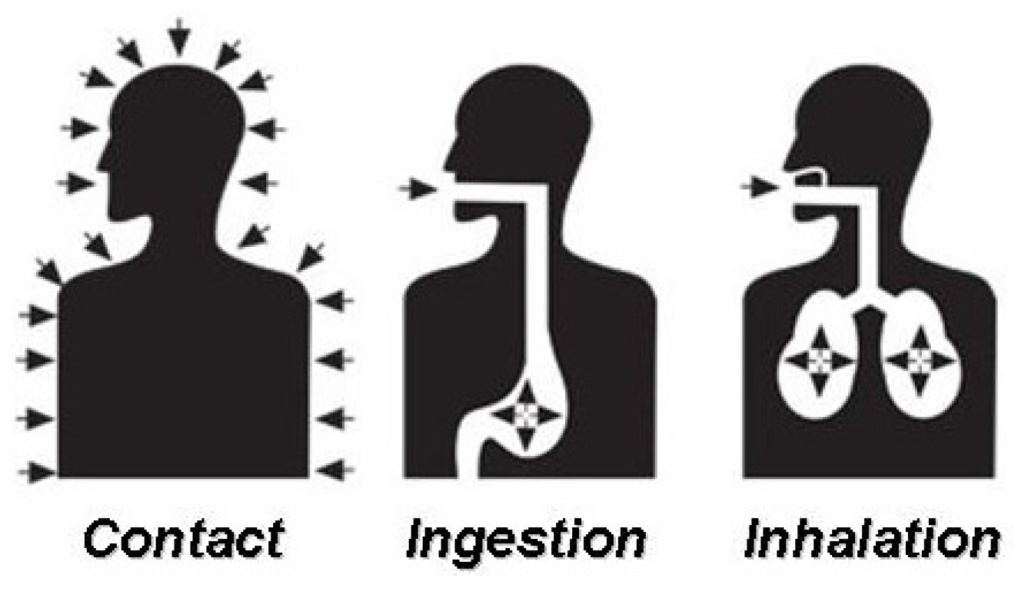
Accidental Soap Poisoning: Risks, Symptoms, and What to Do

Accidental Soap Poisoning: Risks, Symptoms, and What to Do Accidental soap poisoning can occur when household cleaning products or personal care soaps containing strong chemicals are swallowed, inhaled, or come into contact with the eyes or skin. While many people think of soap as harmless, certain products—especially concentrated or commercial-grade cleaners—can cause serious injury when

Accidental Soap Poisoning: Risks, Symptoms, and What to Do Read More »

Shopping Cart
Scroll to Top